Saint Gertrude (Old church)
Rue de la Vieille Eglise
6970 Tenneville
Church | XI | Romanesque | Catholic Church

Map
Opening hours
Pernanently open.
Description
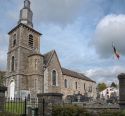
Dedicated to Saint Gertrude, this former chapel, located in the heart of old Tenneville, was one of the most distant possessions from Nivelles Abbey around 1059. Dependent on the parish church of Cens, it was only erected as a parish in 1586 following the Council of Trent.
Parish history did not develop until the end of the 16th century, when the forges of Le Noir Bras, Prelle and Sainte-Ode were established.
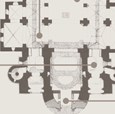
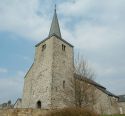
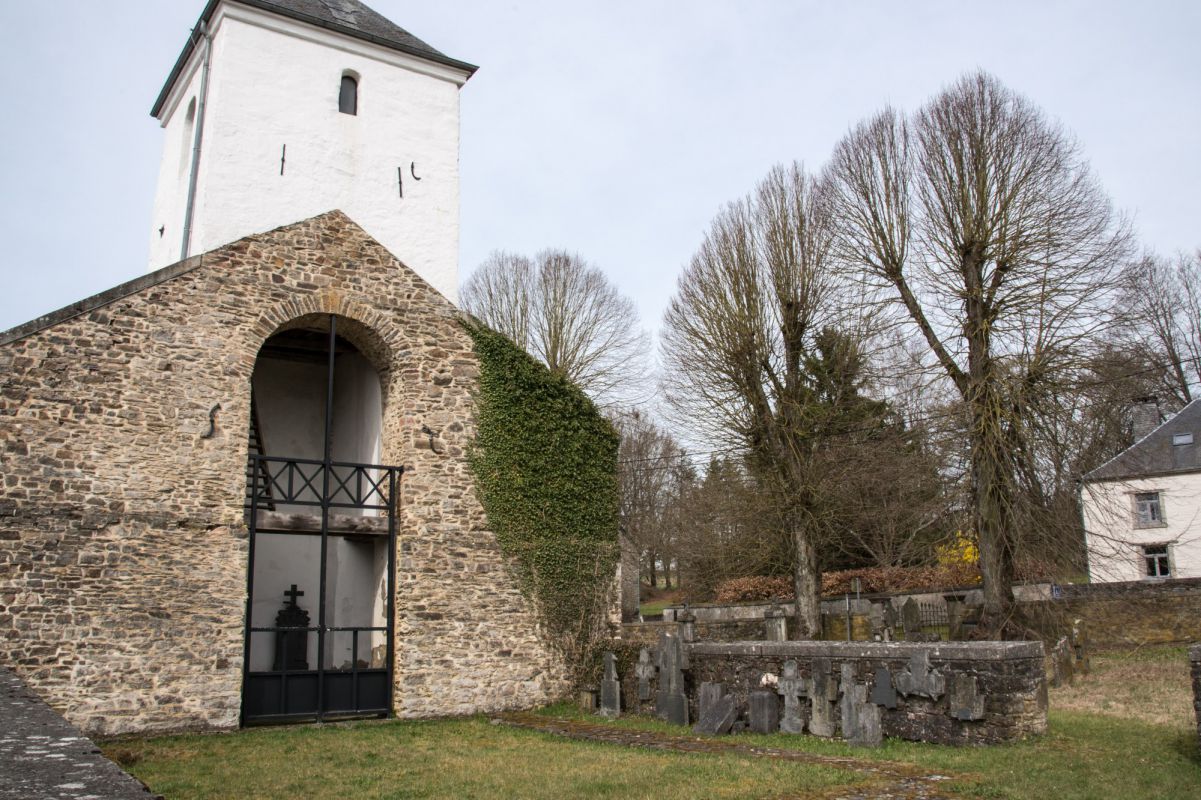
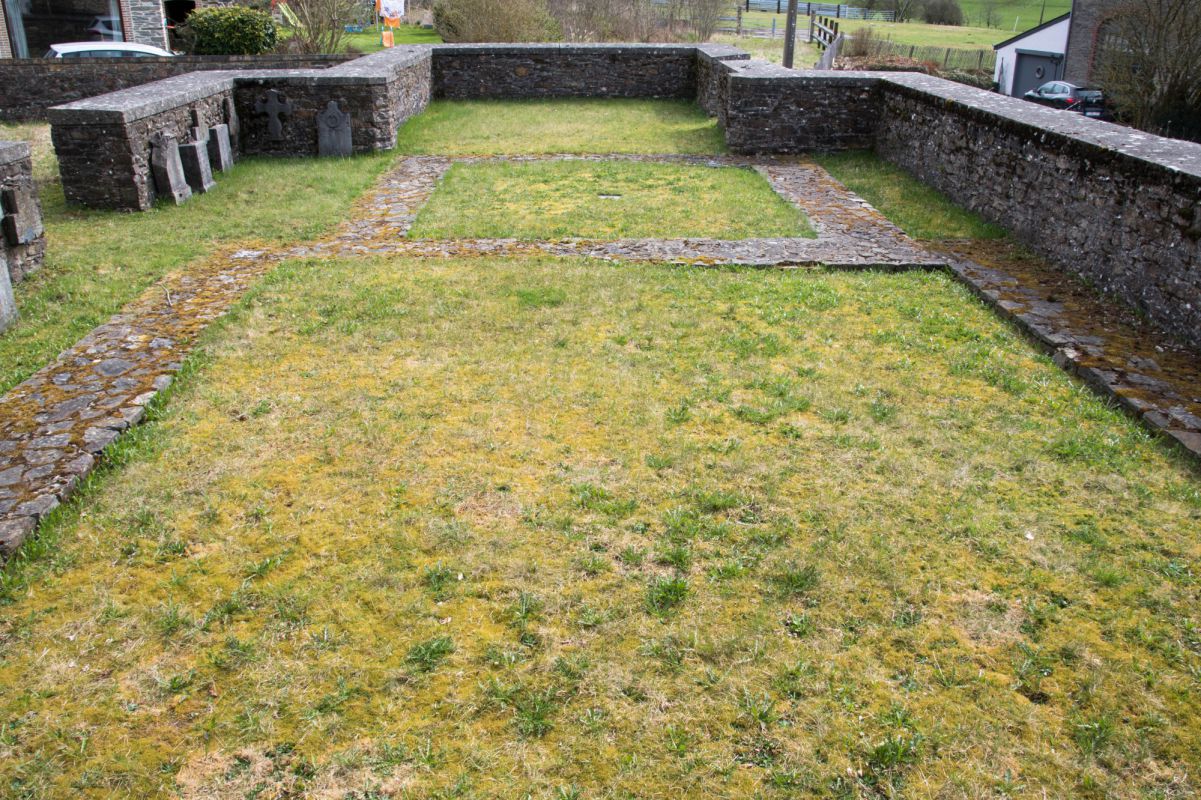
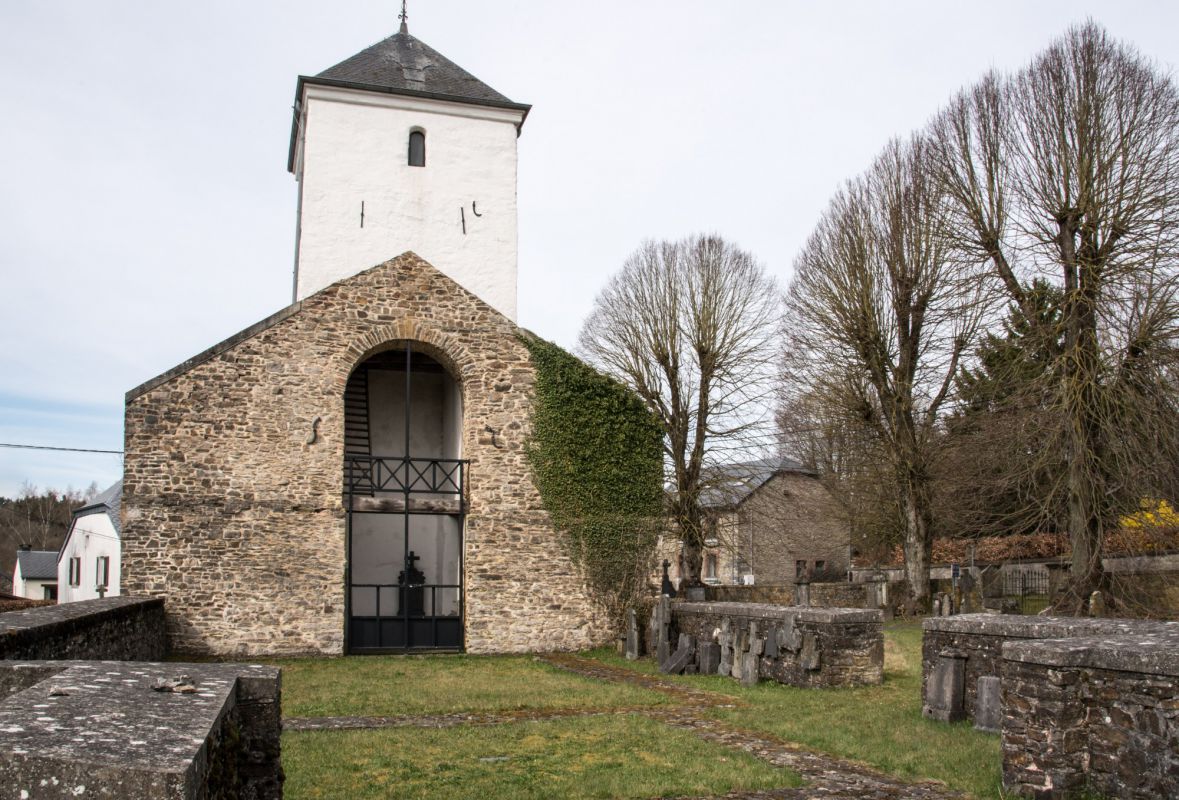
Following excavations carried out in 1957-1958, the remains of an ancient necropolis dating from the 8th to the 10th century were discovered there. Archaeological examination also revealed a succession of three buildings over the centuries. Nowadays, all that remains is the tower of the bell tower stretching up to the sky in the enclosure of the old cemetery where centuries-old tombstones still stand.

Photos

Media
Remarkable elements

History of the church
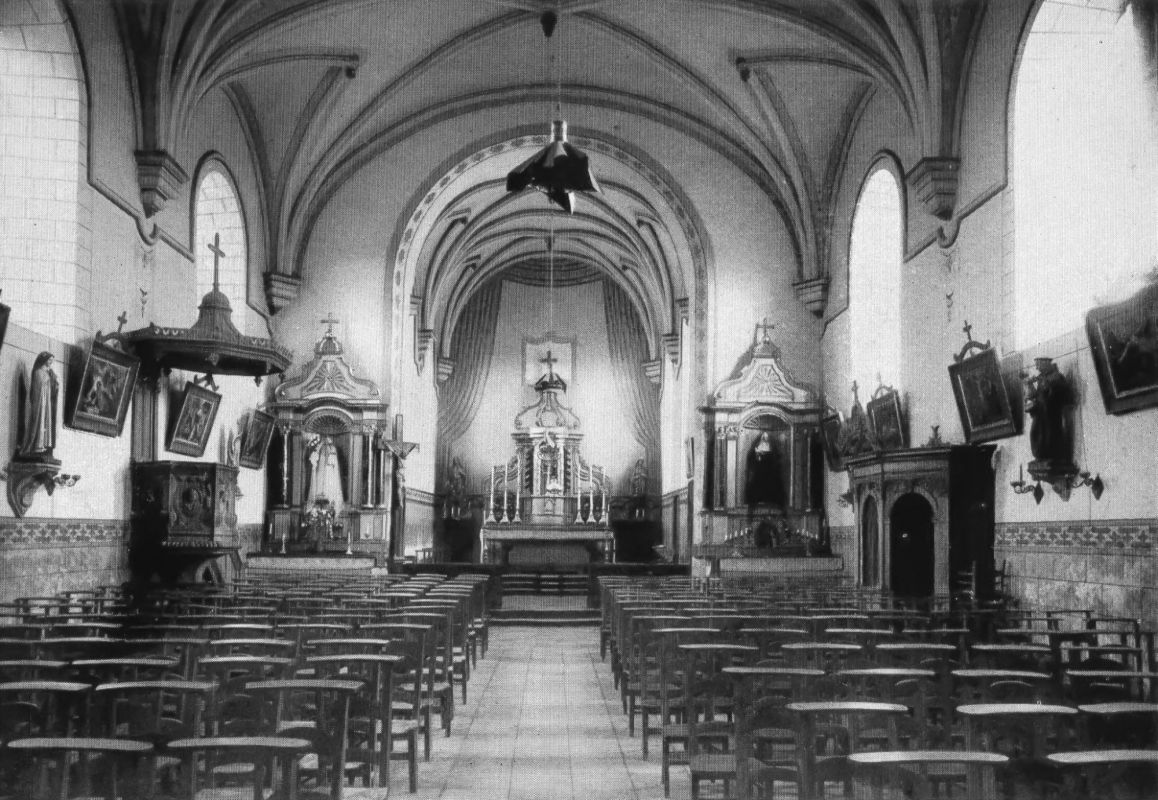
The building was deconsecrated in June 1957 for the new Tenneville church and underwent two successful excavations in late 1957 and early 1958, revealing over a thousand years of local history. The town council, supported by "The Friends of the Old Church of St. Gertrude," protected the heritage, especially the 1682 tower. The site was classified in 1985, followed by demolition of the core, nave, and sacristy in 1986, tower restoration in 1989, and maintenance in 2012.
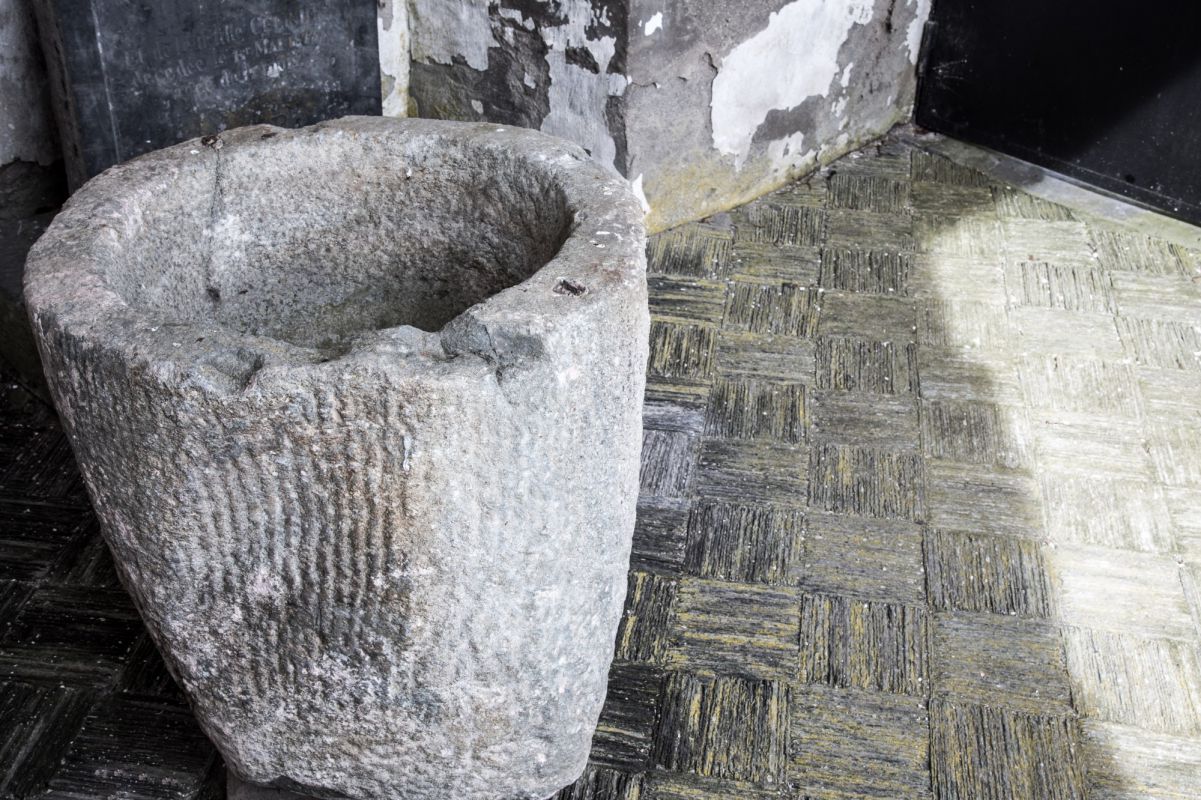
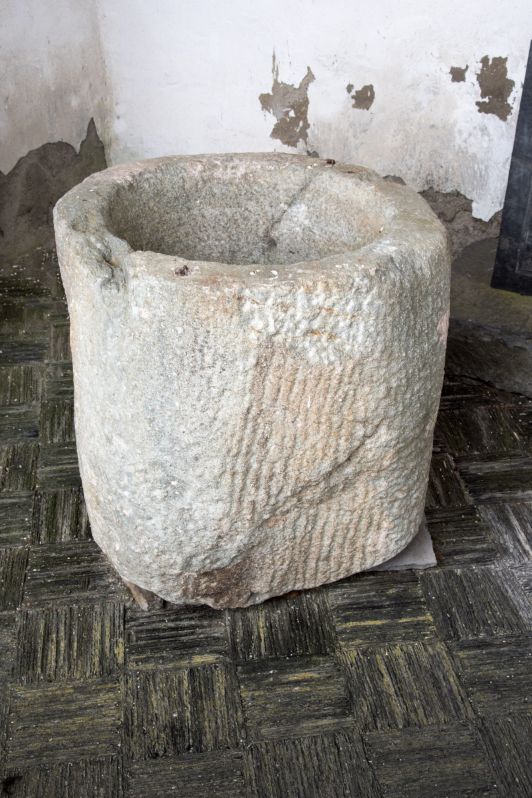
Baptismal fonts (Xth century)
The rock of these baptismal fonts is arkose, a metamorphic stone from sandstone formed in the Lower Devonian, used to grind grain between the 1st and 6th centuries. The fonts date from the primitive chapel. At the end of the 12th century, one third of children died before age five, at least 10 % within a month. Unbaptized children were said to go to limbo, a place outside paradise, which remained in the catechism until 1992.
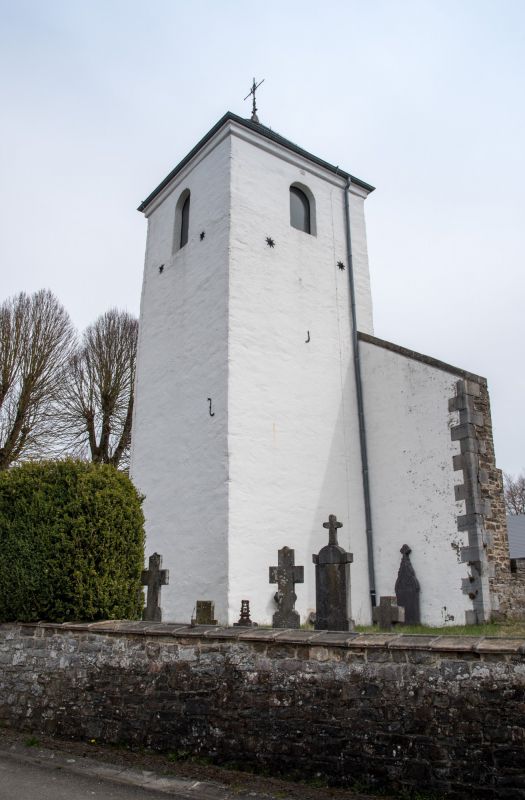
Tower (1682)
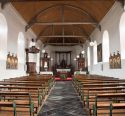
The mention of Tenneville in 1059 as a distant possession of Nivelles Abbey shows a community and likely an oratory existed before then. After the original chapel burned around 1680, a new, slightly larger church with a tower was built in 1682. Later threatened with ruin, a third church was constructed between 1851 and 1855, keeping the tower. Renovated and reinforced in 1866, the church retained the appearance it still had in 1957.
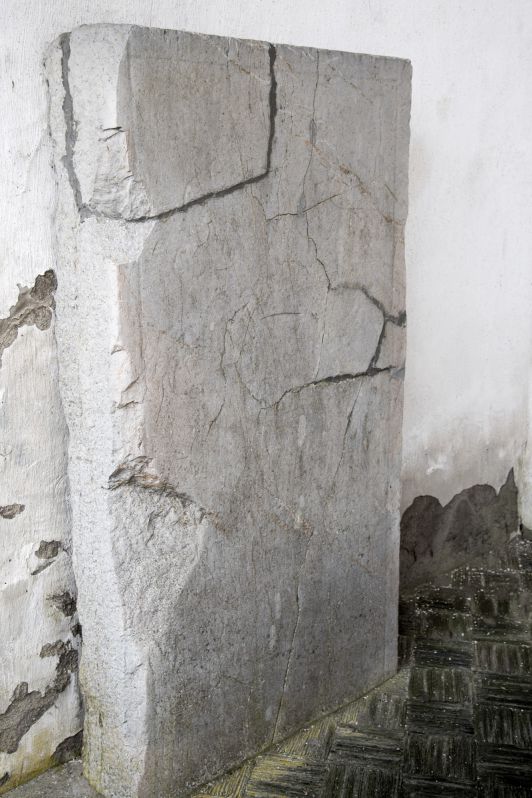
Tombstone of Lord Trimleston (1670-1692)
In the tower stands the headstone of elite Irish officer Matthias Barnewall, 10th Lord Trimleston, who fell on 10 September 1692 during the Battle of Ortheuville, in the Augsburg League War (1688–1697). Serving France under Marshal d’Harcourt, he was lieutenant of the King James II Troops of Irish Horse Guards. At 22, he was killed in the first cavalry charge, his duty immortalized in the epic of the “Wild Geese” (> further information).
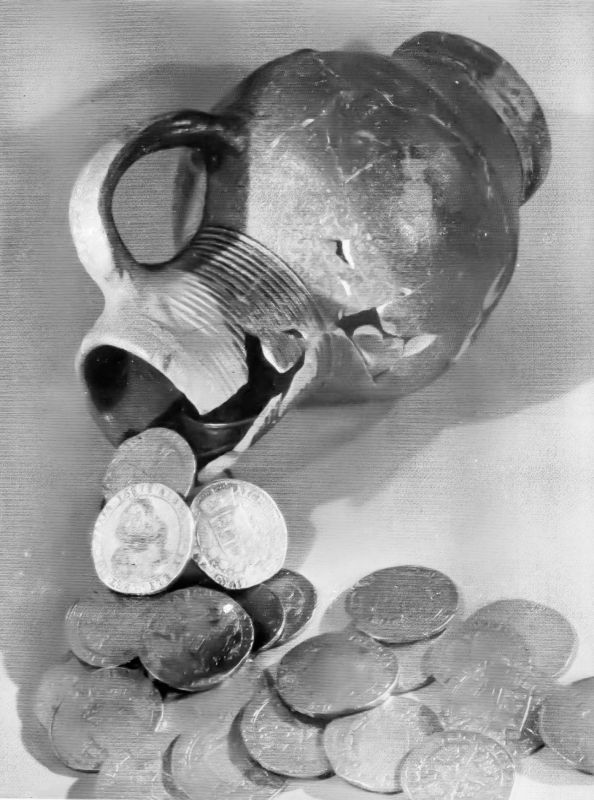
Treasure house (17th century)
At the end of 1957 Odon Lambion (1934–2018) worked in a ditch 87 cm deep, 2.6 m from the choir, when his pickaxe struck a terracotta jar upright in the ground. It broke, spilling gold and silver coins from the 16th–17th centuries from Monaco, Turkey, Ottomania, Carinthia, Camps (Italy), and Colombia. Research showed the treasure was buried around 1675. Sadly, it was stolen in 1998 from a safe that had been forced open.

Bell furnace
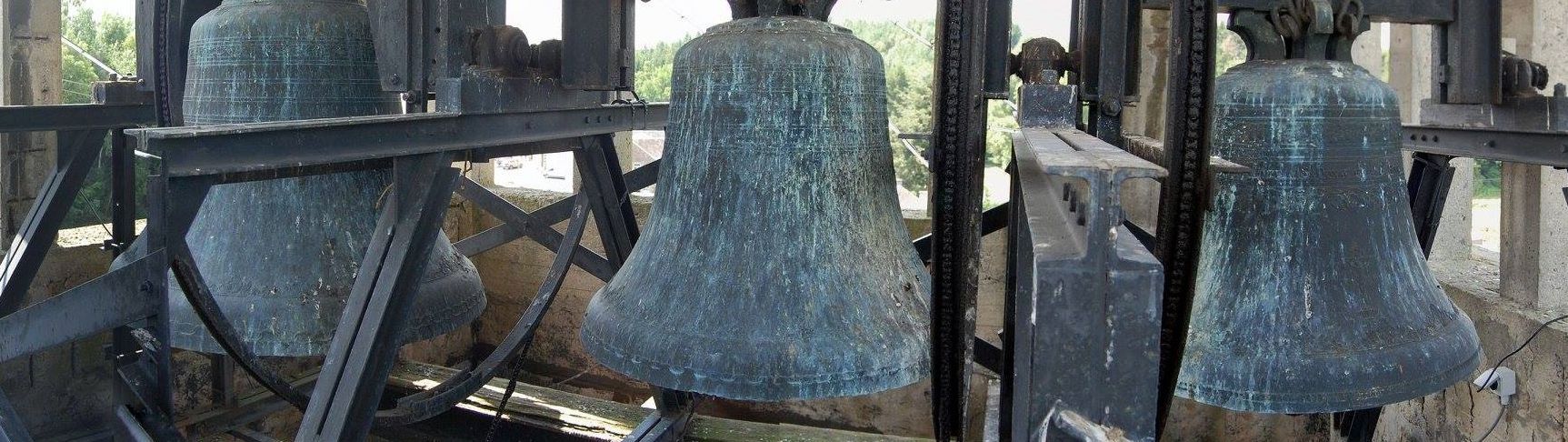
In a trench at the foot of the tower, in the nave, excavations at 1.9 m depth revealed a 43 cm wide canal with a bottom of fire-reddened clay, bordered by two small burnt rubble walls. Slightly further north, at 1.59 m, the mold was found. The bronze bell cast here had a 59 cm inside diameter. The furnace was placed for easy installation. The bell was hoisted into the tower at construction and likely remelted in 1866 during renovation.