Saint Barbara
Rue Arthur Trigaux 175
7170 Fayt-lez-Manage (Manage)
Church | 1907 | Neogothic | Catholic Church


Map
Opening hours
01 January - 31 December
Mon 9.00 - 19.00
Tue 9.00 - 19.00
Wed 9.00 - 19.00
Thu 9.00 - 19.00
Fri 9.00 - 19.00
Sat 9.00 - 19.00
Sun 9.00 - 19.00
Religious offices
Saturday 6 pm
Description
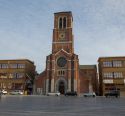
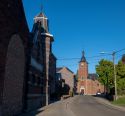
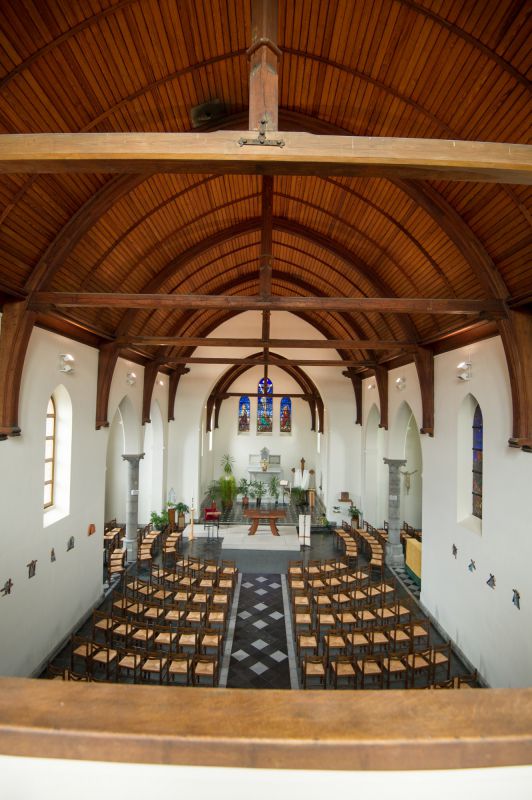
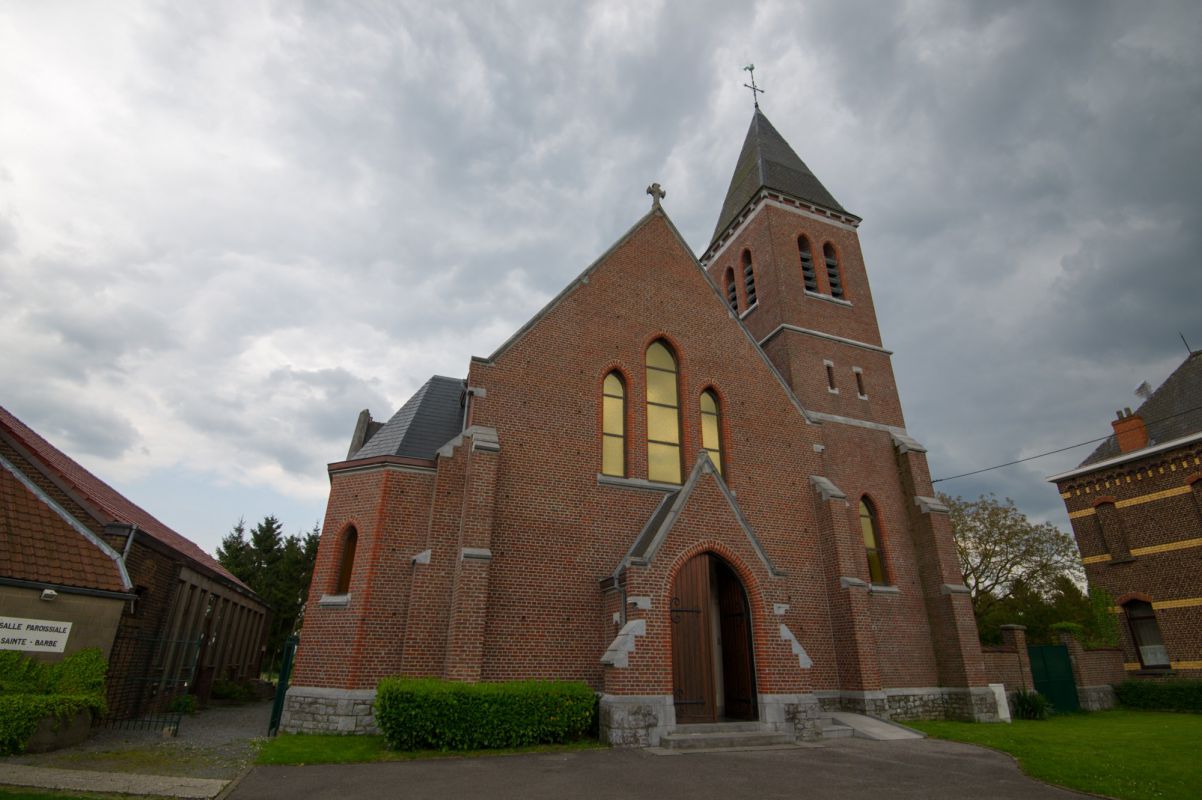
This Neo-Gothic church was built in 1907 at the time when the inhabitants worked mainly in the collieries and the steel industry. Thus it is not surprising that the parish is dedicated to Saint Barbara, the patron of miners and metal workers. Her statue is well placed and highly visible on the left of the church.
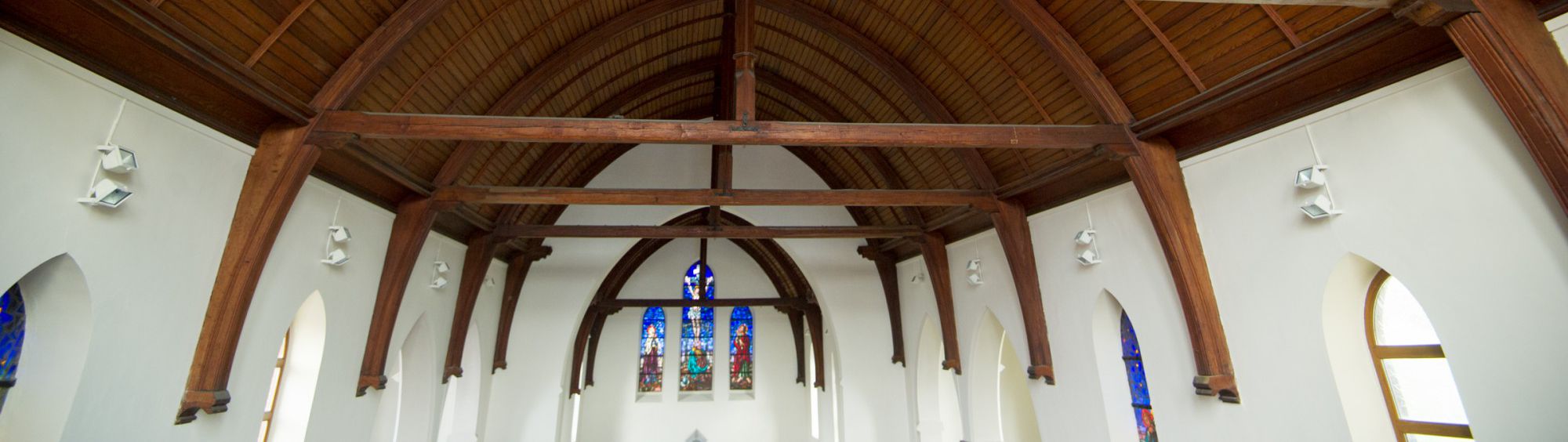
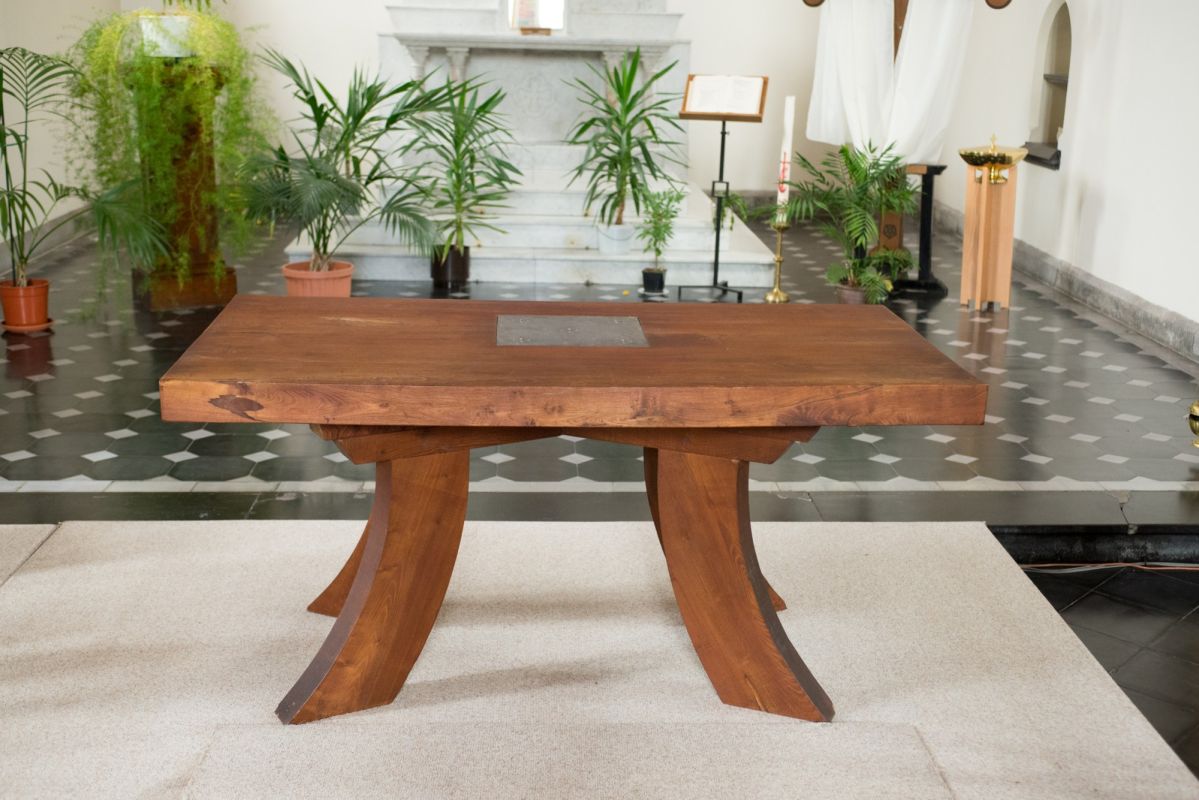
The beautiful and imposing altar, which according to research by the Abbot Jacques Arcq, curate from 1964 to 1968, has the same dimensions as the altar in the temple of Jerusalem, is in massive olive wood. Looking upwards one sees the vaults as inverted hulls, panelled in varnished chestnut, which provides a sober aspect and a fine resonance.
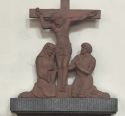
There is also a varnished polychrome ceramic Way of the Cross of which some stations were created by the ceramic workshop of the monastery Jean de Quévy-le-Grand.
KIKIRPA : Photo-library online
Photos

Remarkable elements

The inverted carina vaults in the nave, transepts and choir
Panelled, in varnished chestnut wood, they offer a sober aspect and a remarkable sound to the church. They cover the entire space between the southern gable and the chevet of the choir. Properly oriented lighting highlights this quite original part of this place of worship. We can still see the location of the passage of the cast iron column stove nozzle, which was the building's former means of heating.
Altar
This altar with four arched feet was installed at the initiative of Father Jacques Arcq, the last resident priest (1964–1968). A popular and athletic giant, nearly 2 m tall, who often traveled to the Holy Land, he wished to enhance the altar’s prestige. Designed for celebration facing the people, as requested by the mid-1960s liturgical reform, he based its dimensions on his research of the Temple in Jerusalem.
Stained glass windows
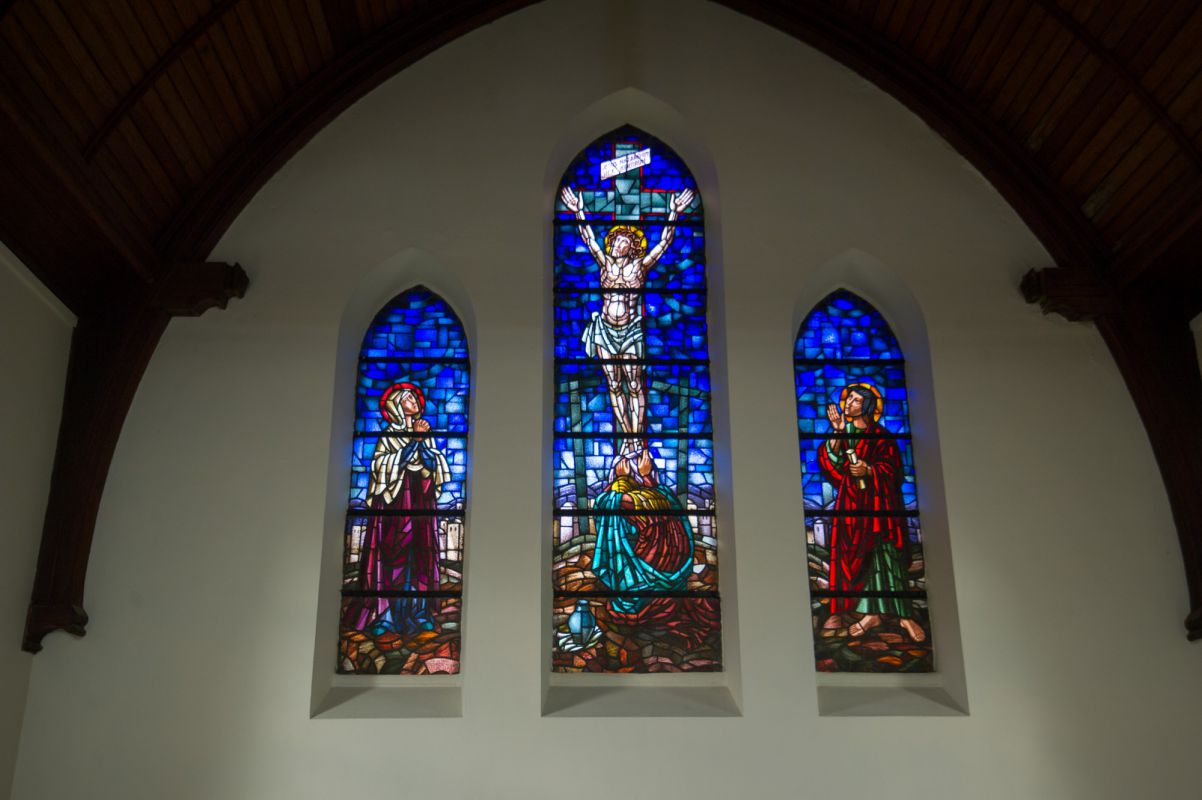
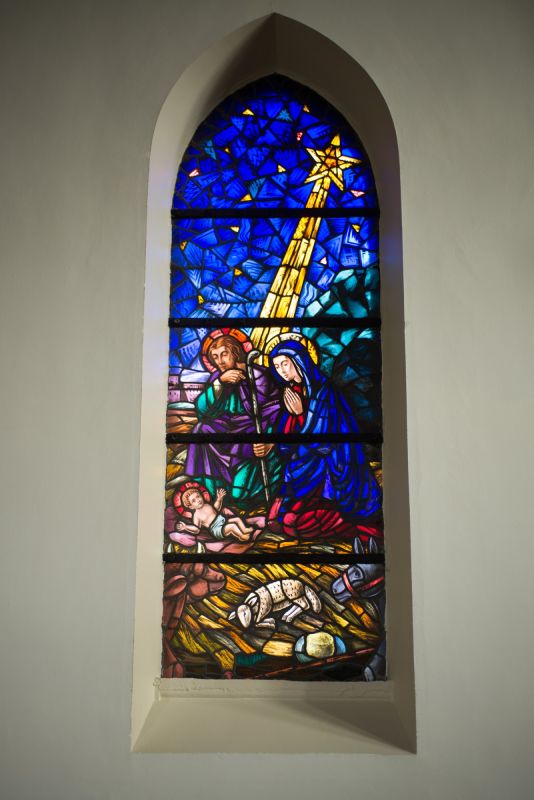
The group of three stained glass windows above the flat chevet of the choir represents the scene of the crucifixion: in the centre, Christ, with Mary Magdalene at the foot of the cross, on the left the Virgin Mary and on the right, Saint John. In the central nave, on the east wall is the Nativity stained glass window and opposite it is the Easter stained glass window. Their authors are not known. Two of these stained glass windows were donated by families from the village

The Way of the Cross and the crib
A Way of the Cross classically adorns the nave walls. Made of polychrome, varnished ceramic, it was donated in April 1991 by the church wardens of La Louvière to replace the damaged plaster original. Several missing stations were carefully recreated by the Saint-Jean de Quévy-le-Grand monastery ceramics workshop and complemented with a 15th station showing the open tomb. The same workshop also made the remarkable terracotta figures of the crib (1988).
The neo-Gothic confessional
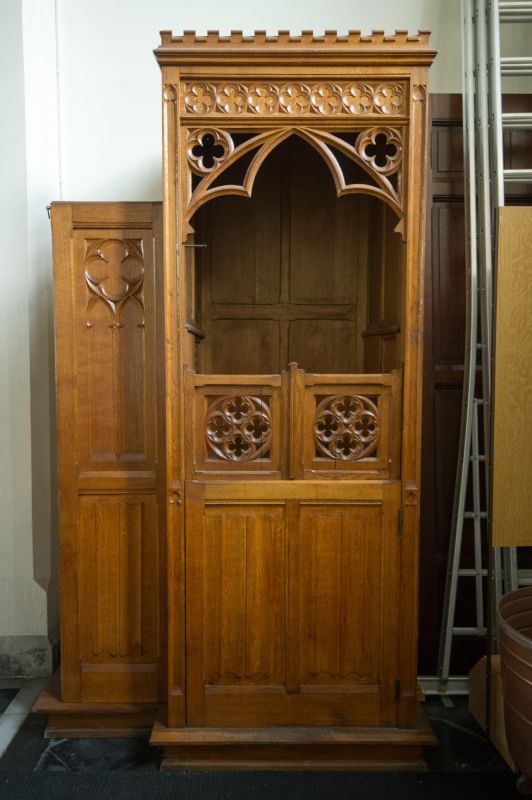
The neo-Gothic confessional dating from the early 20th century is contemporary with the construction of the church. There is only one place left for penitents. Once attached to the south wall, it was recently transferred to the left transept.
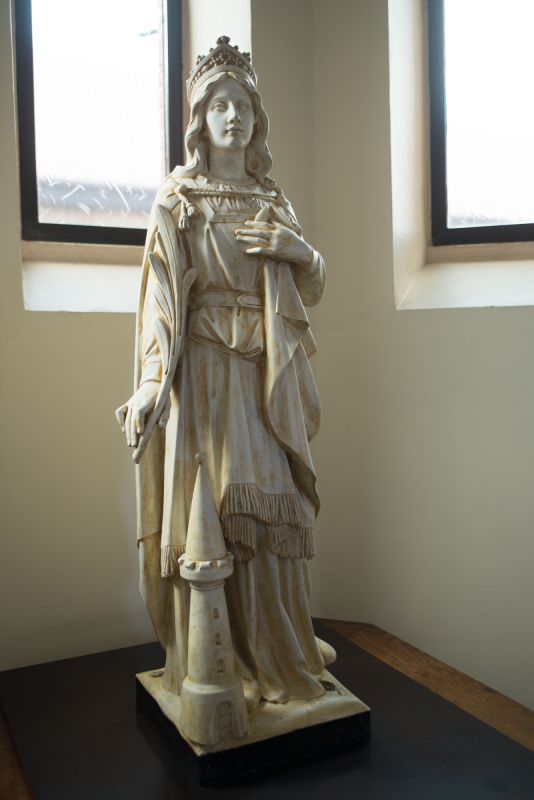
The statue and banner of Saint Barbara
In the 19th century, when the parish was founded, many families in this part of the village lived from coal mining. The statue of the miners’ patron saint is elegant, with the tower at her feet tied to her painful and edifying legend. Its current base comes from the former pulpit, formerly fixed at a right angle to the choir, usefully repurposed. The parish banner, honoring the saint and bearing her image, displays the date 1925.