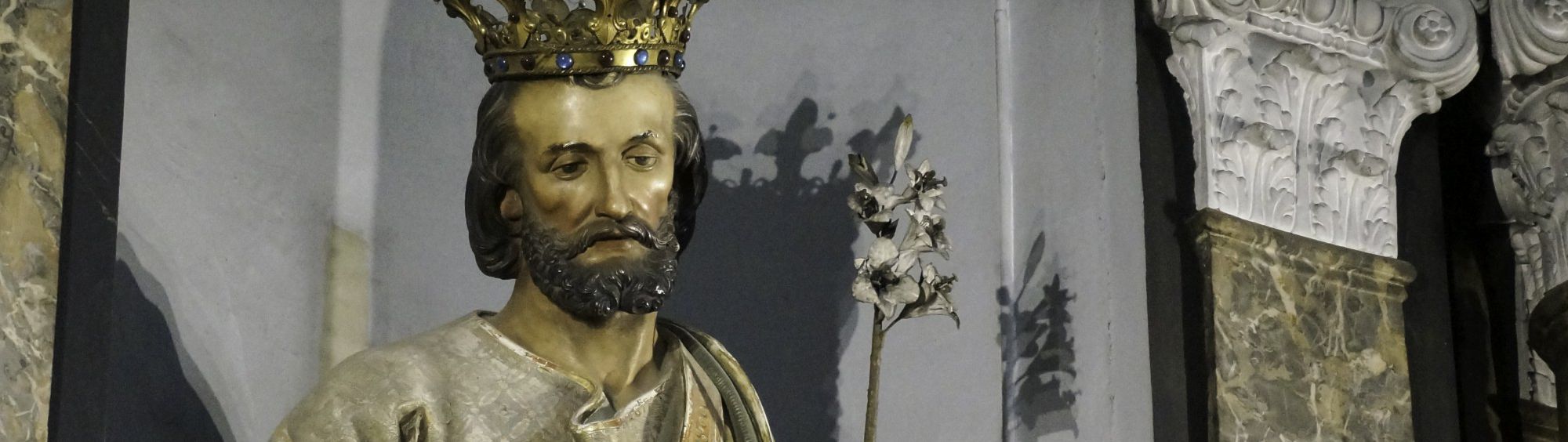
Saint John the Evangelist
Place Xavier Neujean
4000 Liège
Collegiate Church | XI-1754 | Romanesque, Neoclassical | Catholic Church


Map
Opening hours
04 April - 18 April
Mon 14.00 - 17.00
Tue 10.00 - 12.00 • 14.00 - 17.00
Wed 10.00 - 12.00 • 14.00 - 17.00
Thu 10.00 - 12.00 • 14.00 - 17.00
Fri 14.00 - 17.00
Sat 10.00 - 12.00 • 14.00 - 17.00
Sun 14.00 - 17.30
01 June - 30 June
Mon -
Tue -
Wed -
Thu -
Fri -
Sat 14.00 - 17.30
Sun 14.00 - 17.30
01 July - 15 September
Mon 14.00 - 17.30
Tue 14.00 - 17.30
Wed 14.00 - 17.30
Thu 14.00 - 17.30
Fri 14.00 - 17.30
Sat 14.00 - 17.30
Sun 14.00 - 17.30
Guided tour
Free guides all day round
16/09 - 14/06 :
guides by arrangement :
Monsieur Samyn : +32 485 64 20 37
Madame Demez-Dengis : demez-dengis@hotmail.com
Religious offices
from Monday till Friday : 12.15 am
Sunday : 6 pm
Description
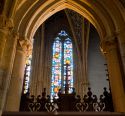
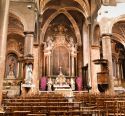
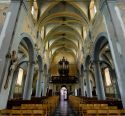
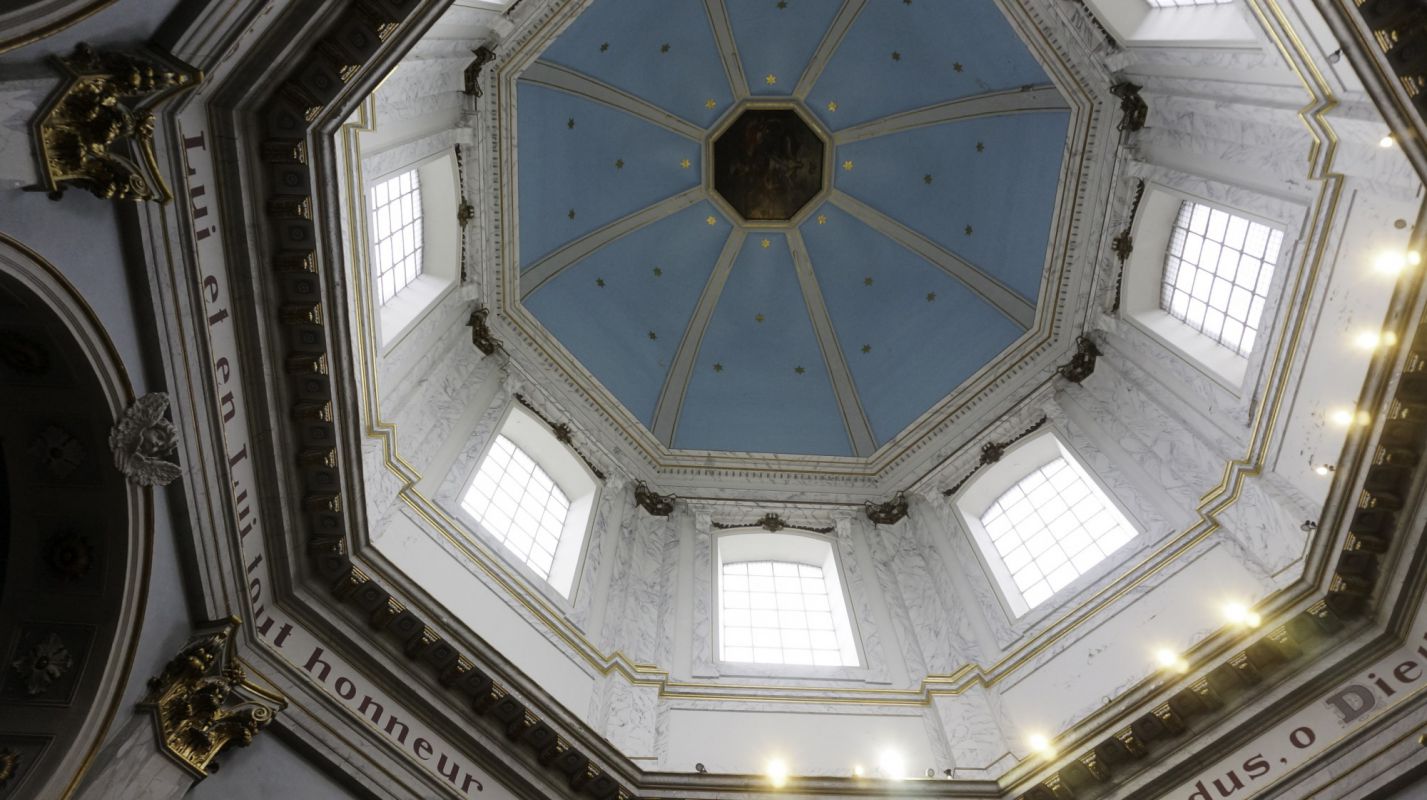
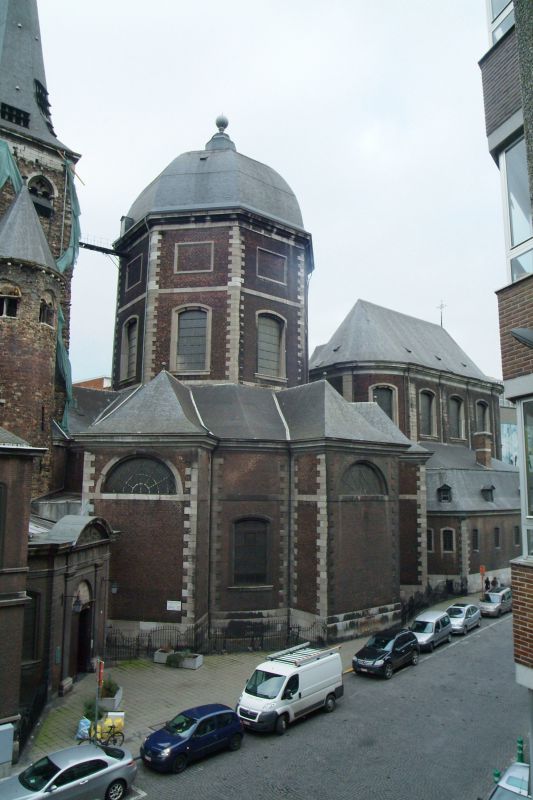
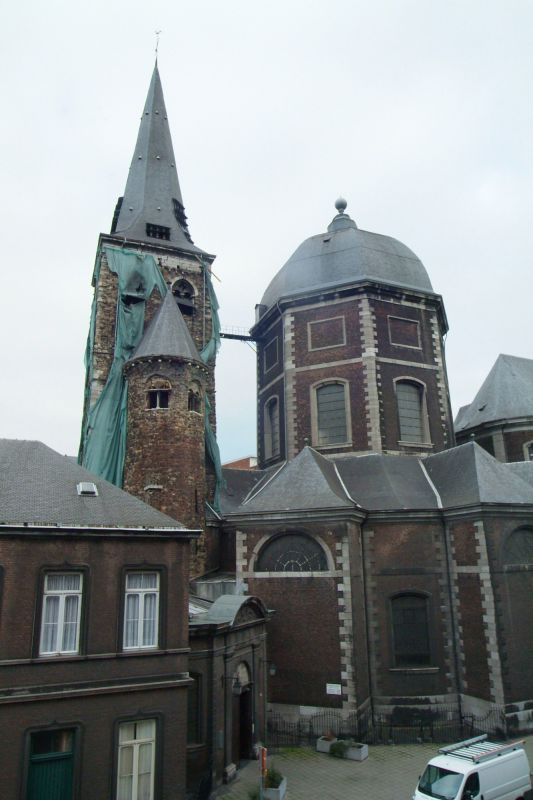
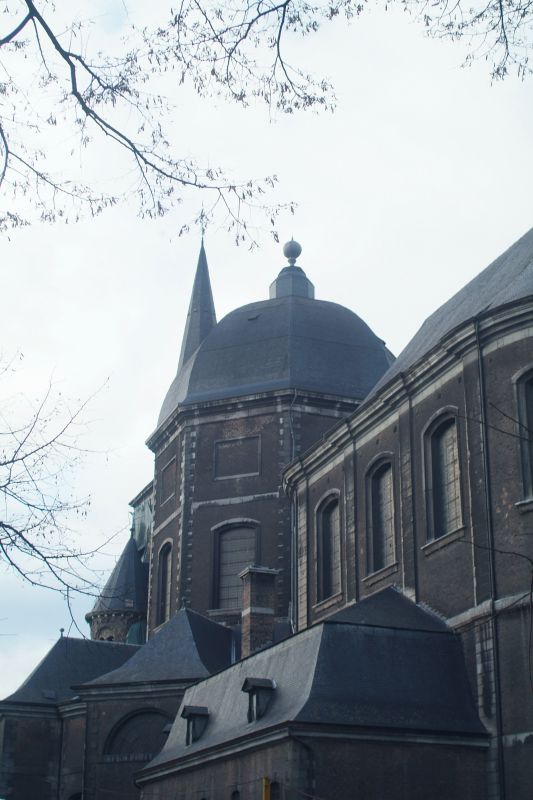
The church of Saint John the Evangelist was founded by bishop Notger around 980 and he is buried here. It was rebuilt between 1750 and 1765 following the original octagonal plan. Llisted as outstanding Wallonia patrimony, it shelters three mediaeval works of art.
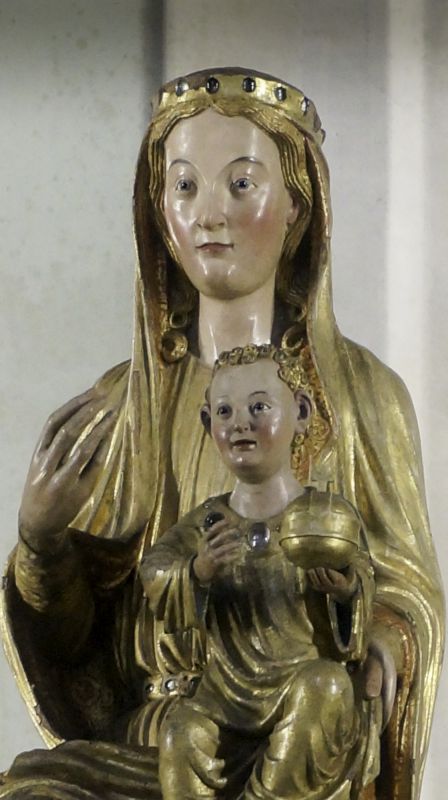
The “Sedes sapientiae” (the seat of the wise) is a statue of the Virgin and Child, dating from 1230, beautifully carved in oak with its original multi-colouring. A fine drape of the cloth. Can be seen in the 3rd chapel on the left.
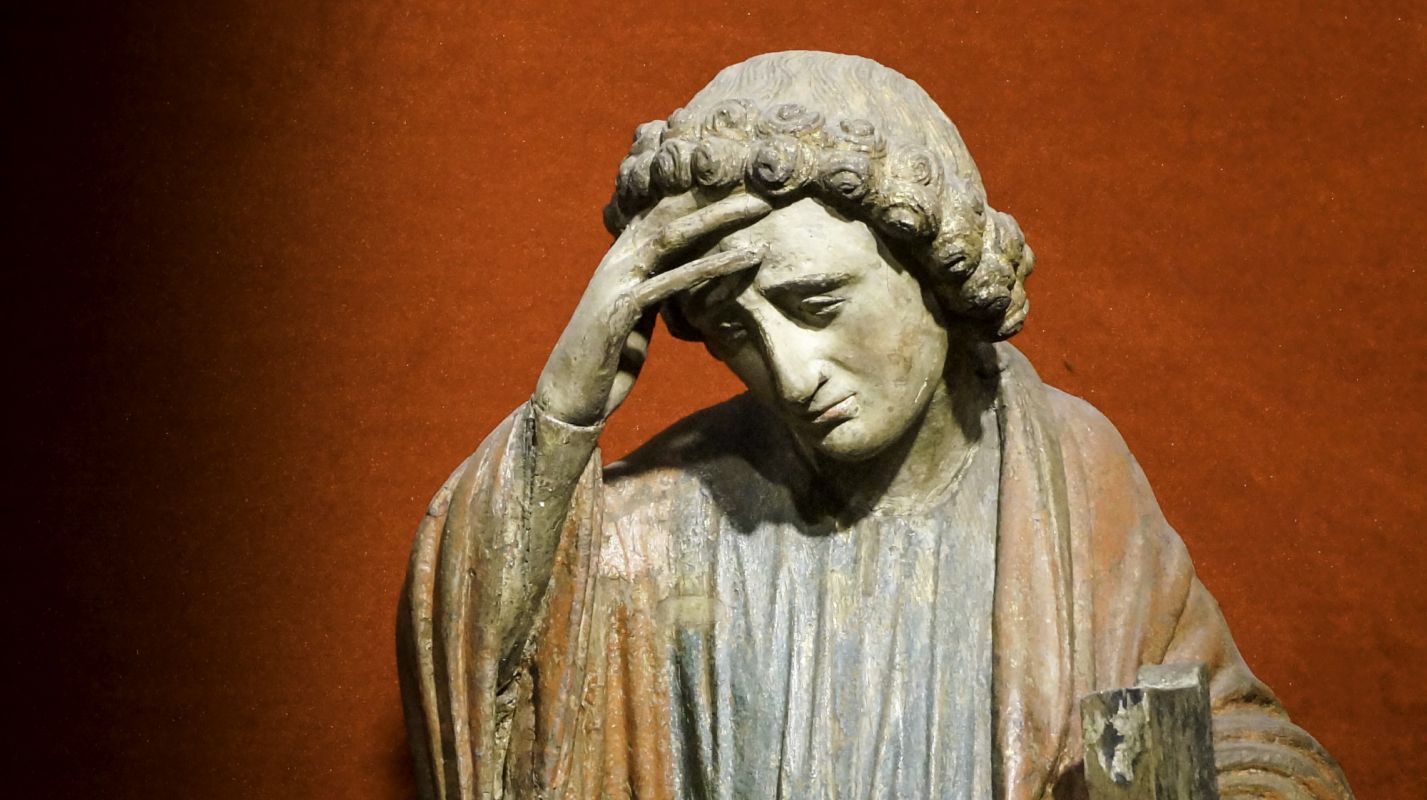
The Virgin and Saint John at Calvary from 1250 in the chapel on the left of the choir are two exceptional statues realistically depicting, with great mastery,the sorrow of the witnesses to the crucifixion.
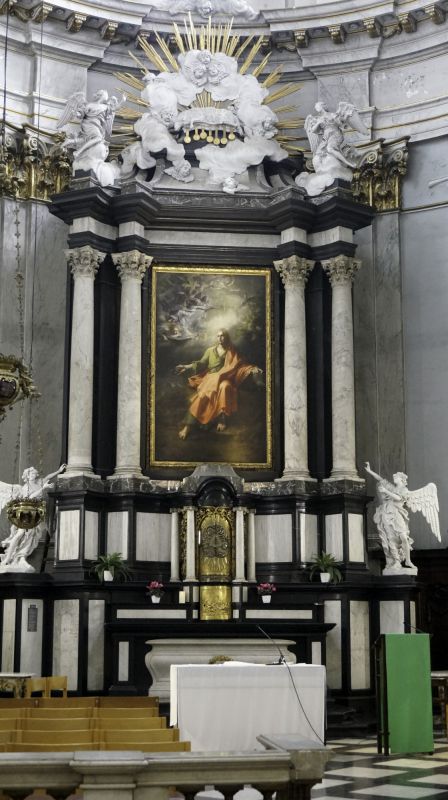
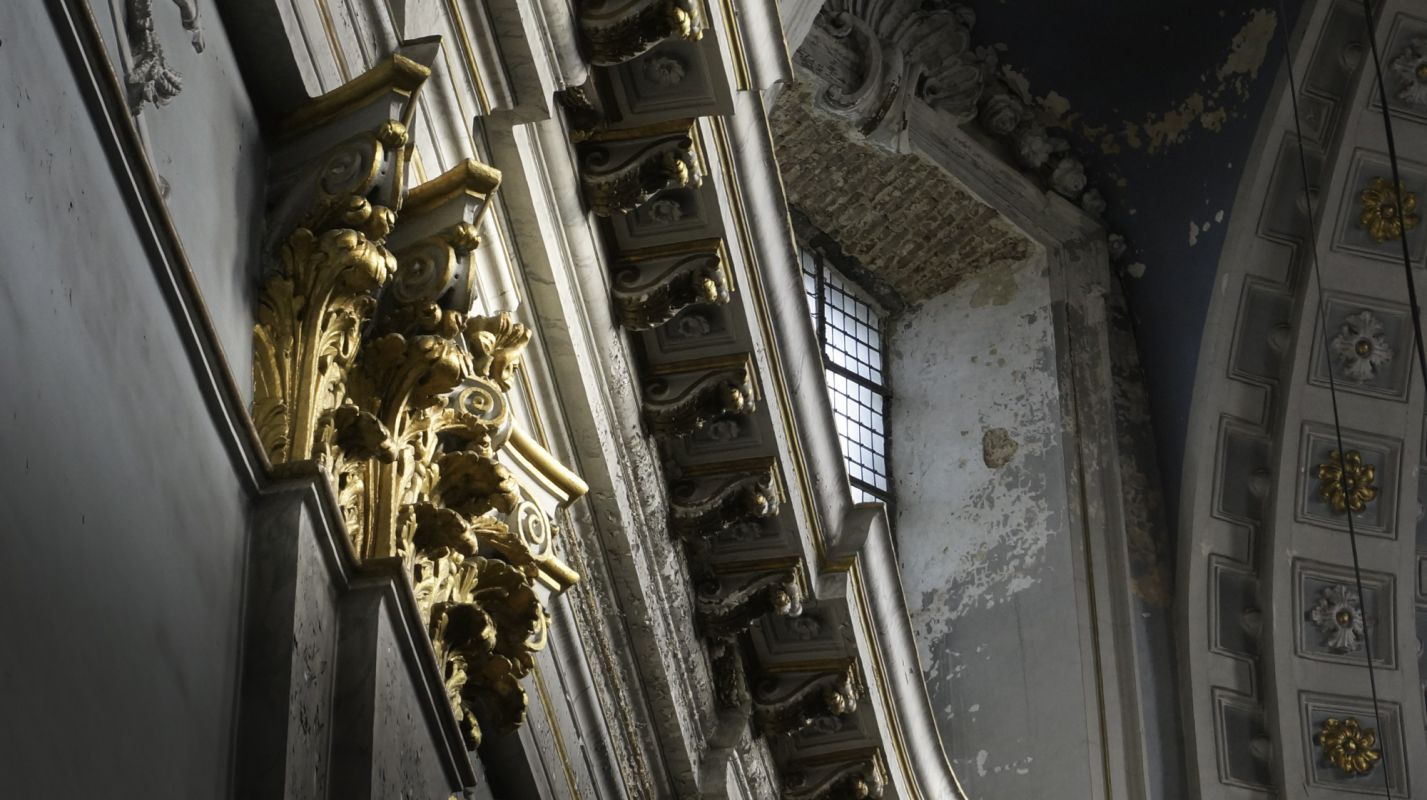
The church has also preserved fine quality baroque furnishings.
KIKIRPA : Photo-library online

Photos


Media
Remarkable elements

Sedes Sapientiae
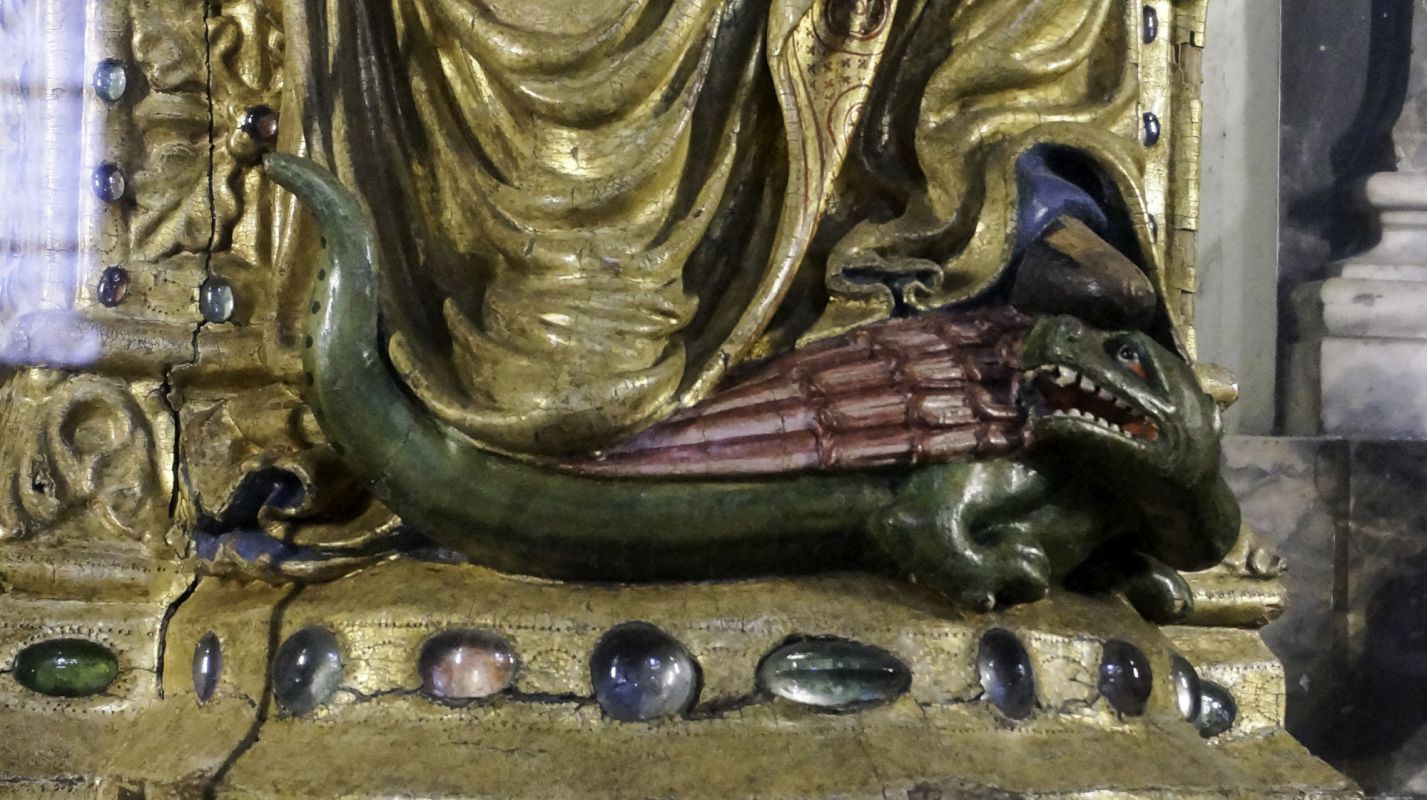
Meuse school (about 1230). This masterpiece of Meuse area art and of European Gothic is one of the most beautiful, the most precious and the most harmonious on the theme of the Virgin and Child. Mary, the seat of wisdom, a queen seated on a throne rich in precious stones, a new Eve crushing the dragon is also a woman of outstanding beauty.
Calvary
The Virgin and Saint John at Calvary, from the Meuse school (1250–1260), once stood at the entrance to the choir. The Virgin, belt tied dress and cape, tilts her tense face, her joined hands showing restrained sorrow. Saint John, hand on his forehead, shares the same grief. Created by two sculptors from different traditions, these statues are among the earliest works of the Meuse school.
Notger
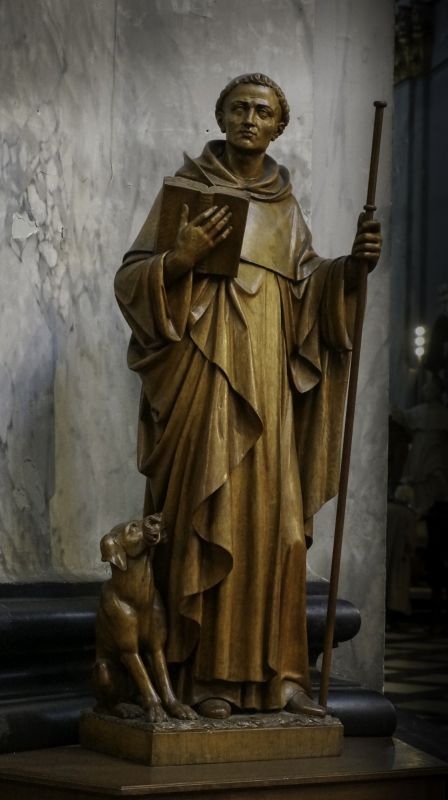
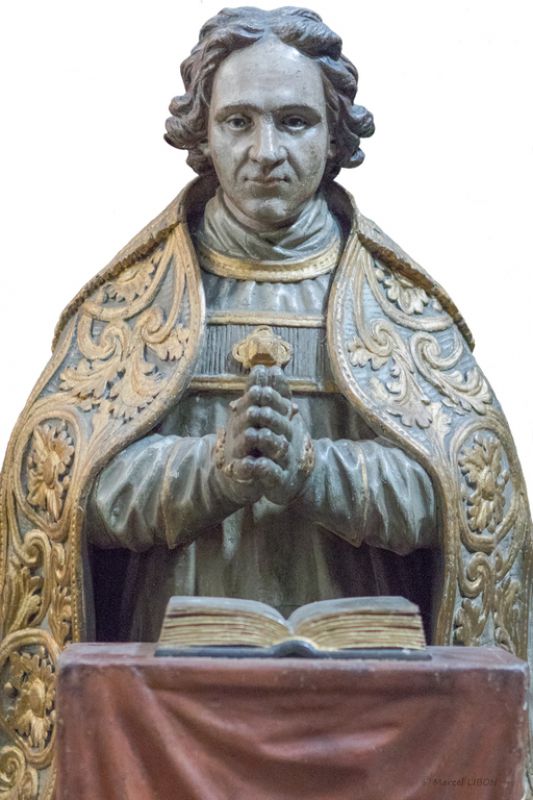
Born into a noble Swabian family and educated at Saint Gall, he later served at Otto I’s court. Appointed bishop of Liège in 972, he built a new episcopal palace and the cathedral of Notre-Dame and Saint-Lambert. He founded the collegiates Sainte-Croix, Saint-Denis and Saint-Jean. He died on 10 April 1008 and was buried here, though his tomb’s location is unknown. Only the statue and prie-Dieu remain of his former cenotaph.
The cloisters (16,18 and 19th century)
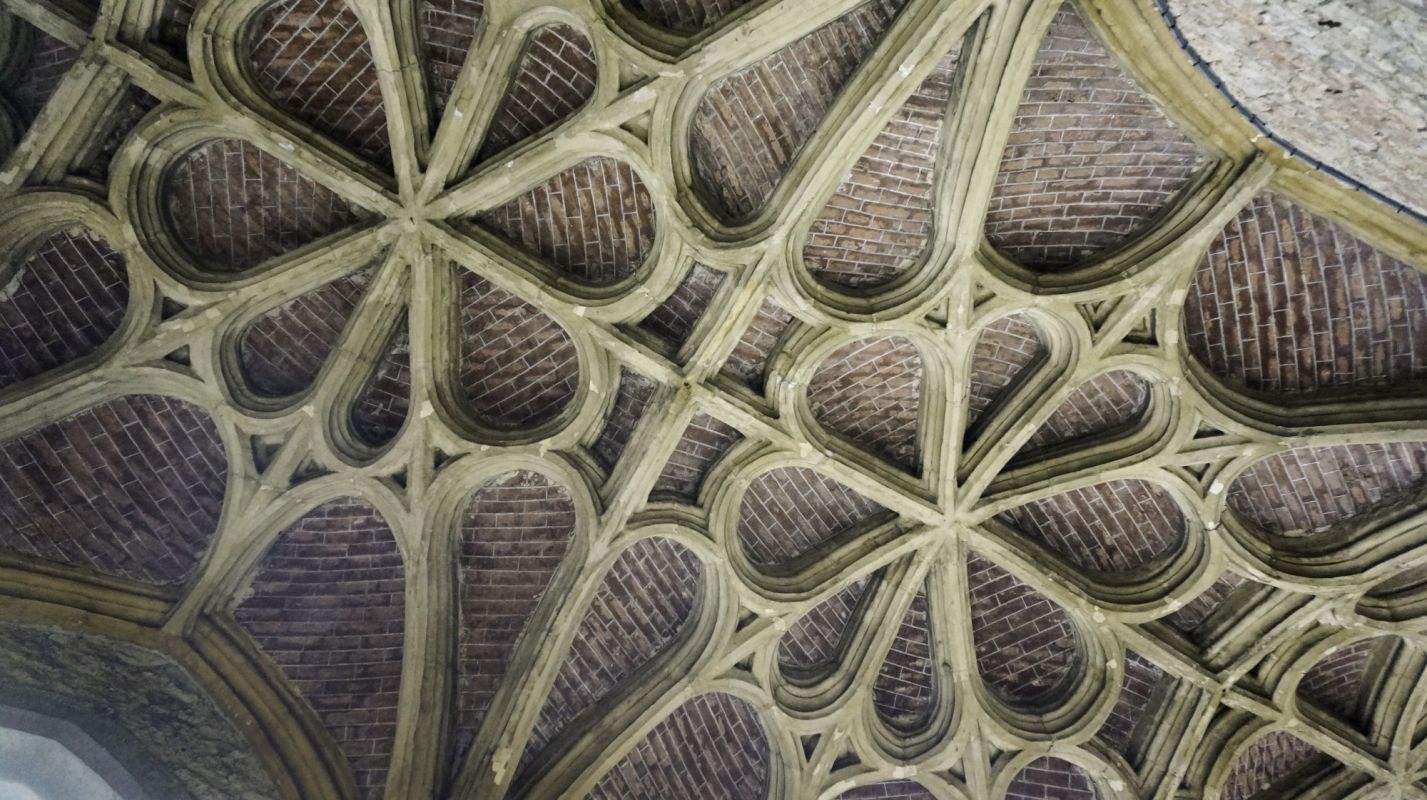
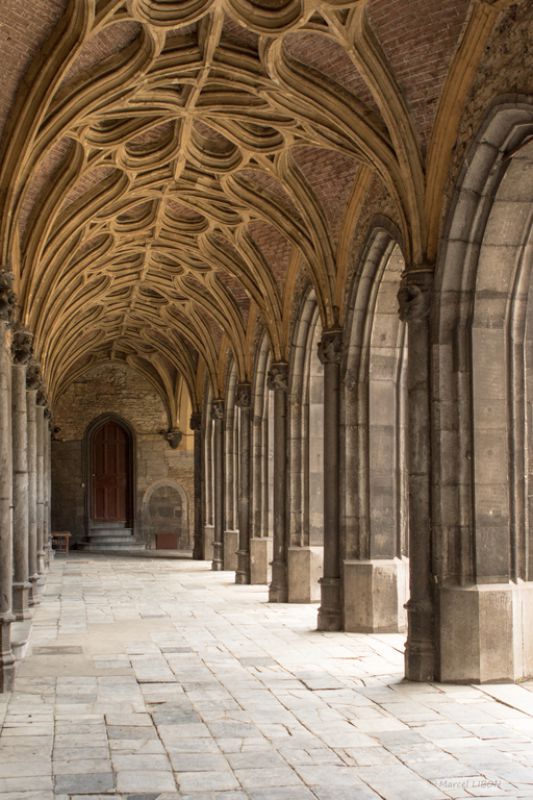
The southern aisle has fine Gothic arches. The coat of arms of Prince- Bishop Erard de la Marck visible under a canopy, show it to be dated to the beginning of the 16th century. In the N W corner of the cloister is a strange sandstone high relief which was previously in polychrome. This is the epitaph of the Canon Guillaume de Wavre (died 1457) depicting “The meal at Simon the Pharisis”. The Dominican community is in the cloisters’ north aisle.
The pulpit and confessionals
The conversion of the old collegiate to a parish church made confessionals necessary. In the early part of the second half of the 19th century the idea of acquiring new confessionals germinated .The sculptor Alexandre de Tombay (1815-1881), creator of the stations of the cross, made these confessionals.
The tower and the carillon
Rebuilt in the mid 18th century, the collegiate of Saint John the Baptist kept its tower and turrets, which were only reinforced. During the Revolution several bells were removed, but in 1808, now a parish church, it received the bells of demolished St Adalbert. Archives note carillon restorations in 1881, 1892 and in 1930 during the Liège Universal Exhibition.