
Our Lady of the Assumption
Stee
9988 Watervliet (Sint-Laureins)
Church | 1502-1540 | Gothic | Catholic Church

Map
Opening hours
01 March - 30 November
Mon 8.30 - 18.00
Tue 8.30 - 18.00
Wed 8.30 - 18.00
Thu 8.30 - 18.00
Fri 8.30 - 18.00
Sat 8.30 - 18.00
Sun 8.30 - 18.00
01 December - 28 February
Mon -
Tue -
Wed -
Thu -
Fri 10.00 - 17.00
Sat 10.00 - 17.00
Sun 10.00 - 17.00
Isn't the church open when you're planning a visit? Contact the Tourist Office on +32 9 218 76 47.
Description
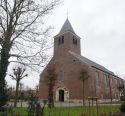
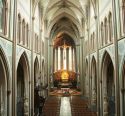
Hieronymus Lauwerijn, lord of Watervliet and high-ranking civil servant under Philip the Fair, had this Gothic church built shortly after 1500. It was nicknamed "the cathedral of the North" because of its remarkable architecture and the impressive richness of its interior. It has some masterpieces, such as the baroque marble high altar by Lucas Faydherbe and a work by Daniel Seghers, a baroque painter and collaborator of Rubens.
KIKIRPA : Photo-library online
Vlaamse Meesters in situ : Onze-Lieve-Vrouw Hemelvaart Watervliet

Photos




Remarkable elements
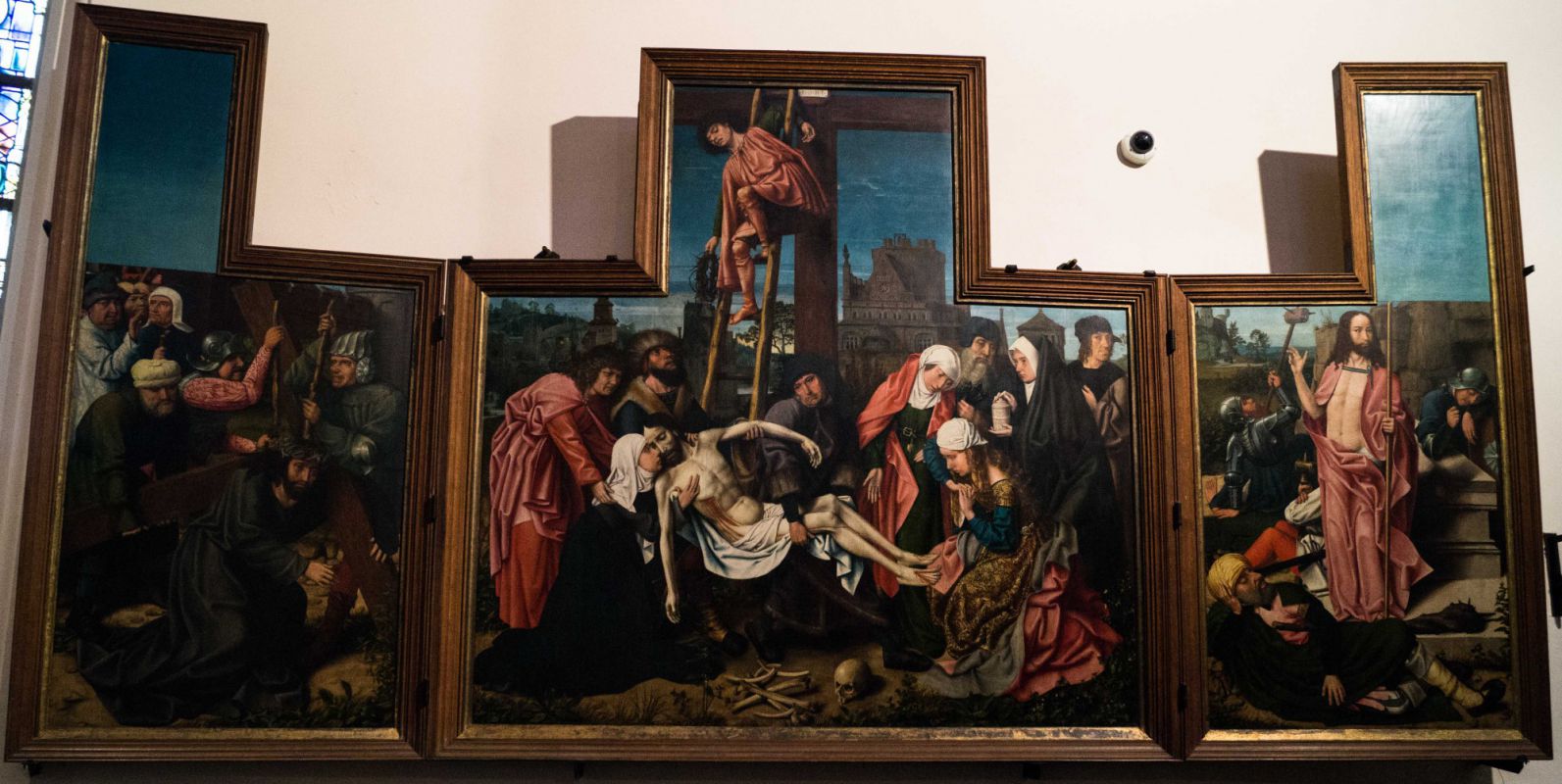
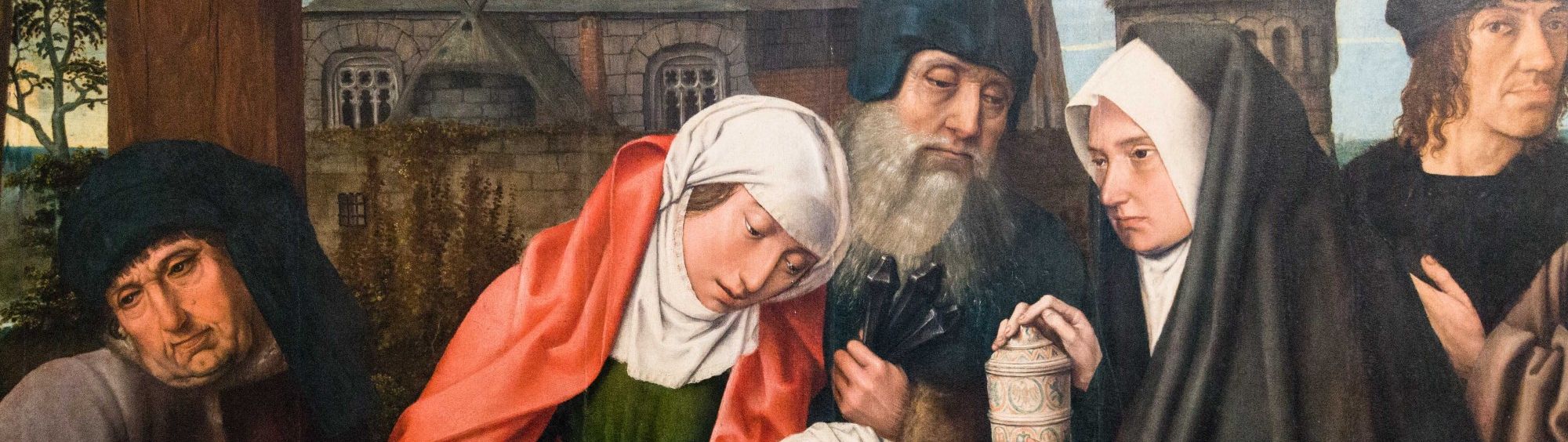
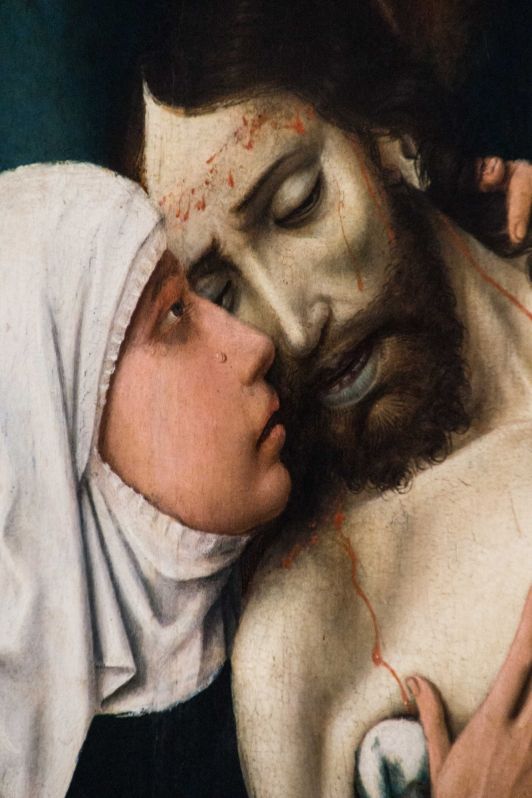
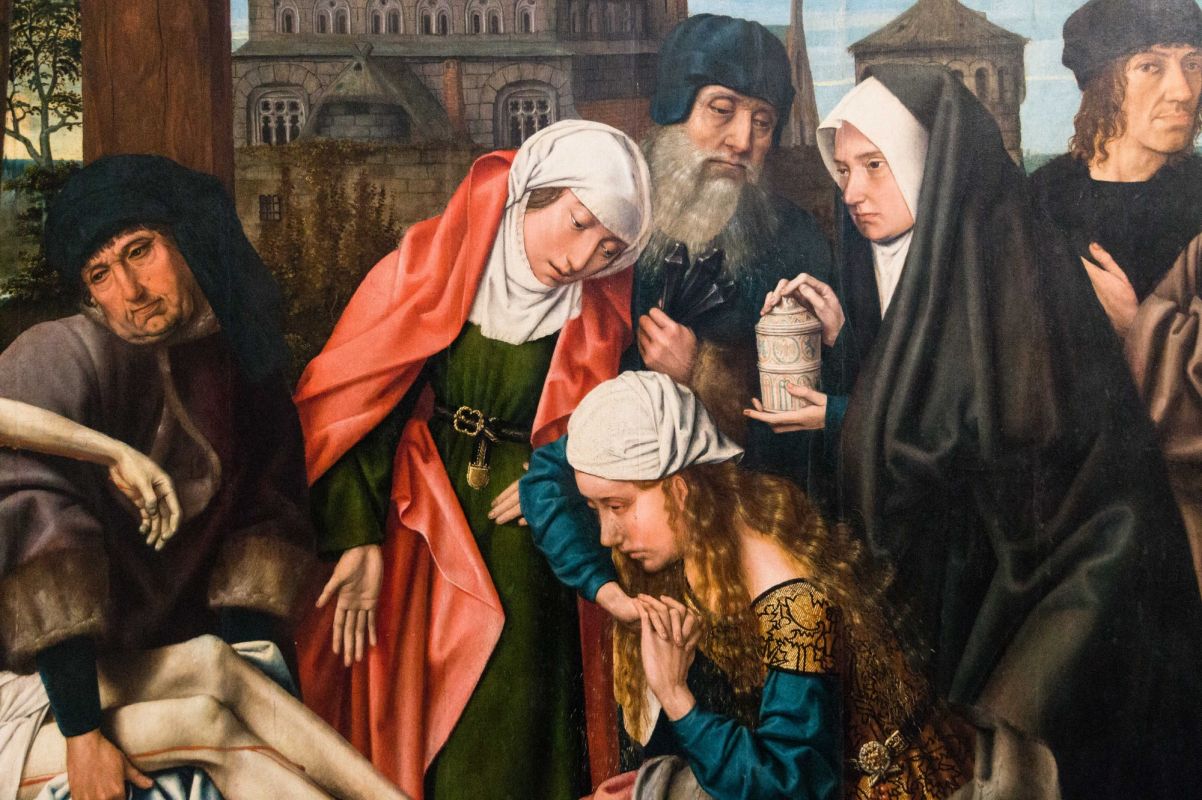
Triptych of the Deploration of Christ
Masterpiece of the church, attributed to the Master of Frankfurt (1460–ca.1533), likely commissioned by a lord of Watervliet, though sources are lacking. Stylistically dated 1515–1525, it is first mentioned in 1627, when David Noveliers restored it; it then stood on the high altar. Open, the triptych shows the Portage of the Cross, the Descent from the Cross and the Resurrection.
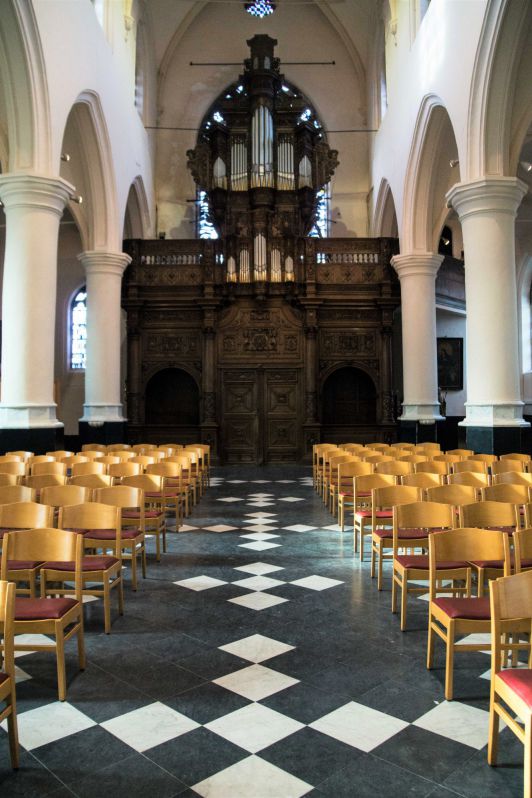
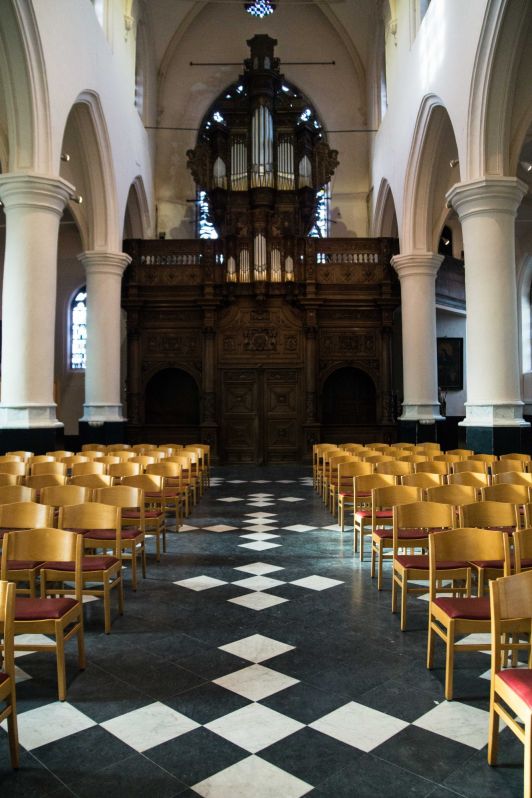
Organ and portal
This early baroque organ, built in 1643 by Baudouin Ledon of Bruges, is a remarkable instrument suited to baroque music, with characteristic registers such as the nightingale. Beneath it stands an ornate portal by Jacques Sauvage (1649), composed of three parts marked by columns on a high, advanced pedestal. Its rhythmic structure still reflects Renaissance style.
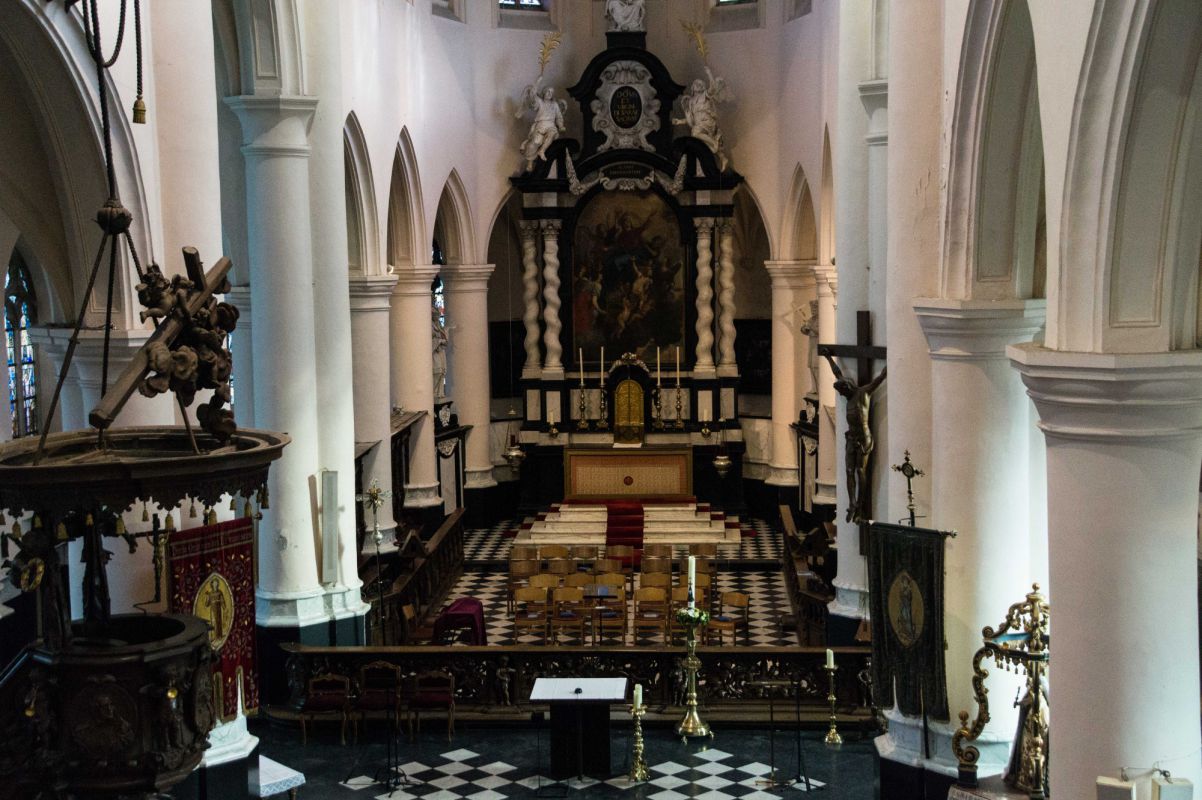
Main altar, ambulatory and choir stalls
The monumental high altar, fully Baroque, was created between 1652 and 1655 by Lucas Faydherbe, who had worked in Rubens’ workshop and mastered his dynamic style. The choir stalls differ from the communion bench and pulpit but resemble the portal. Made in 1643 by Jacques Sauvage, they feature doors bearing the Lauwerijn family’s coat of arms.
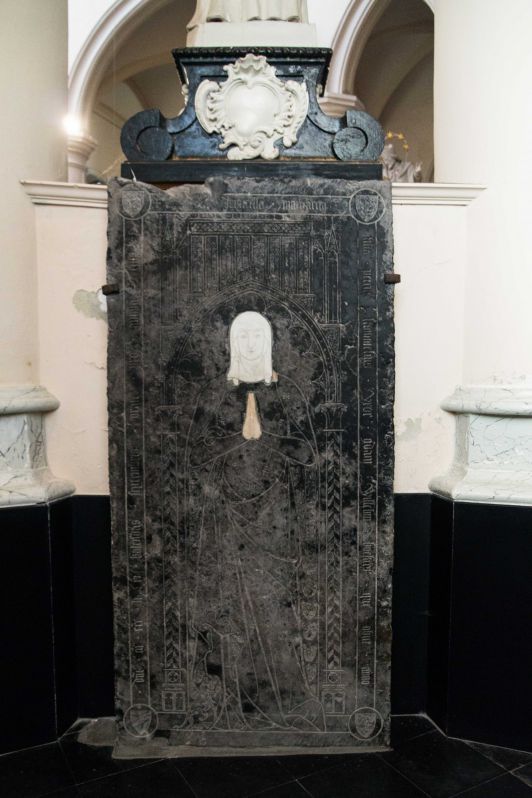
Tombstone of Hiëronymus Lauwerijn and his wife
Hieronymus Lauwerijn built the church between 1501 and 1540, and until the French Revolution his tomb dominated the large choir. He wished to be buried there, but the tomb was removed and destroyed during the Revolution. Rediscovered in 1893, the fragments were reassembled and completed in plaster by Rooms of Ghent. Since 1894, the stone with the effigies of Lauwerijn and his wife stands in the choir ambulatory.
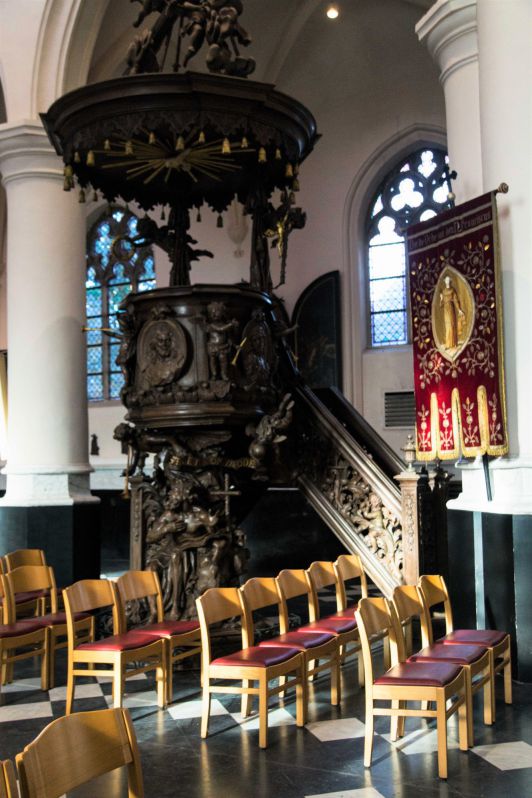
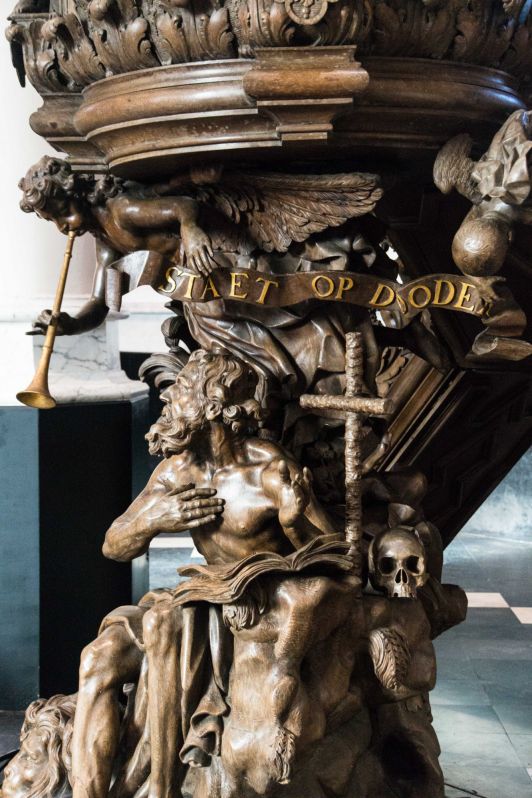
Baroque truth pulpit and communion bench
From the Counter-Reformation onwards, the pulpit became an important piece of church furniture. It is a 1726 work of art by the famous sculptor Hendrik Pulinx (1698-1781). The theme represented here is the Last Judgement as described in the Apocalypse of John. Below is Hieronymus Lauwerijn, the founder of the church.
The communion bench is in the same hand as the pulpit. The resemblance is striking in terms of the composition and design of the foliage and the angels.
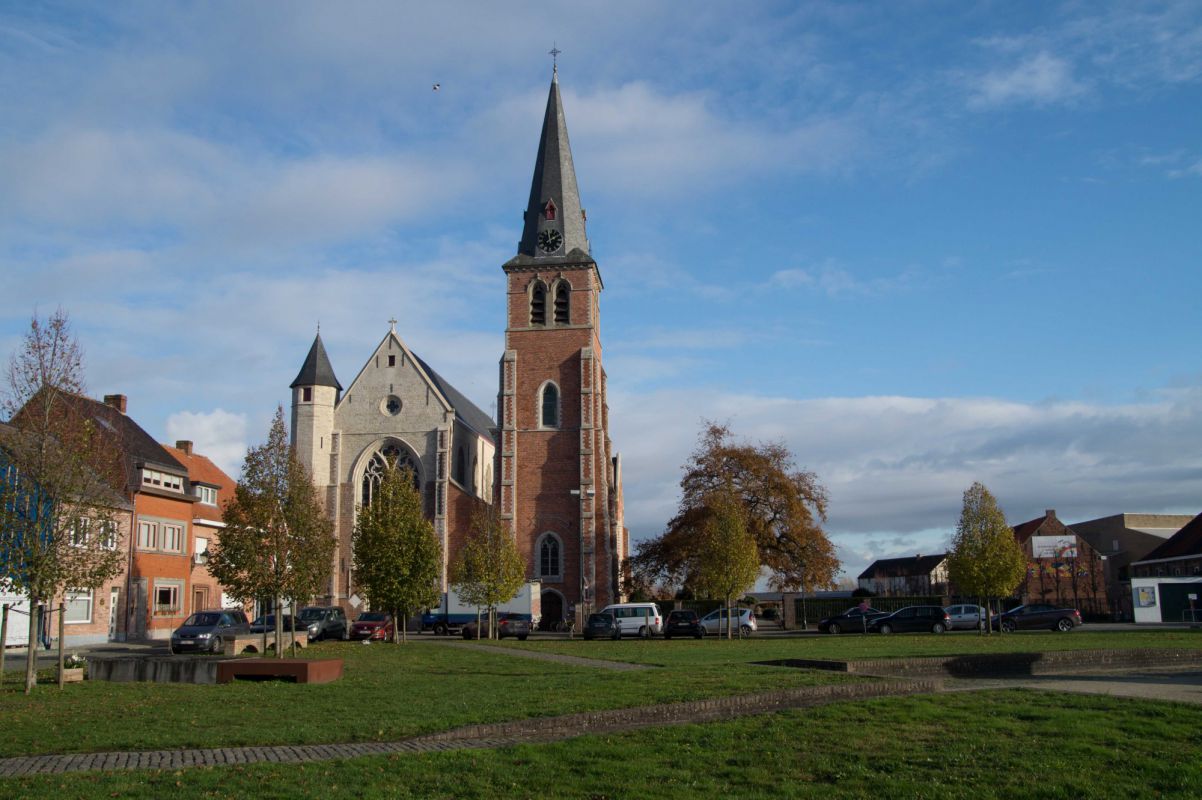
The Stee and the church in Watervliet
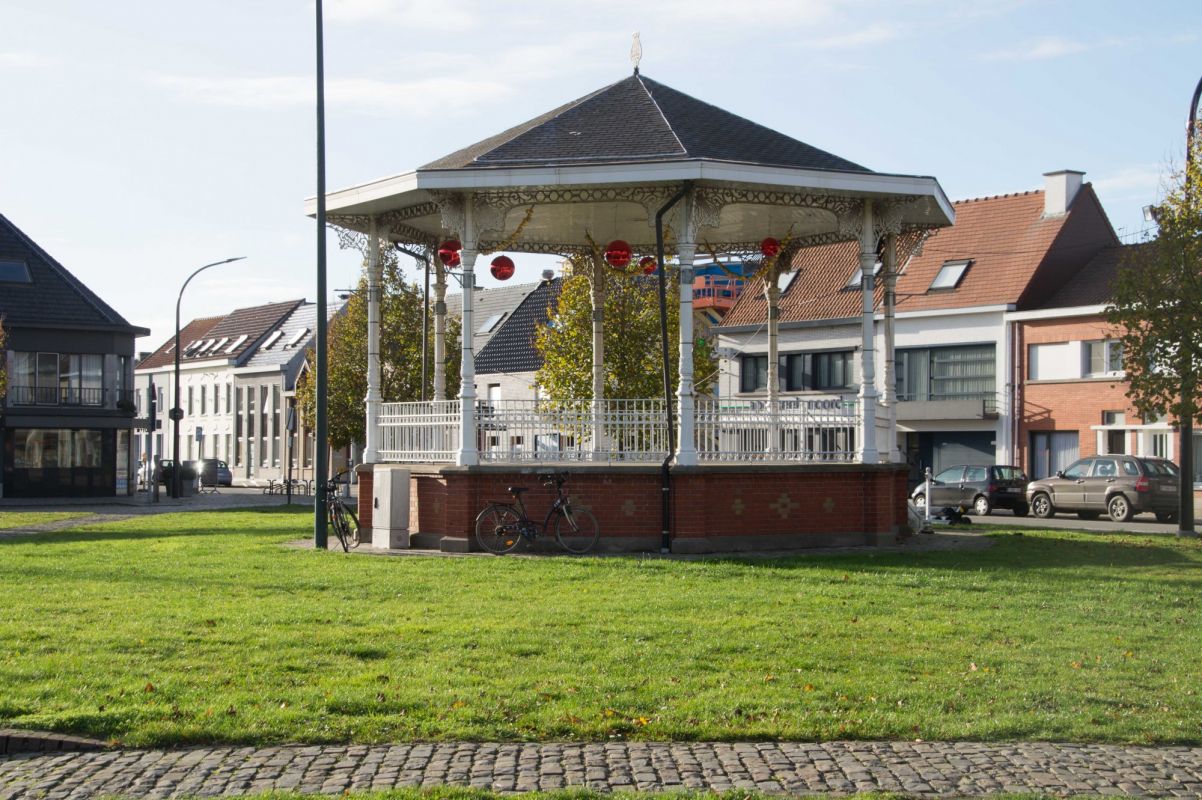
The church of Watervliet, founded in the early 16th century and known as “the cathedral of the North”, overlooks the village square or Stee, once home to a weekly market and annual fair. The trapezoidal square, with kiosk and water pump, is surrounded by key buildings: church and cemetery, presbytery, old communal house and bourgeois homes. The north south Molenstraat and Ketterijstraat have shaped the village for centuries.
Partners

Nearby

Circuit
A walk around Watervliet
The walk starts at the Stee, and it is the Veldstraat that takes us out of the village towards Muizenhol. Take note of the dykes and the vast polder plain that connects Watervliet with Boekhoute, stretching right up to the Belgian-Dutch border.