
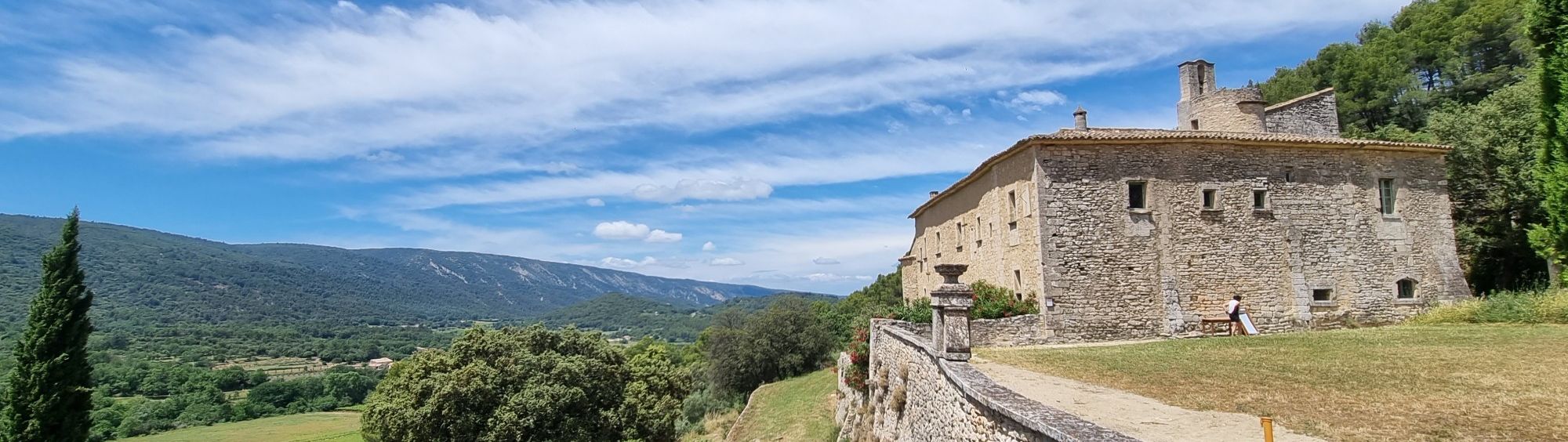
Saint Hilary
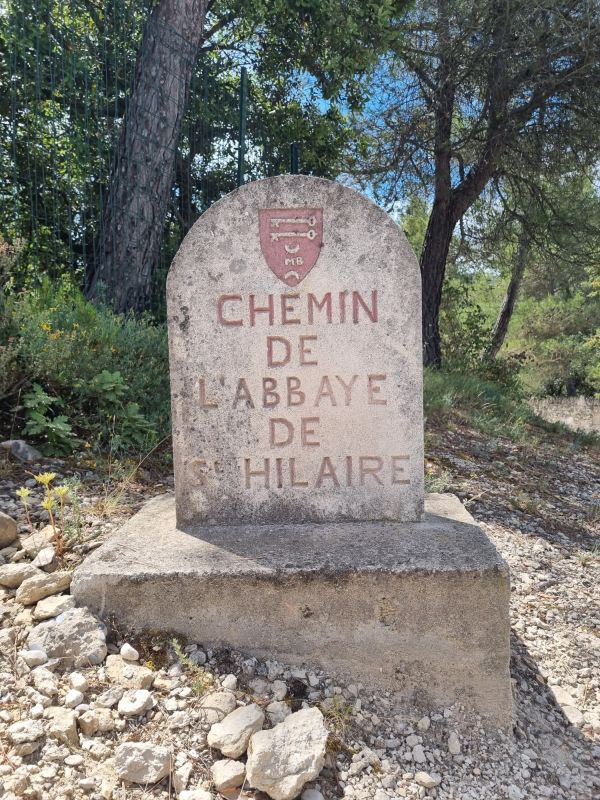
Route de Lacoste Chemin de l'Abbaye Saint-Hilaire 2950
84560 Ménerbes
| XIII | Romanesque, Gothic | Catholic Church


Map
Opening hours
01 April - 12 November
Mon 10.00 - 18.00
Tue 10.00 - 18.00
Wed 10.00 - 18.00
Thu 10.00 - 18.00
Fri 10.00 - 18.00
Sat 10.00 - 18.00
Sun 10.00 - 18.00
Description
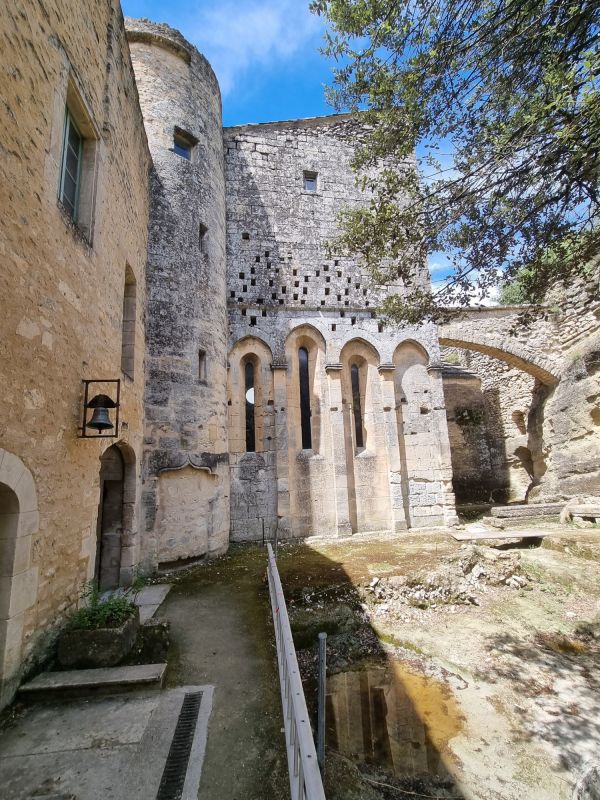
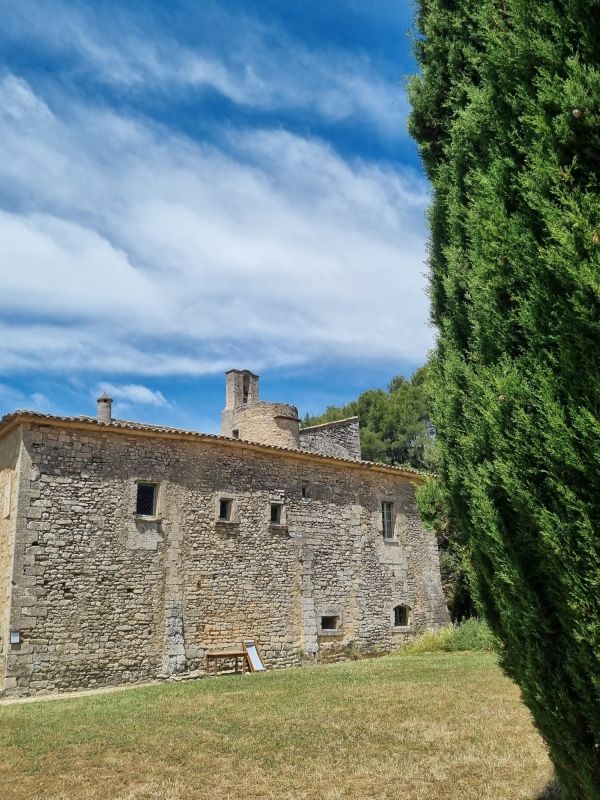
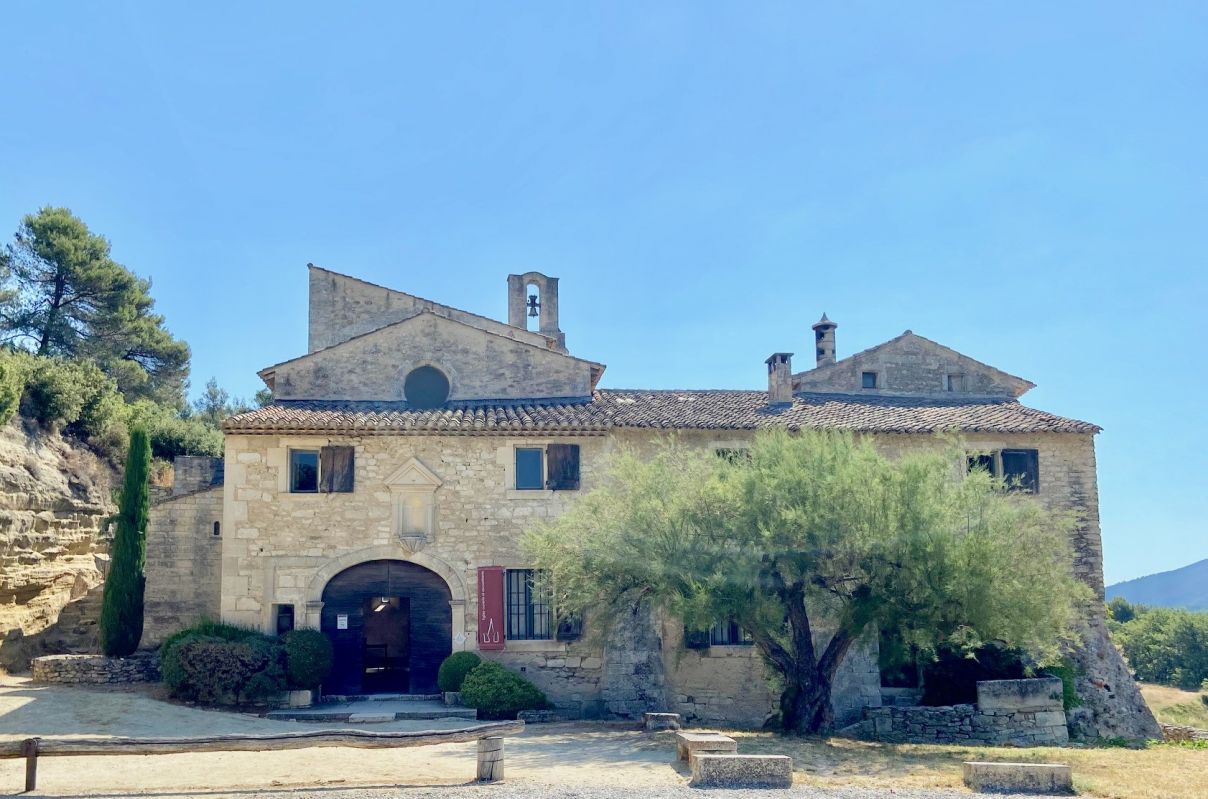
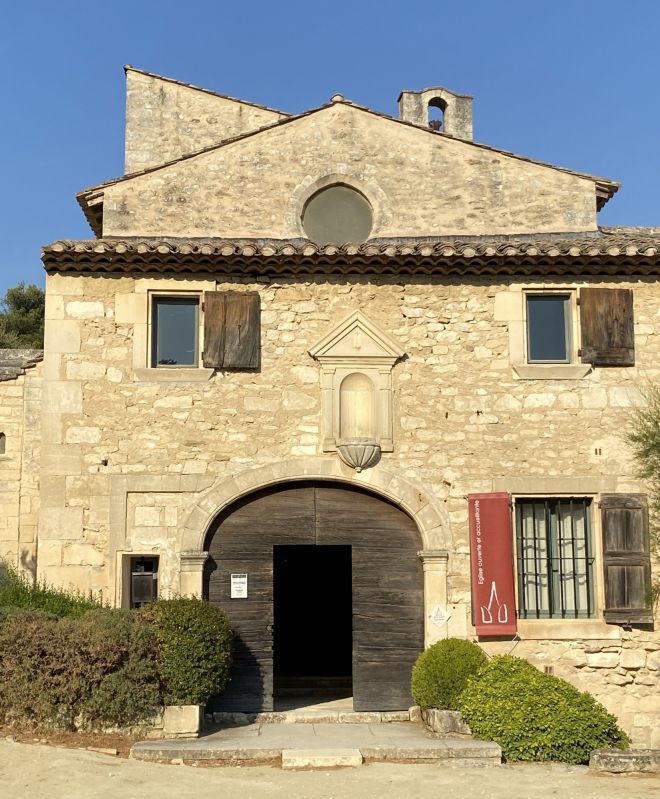
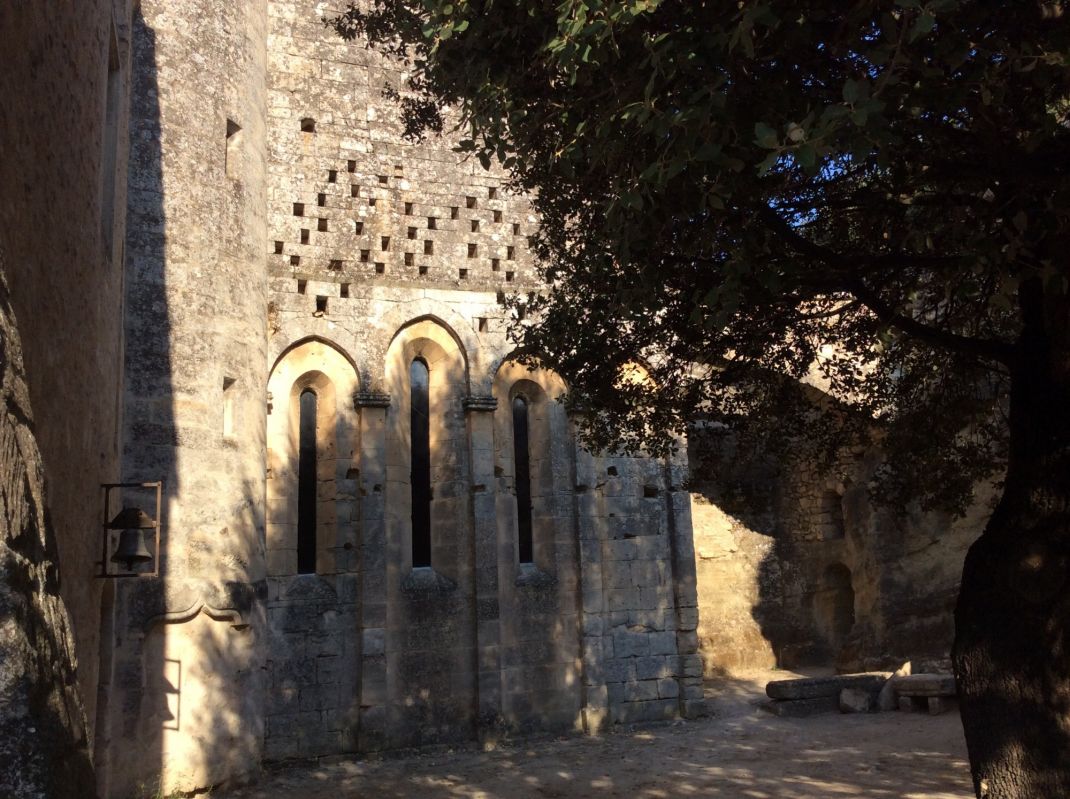
The chapel has a single nave closed by a flat chevet with three Gothic windows, while the west façade has a round opening (oculus) that allows evening light to illuminate the choir.
Rare traces of coloured geometric designs remind us that colour was once used to decorate the walls. The palette of colours still visible is very limited: red and blue.
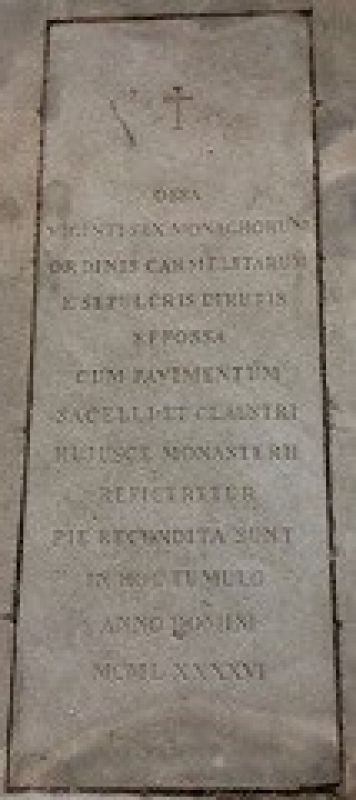
To the right of the altar, a tombstone reminds us that nearly twenty-three monks are buried here, found in the chapel and cloister during excavations carried out over the last forty years.
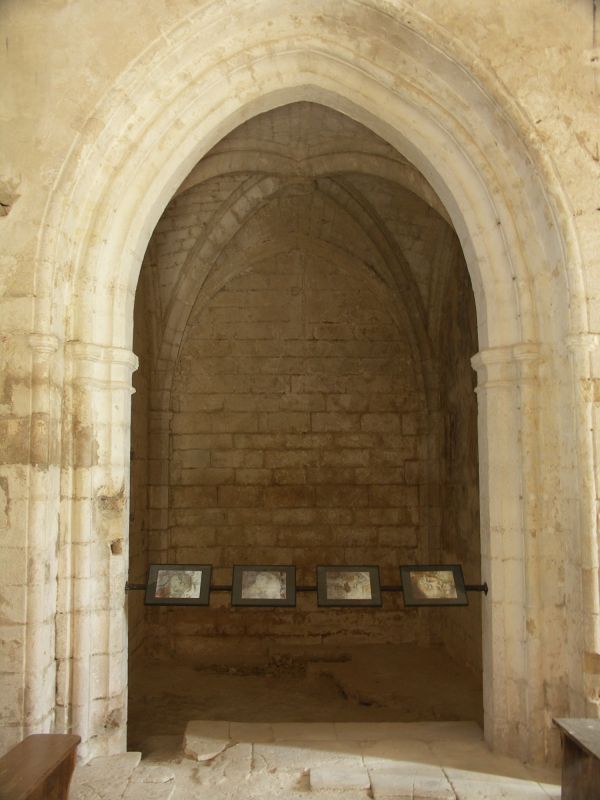
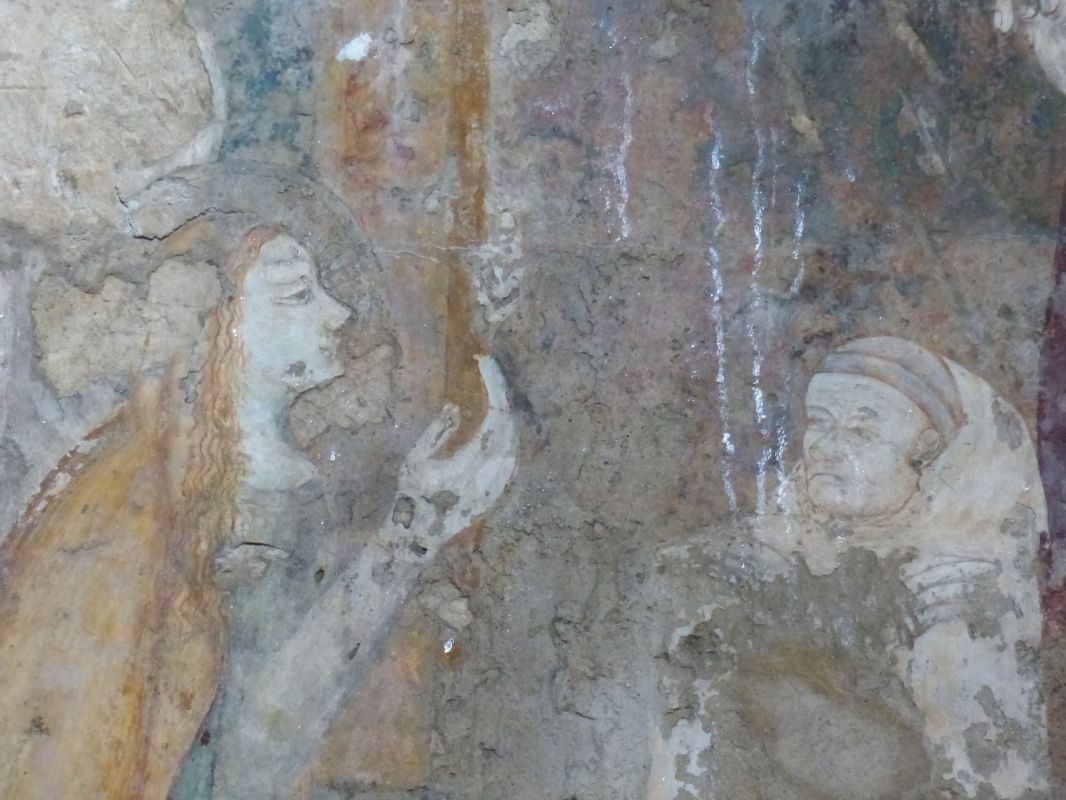
A 14th-century Piedmontese-inspired mural depicting the Crucifixion is currently undergoing a second restoration.
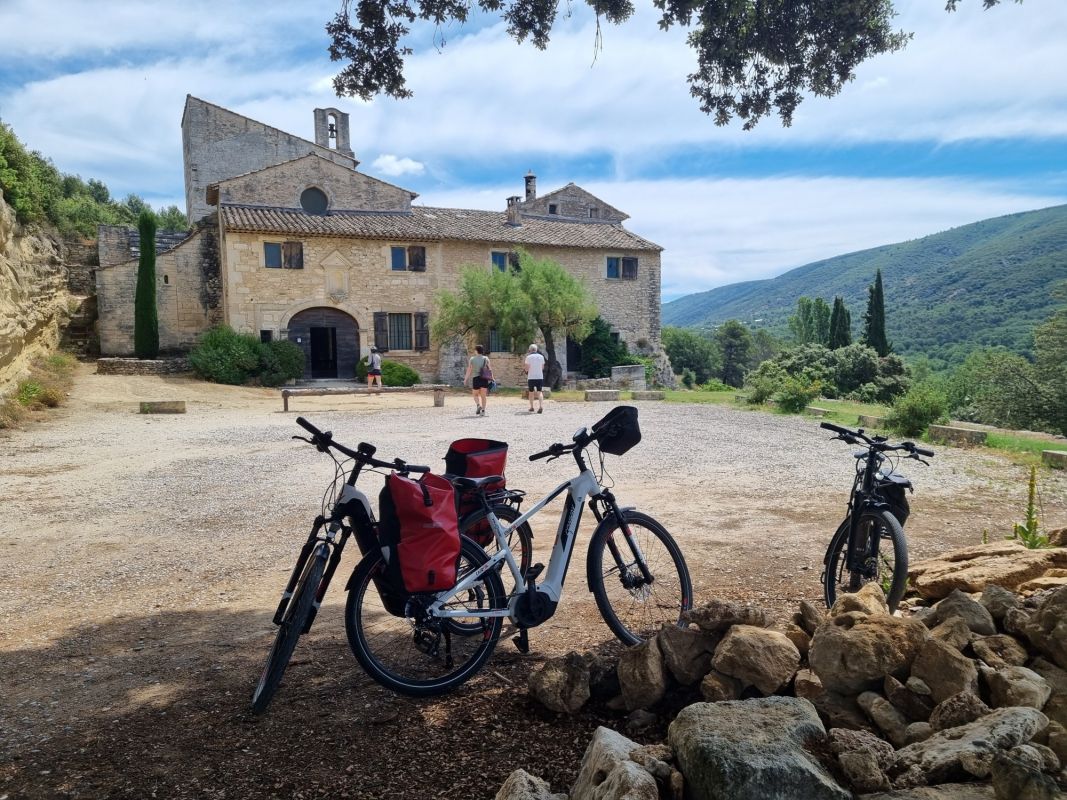
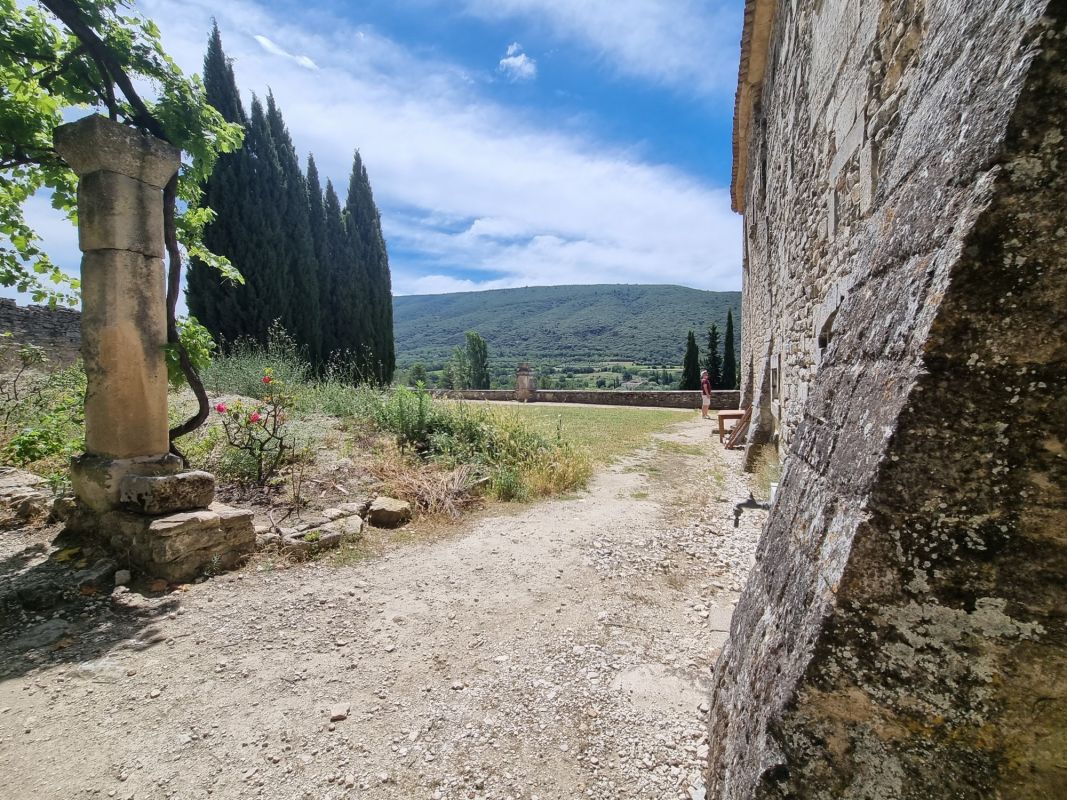
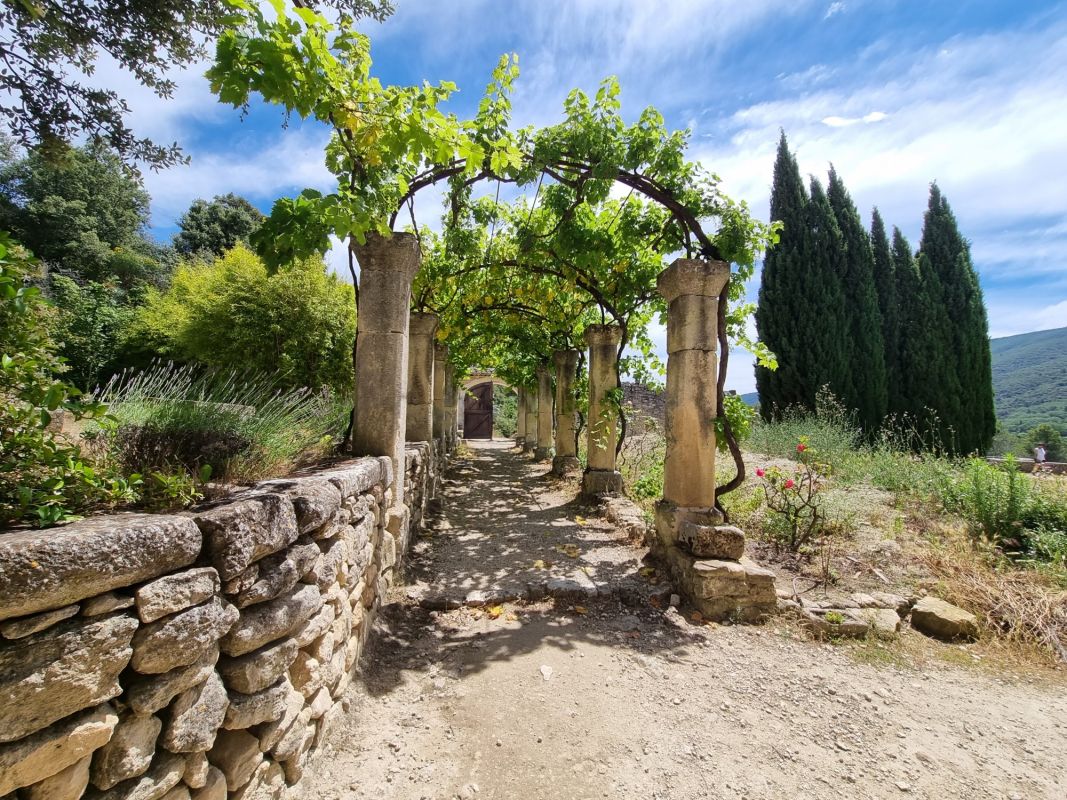
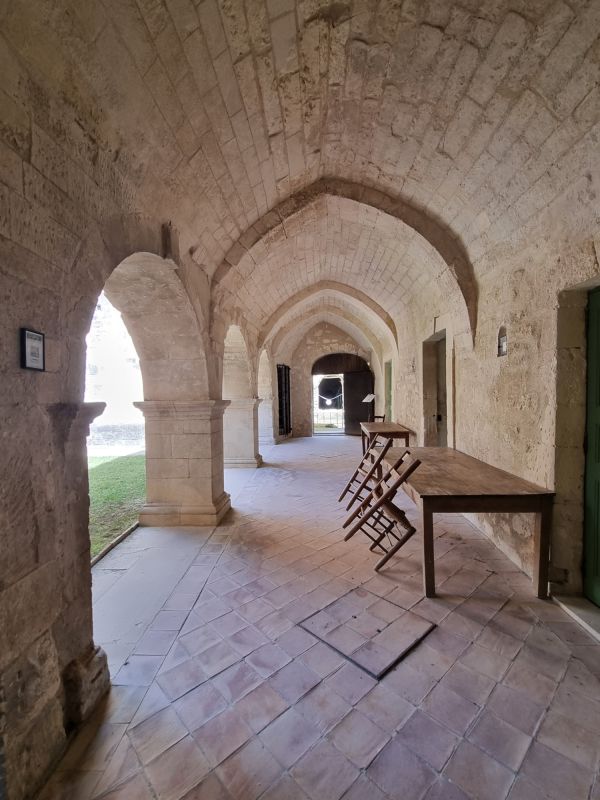
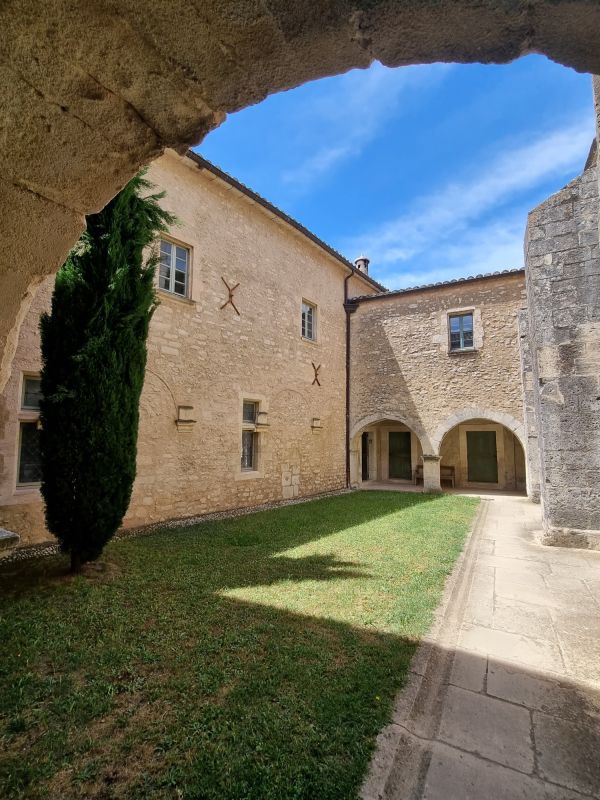
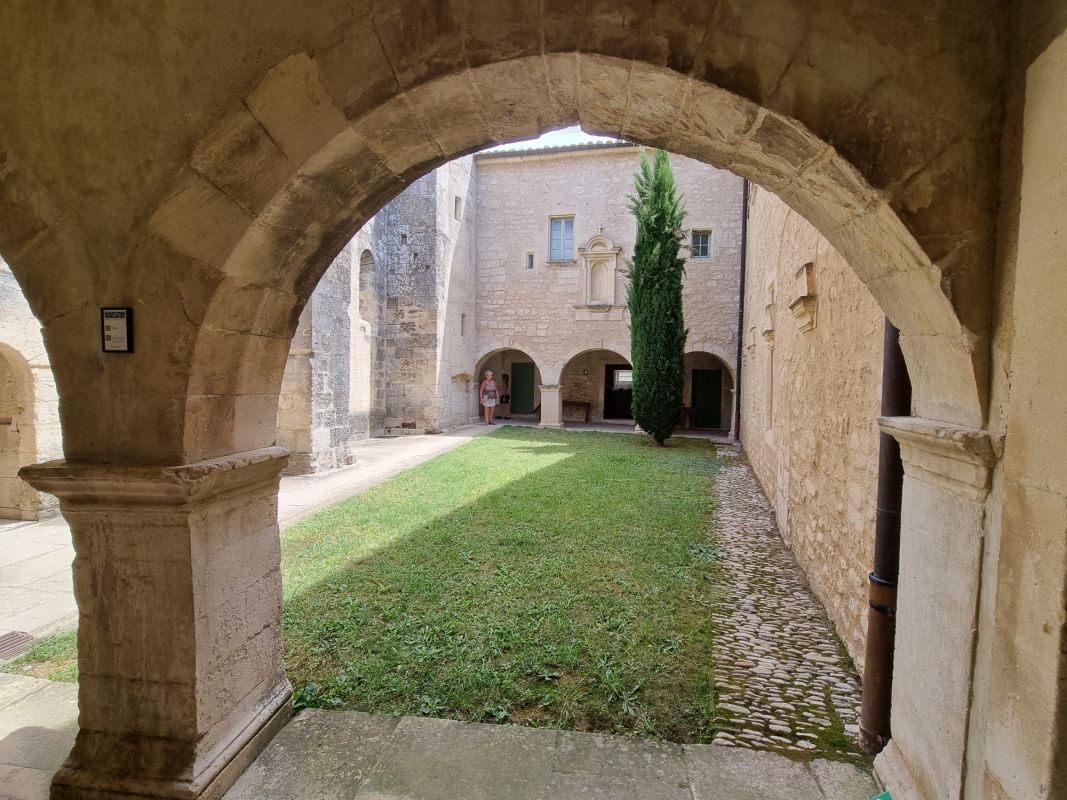
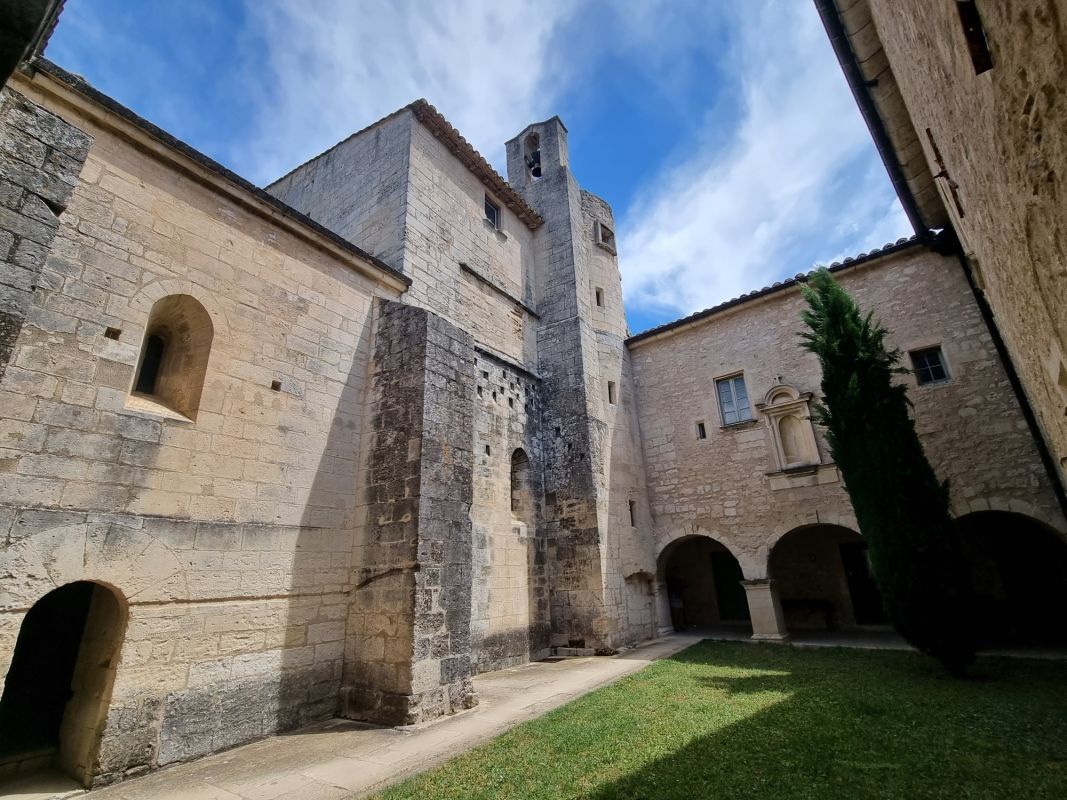
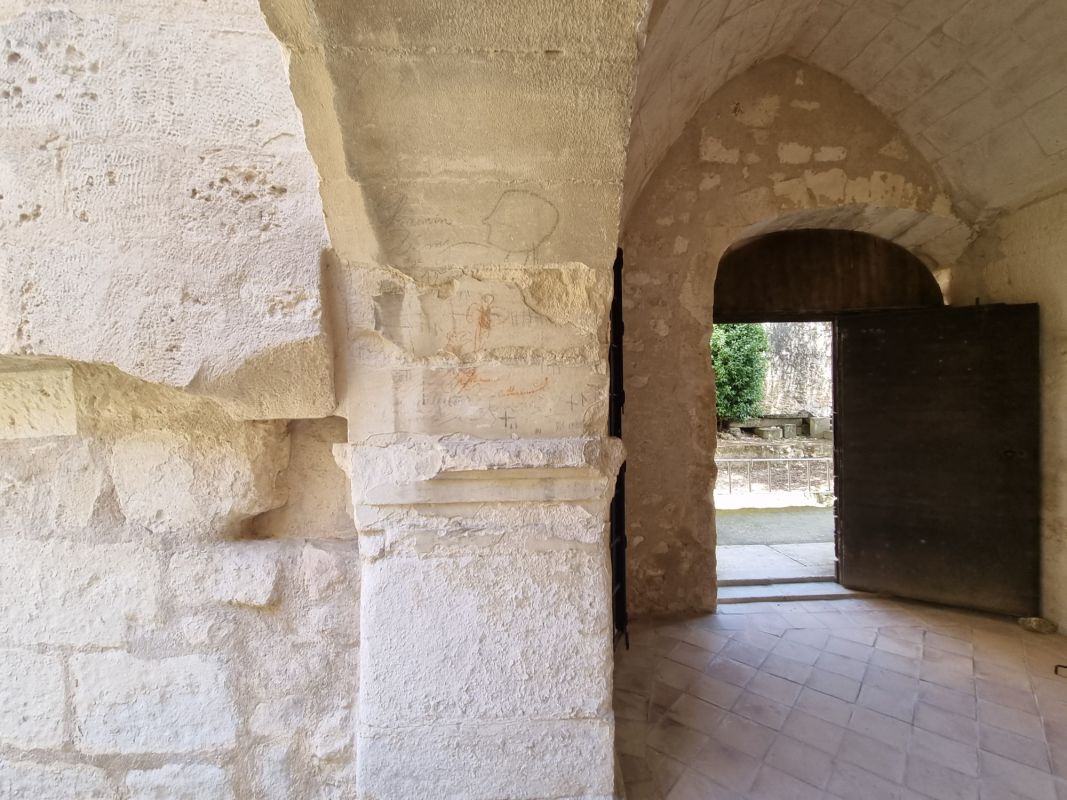
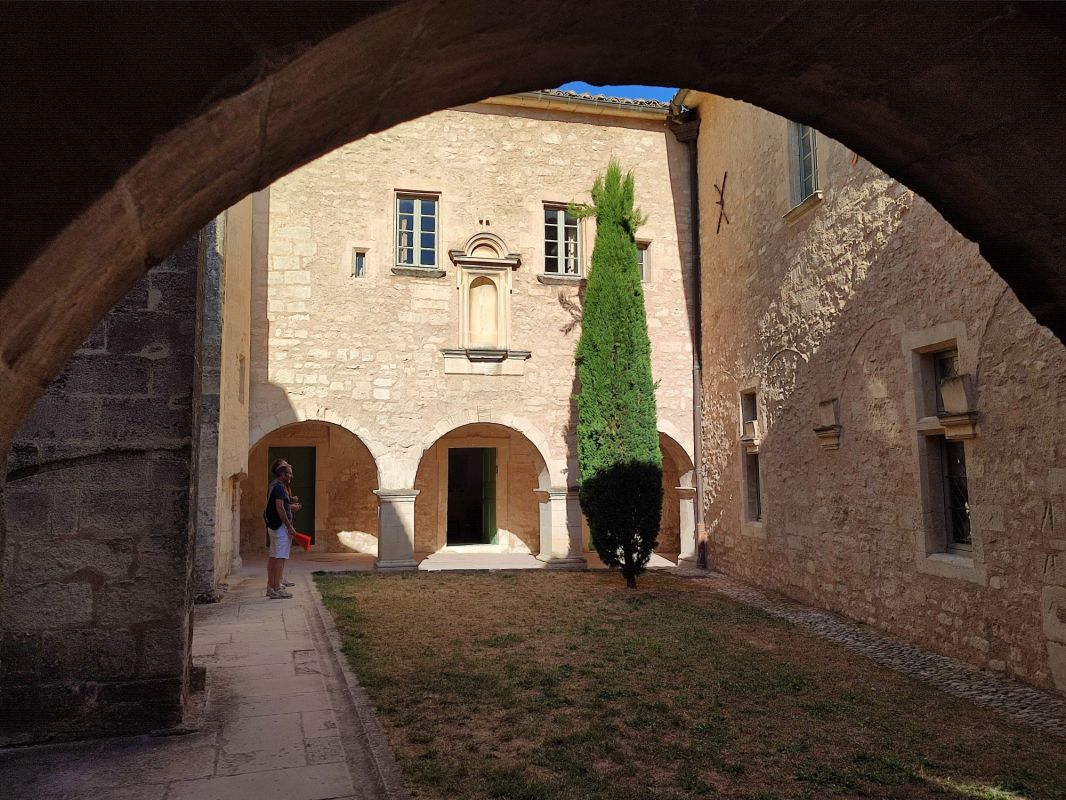
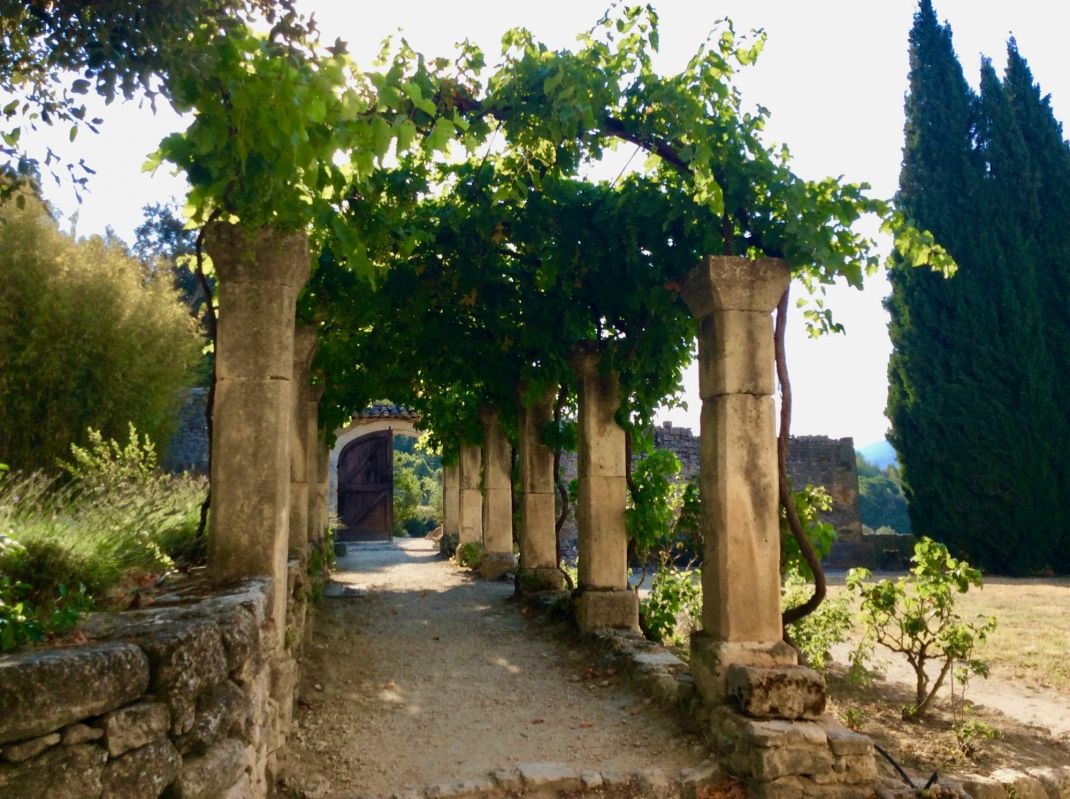
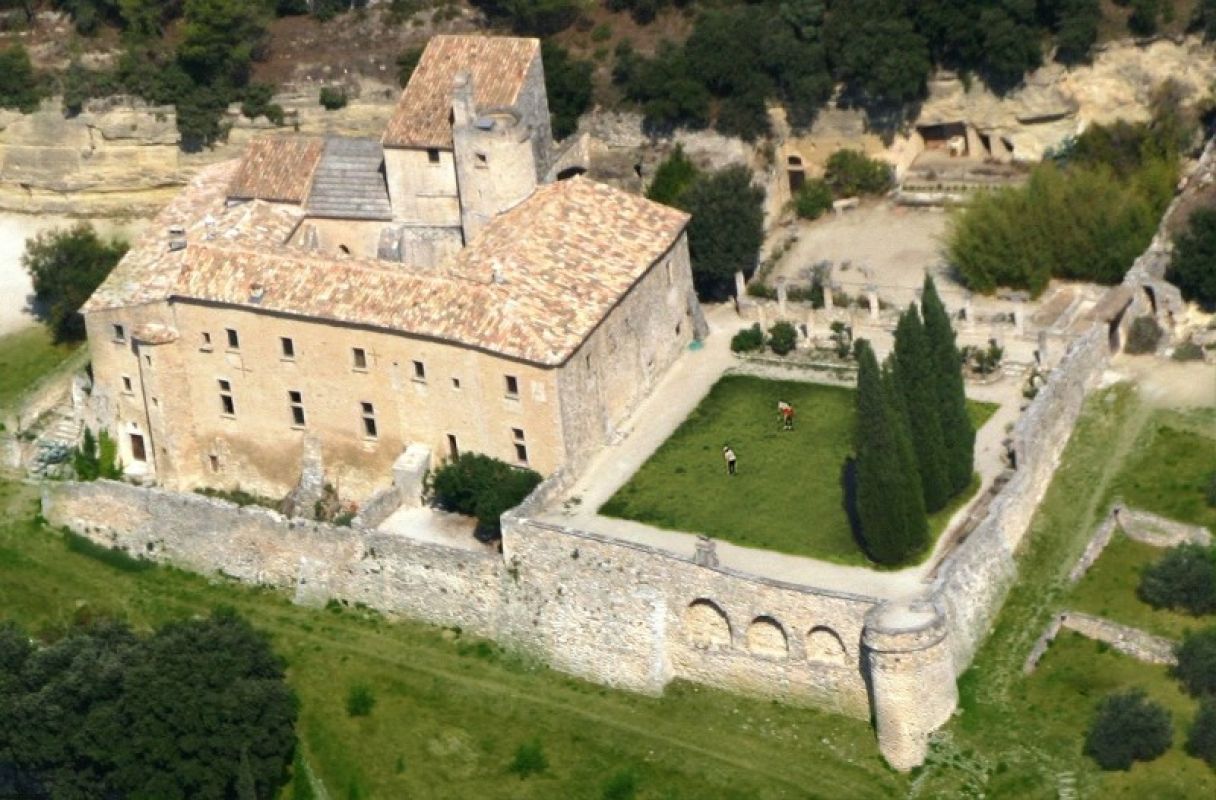
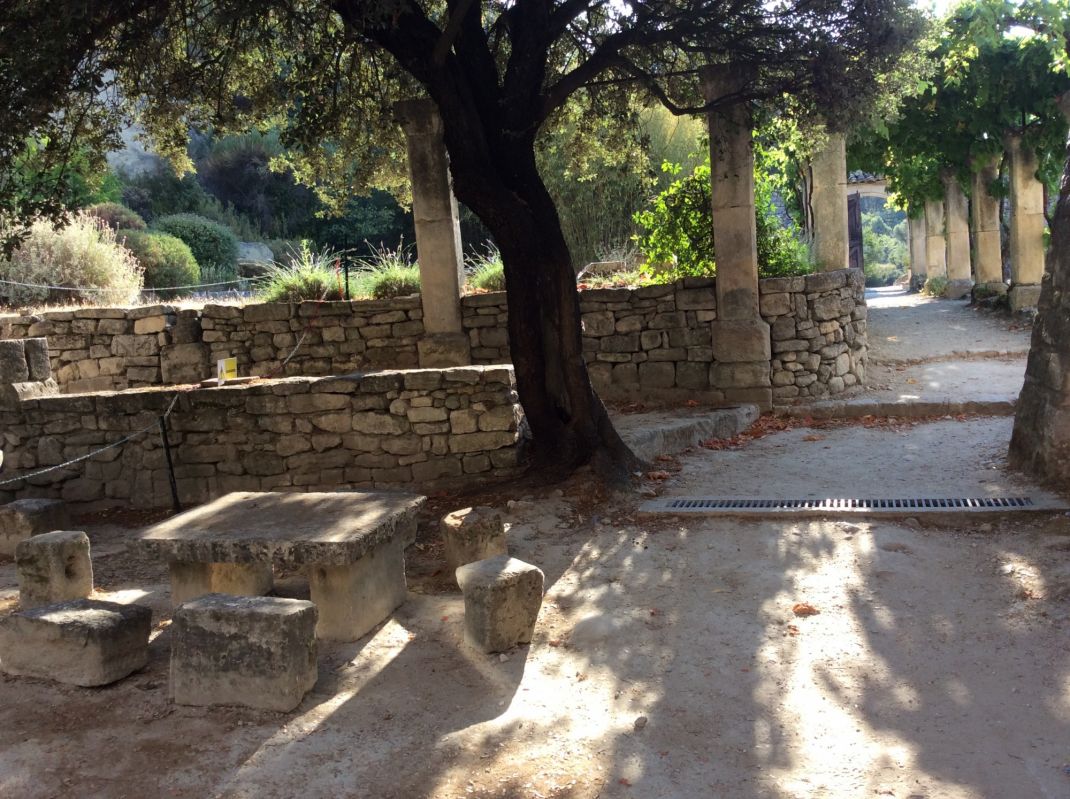
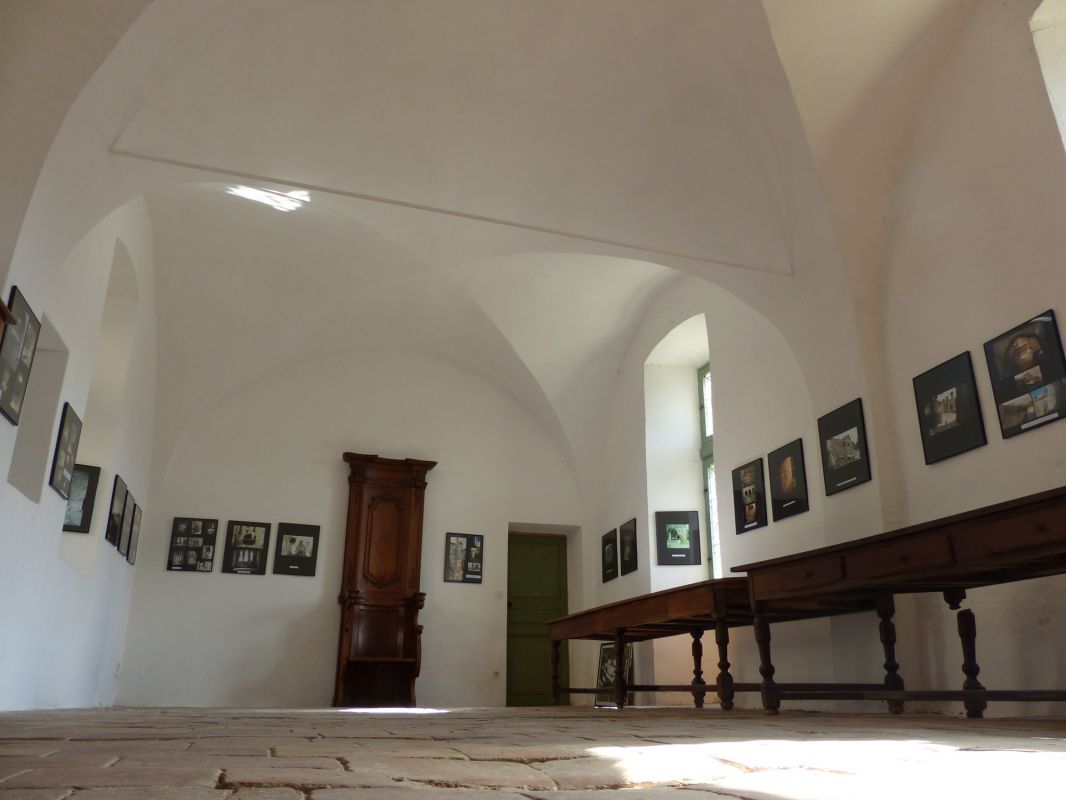
From the nave of the chapel, two doors lead to the cloister, which serves the chapter house, guest quarters, scriptorium, refectory and kitchen. Afterwards, you are free to visit the terraces and gardens.
Did you know? The word ‘abbey’ is not accurate; the correct term for Carmelite convents is “convent”. In 1961, the notary wrote ‘abbey’, a term that was retained on the signs by the departmental institutions.

Photos


Remarkable elements
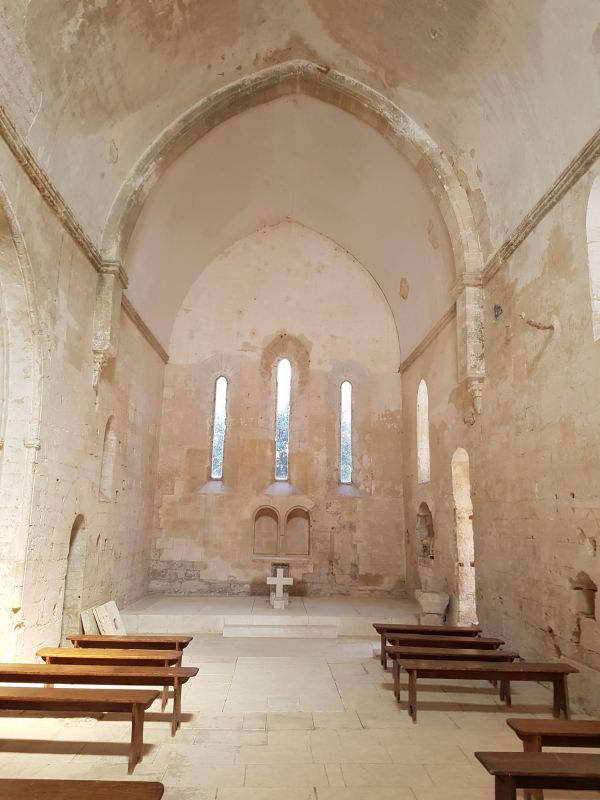
The chevet
Remarkable for its simplicity, the flat chevet with three Gothic windows floods the single nave with light from sunrise onwards.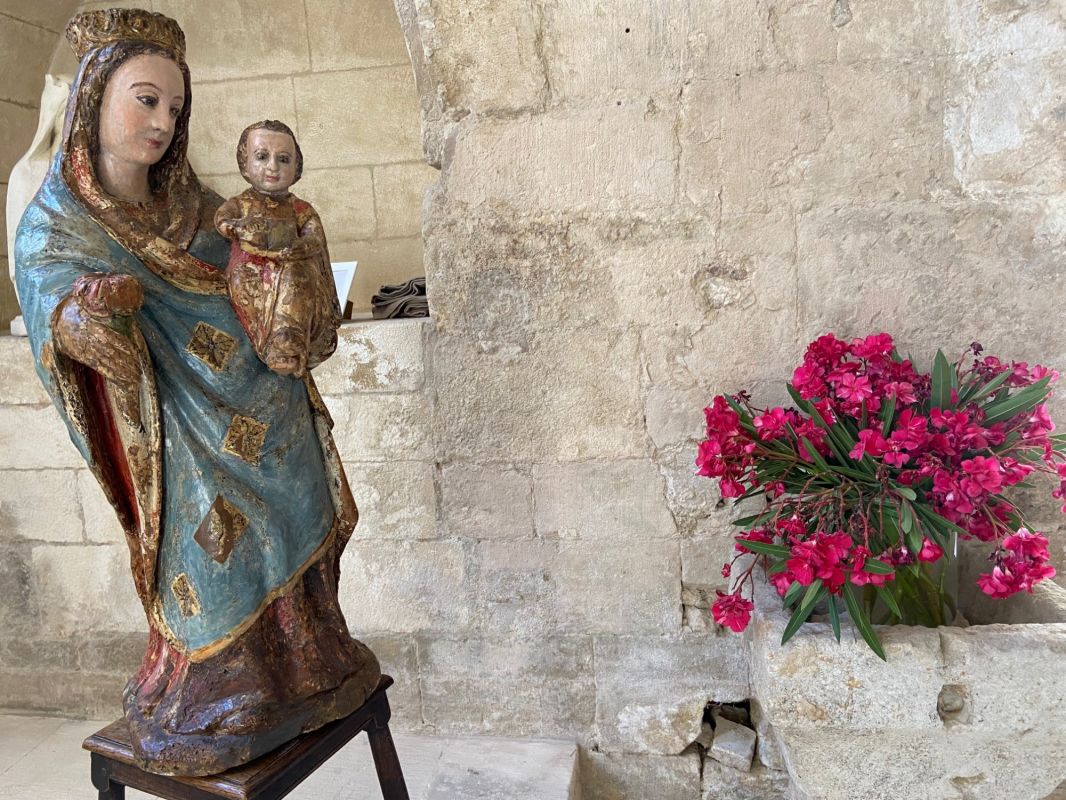
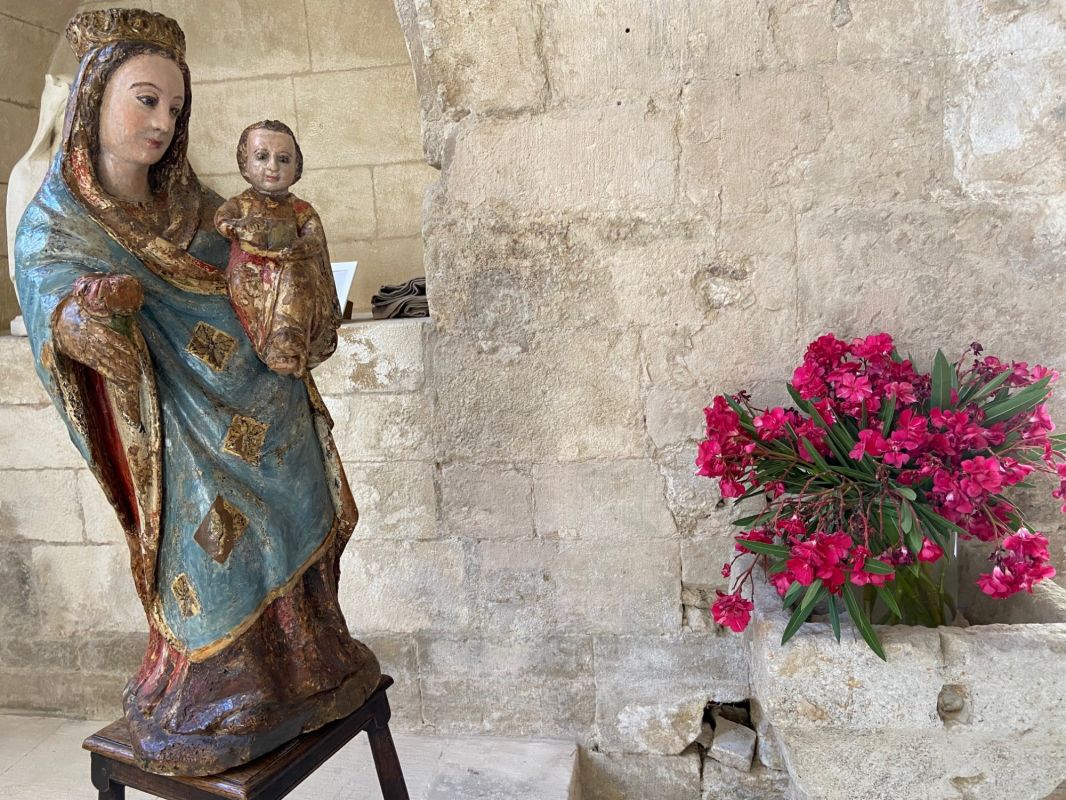
The statue of the Virgin and Child - 15th century
The richly dressed Virgin Mary carries the Baby Jesus on her left arm with a slight sway and holds a flower in her right hand. Her blue cloak, decorated with fine embroidery, is edged with ermine.
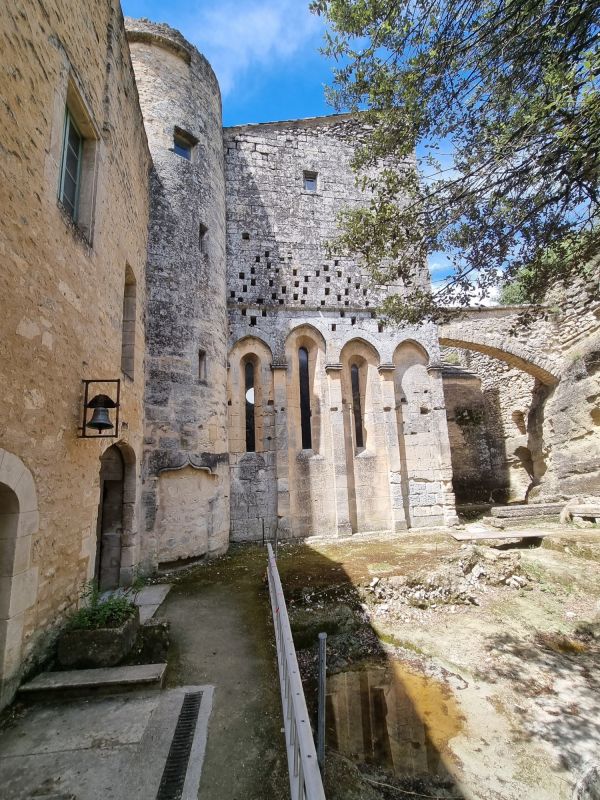
The dovecote
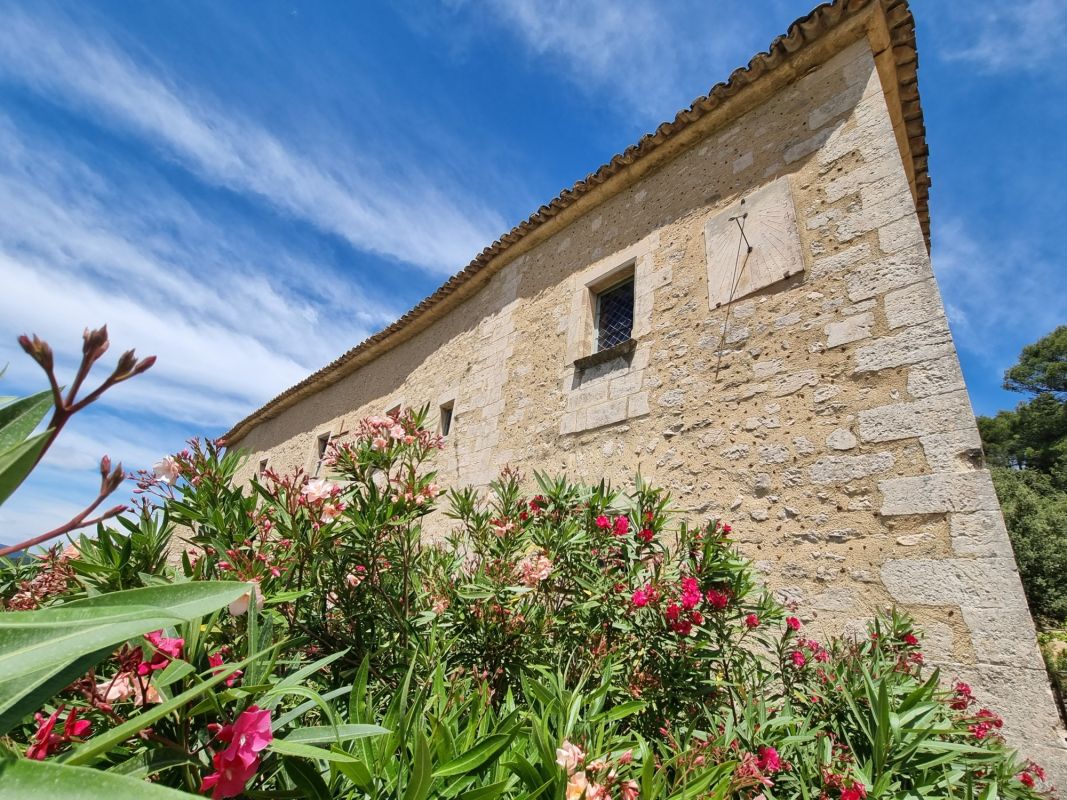
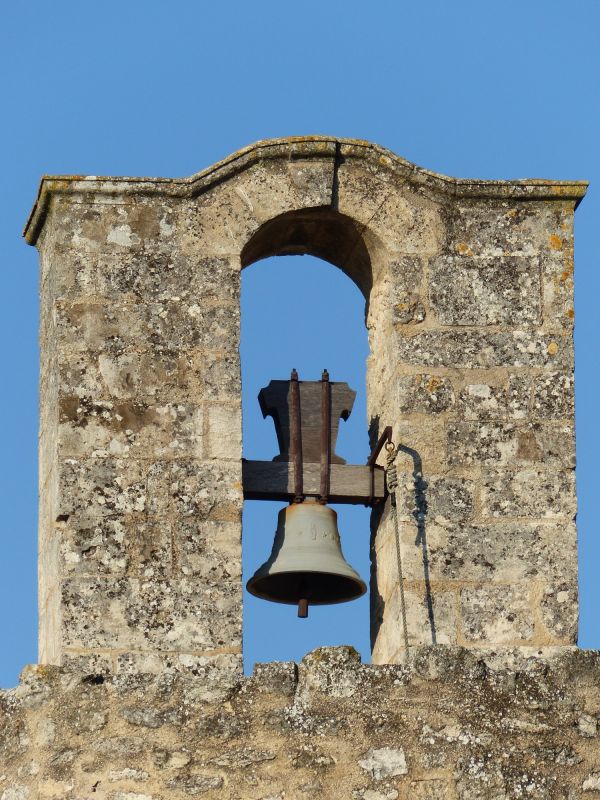
Above the three Gothic windows of the chevet, a series of holes are reminiscent of the dovecotes of the Middle East, where the Carmelites came from.
The 14th-century mural
In the middle of the nave, on the left, the 14th-century Gothic chapel is dedicated to Saint Anthony the Great. A 14th-century mural inspired by Piedmontese art was restored in 2001. Unfortunately badly damaged by damp, this crucifixion remains an exceptional example of religious pictorial art from this period in the Provence region.
The tombstone
The inscription recalls that the bones of nearly twenty-three monks found in the chapel and cloister during excavations carried out over the last forty years are gathered here.