Saint Nicholas
Route de Souxhon 258
4400 Souxhon (Flémalle)
Church | 1745 | | Catholic Church


Map
Opening hours
01 January - 31 December
Mon -
Tue -
Wed -
Thu -
Fri -
Sat 10.00 - 18.00
Sun 10.00 - 18.00
Religious offices
Description
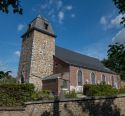
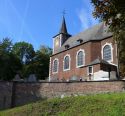
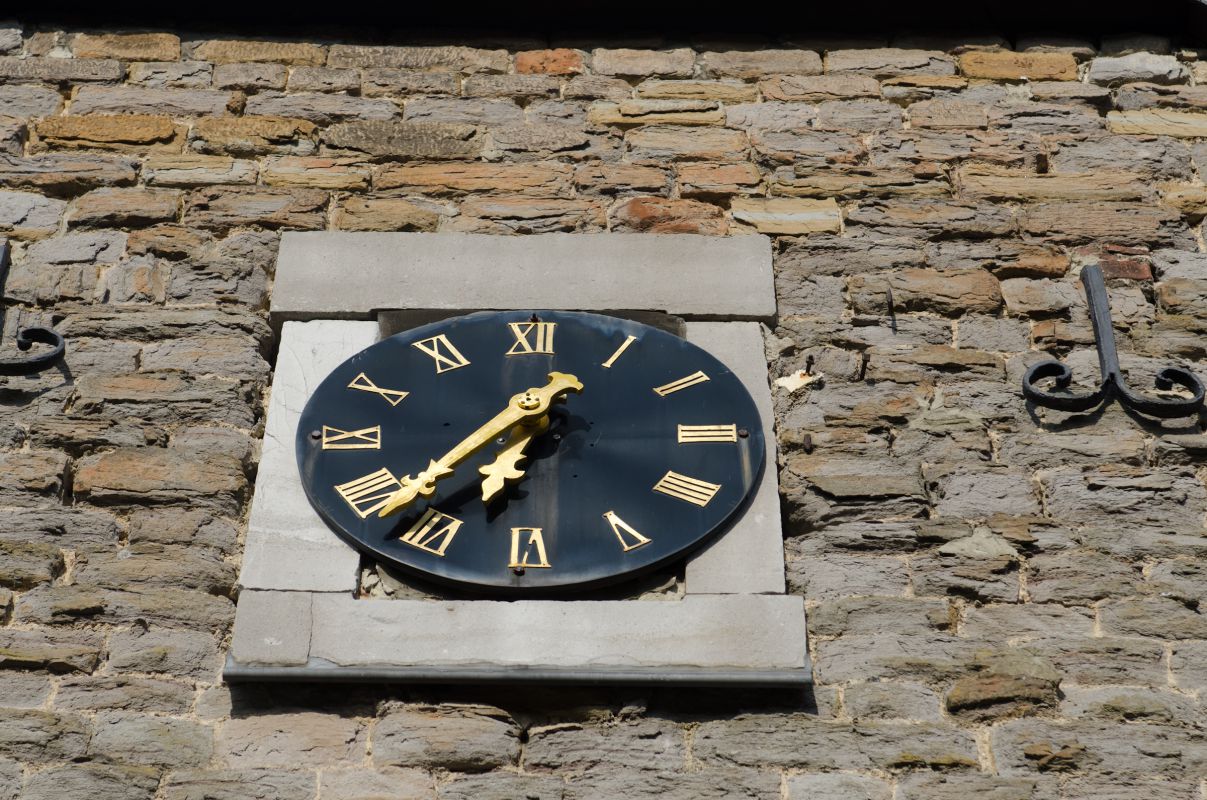
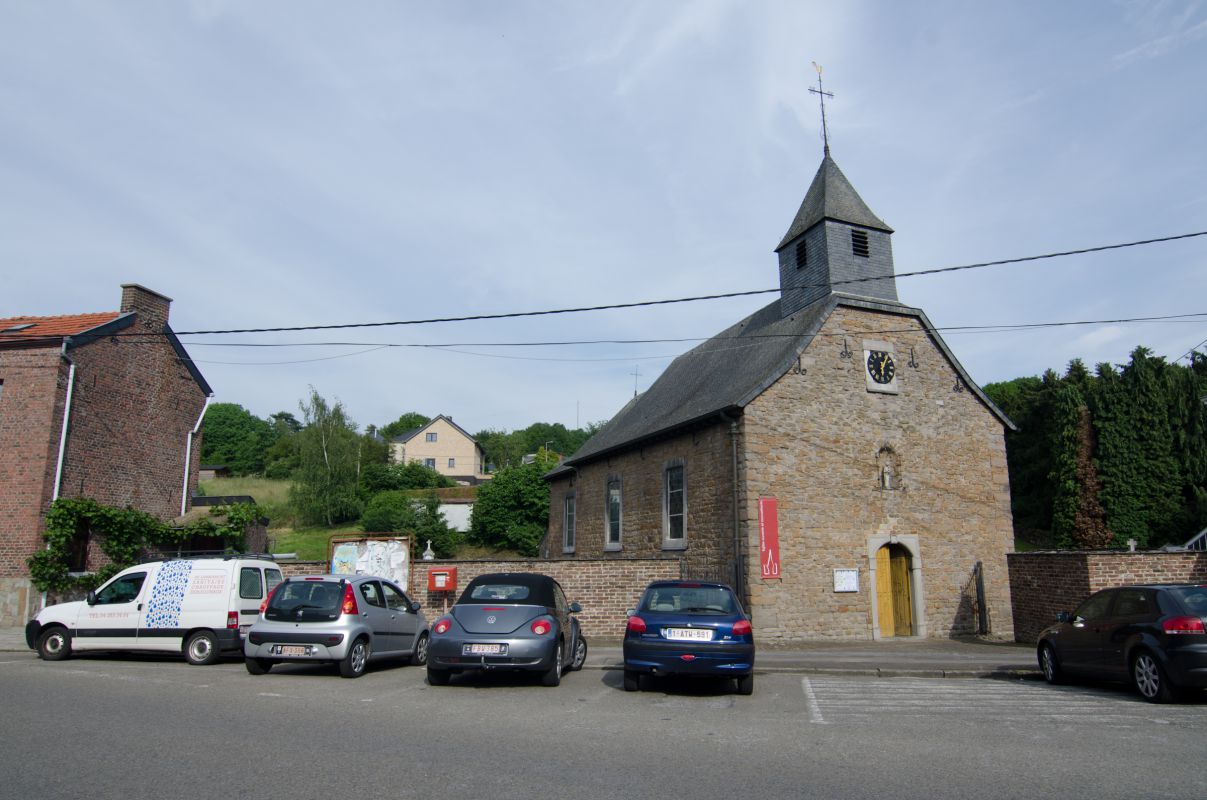
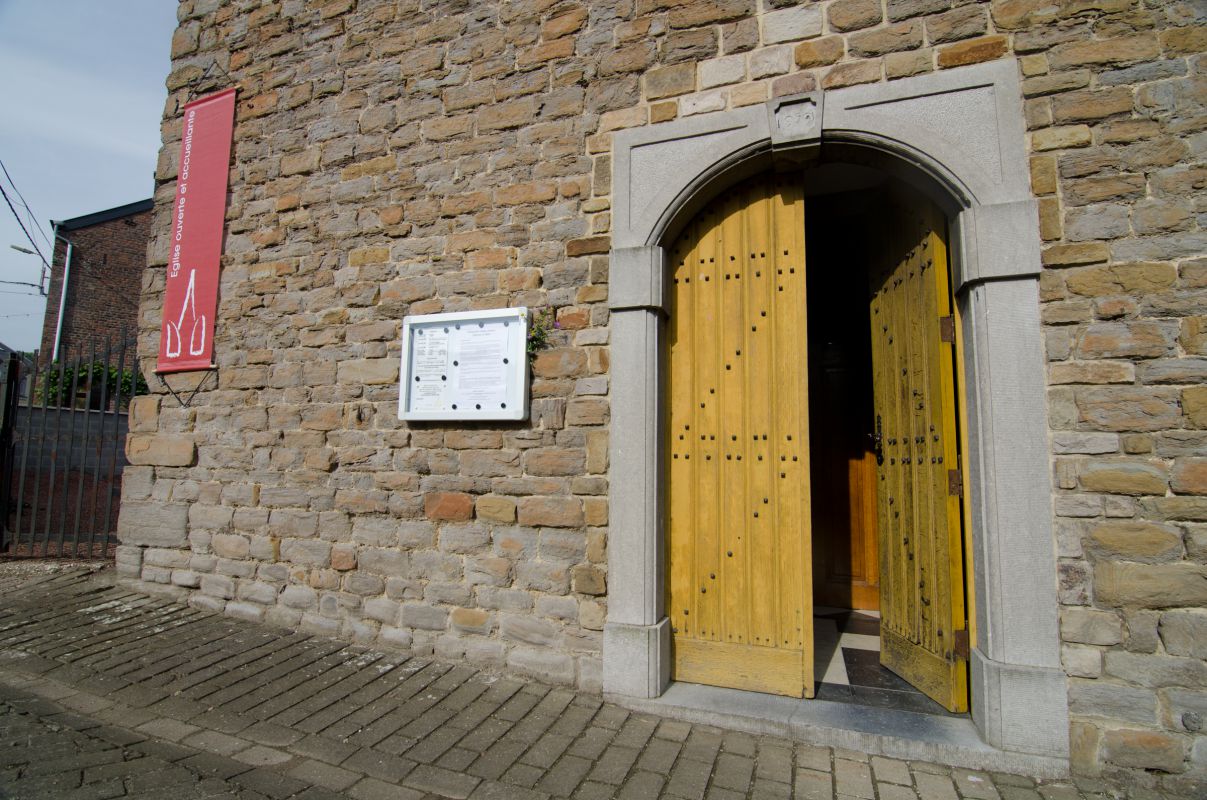
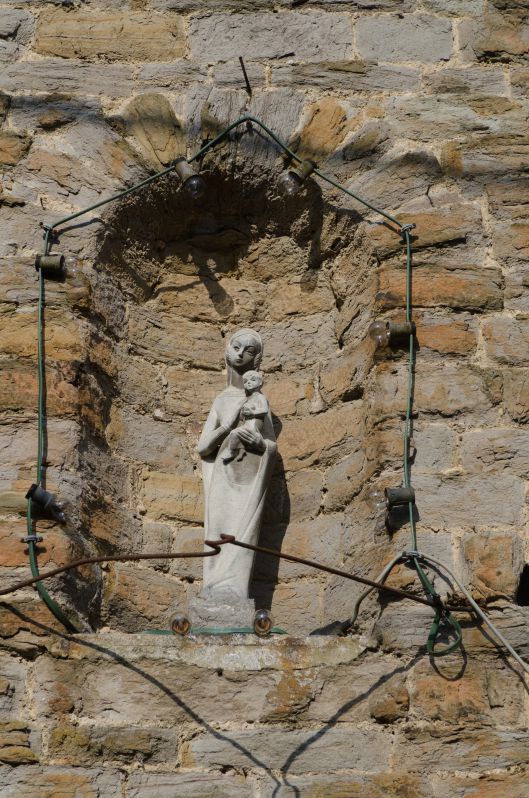
This small church (1745) in the centre of the village encircled by its old graveyard is undeniably charming. Outside, above the portico, is a delightful statuette of Our Lady carrying the Child.
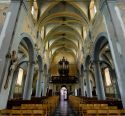
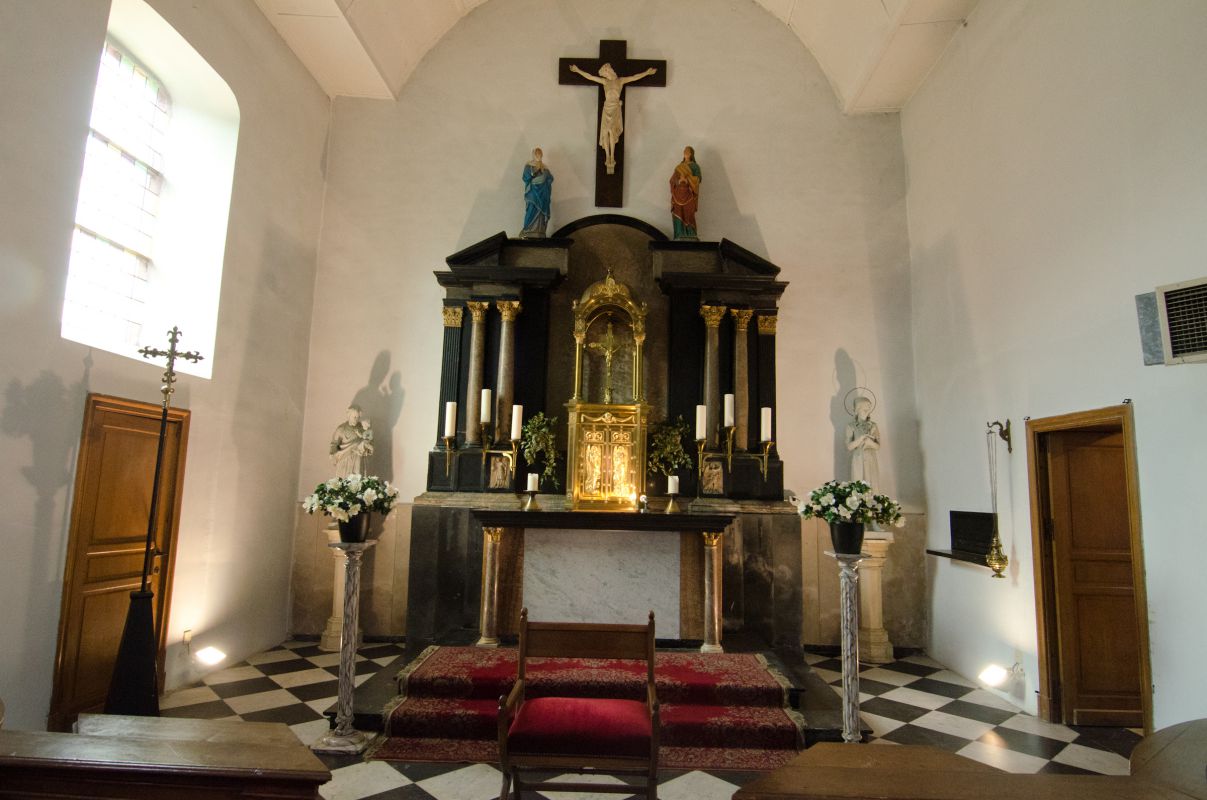
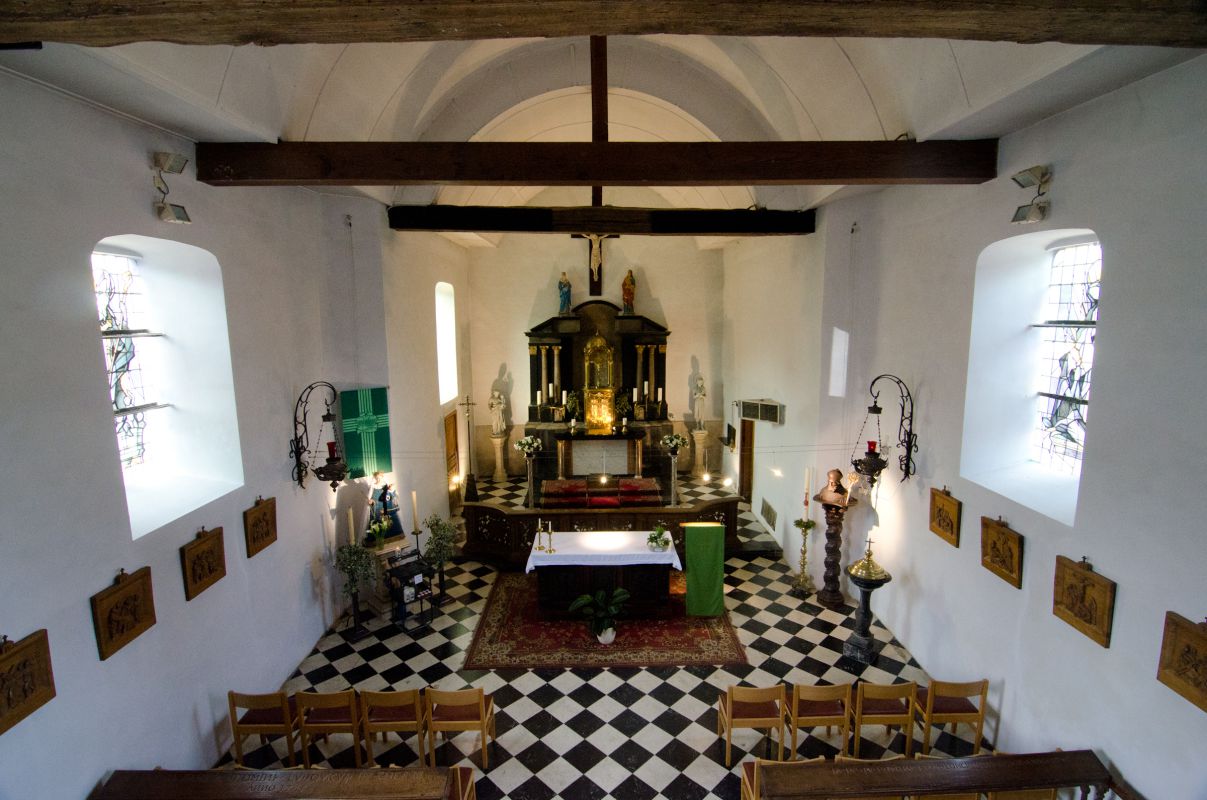
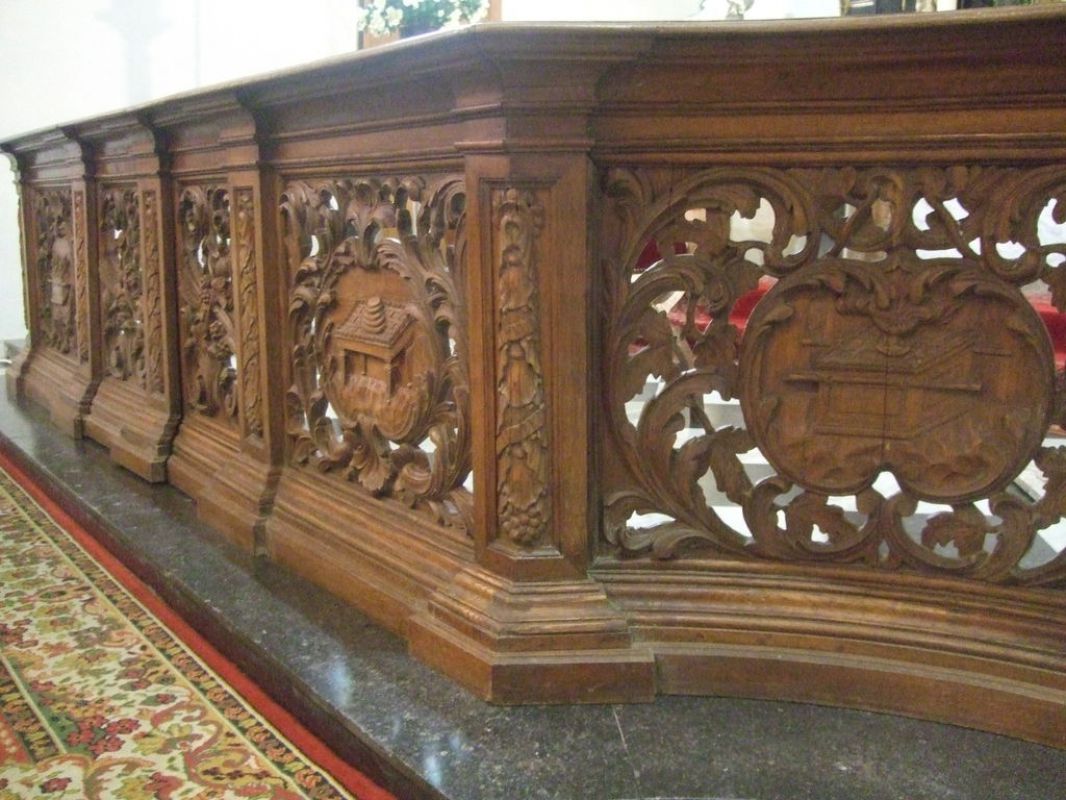
Inside, as well as the altar at the back of the choir, the communion bench (1786) is worth noting. Coming from Limbourg, it is in carved wood and depicts scenes from the Old Testament which foreshadow the Eucharist.
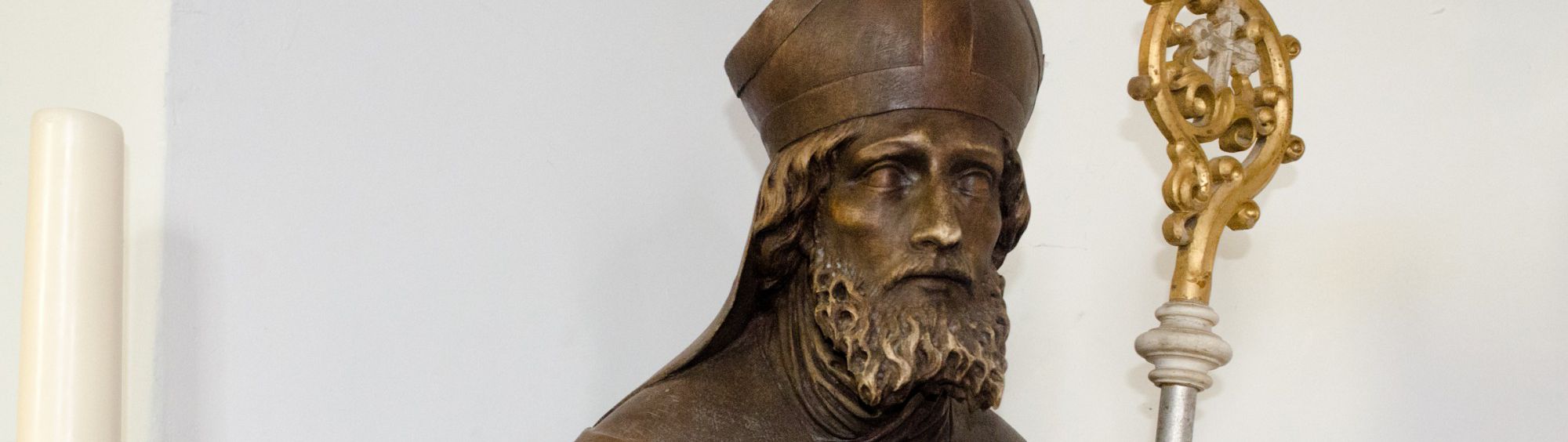
Nicholas, the patron saint of the parish is also present; his bust in wood is on a twisted wood column in the choir and he is also in one of the stained glass windows.
Photos

Remarkable elements
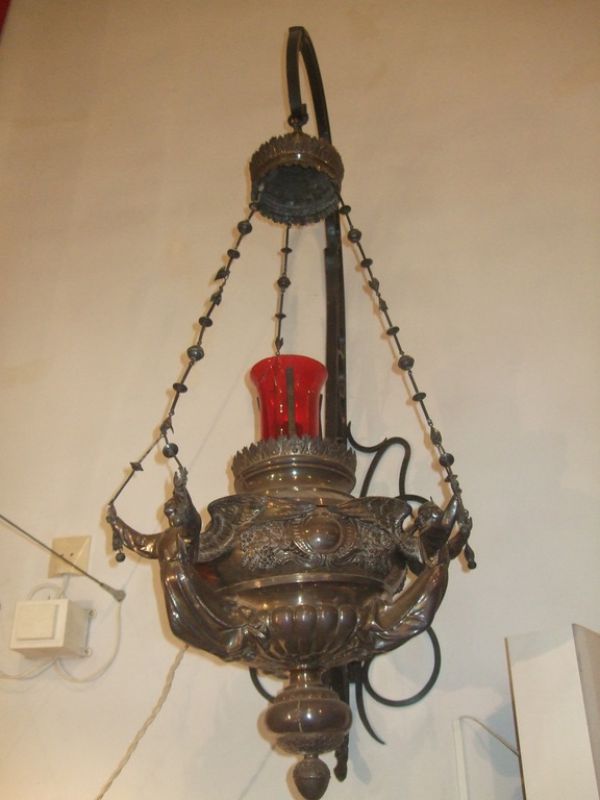
Luminaires
Hanging on either side of the choir entrance, they look noble. These two luminaires come from a castle chapel in Flanders, which was destroyed during the Second World War. They were acquired in the Saint-Georges auction hall in Liège for 10,000 Belgian francs. They are made of solid silver and date from 1868 (left) and 1869 (right).
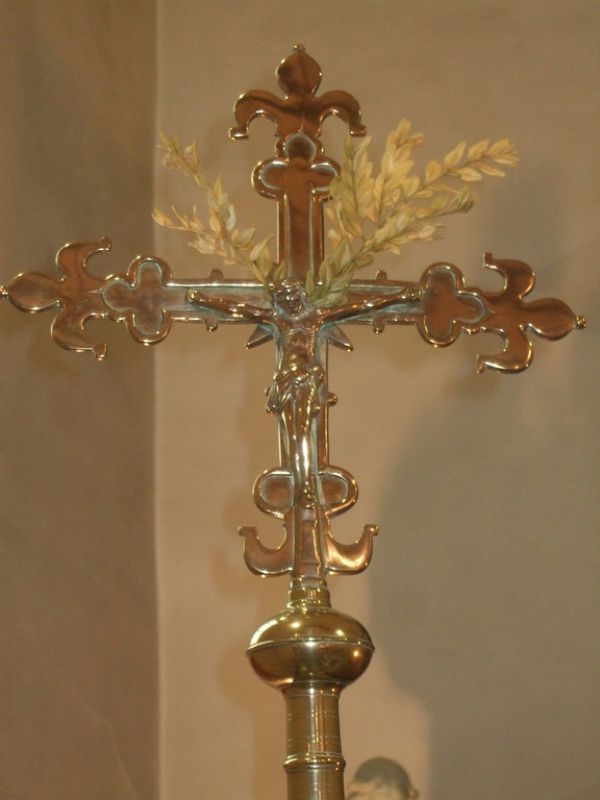
Brass cross
Standing in the choir, it offers to the disciples gathered for the Eucharist, the image of their crucified master, placed on a brass cross of glory dating from the 17th century.
Communion bench
This communion bench comes from an old priory of Norbertines and dates from 1786. Mr. Pastor Evrard discovered it in Oppiter in Belgian Limburg and could acquire it for the church of Souxhon. The art workshops of the Abbey of Maredsous restored it. Four beautifully carved panels depict scenes from the Old Testament.
Faithful benches
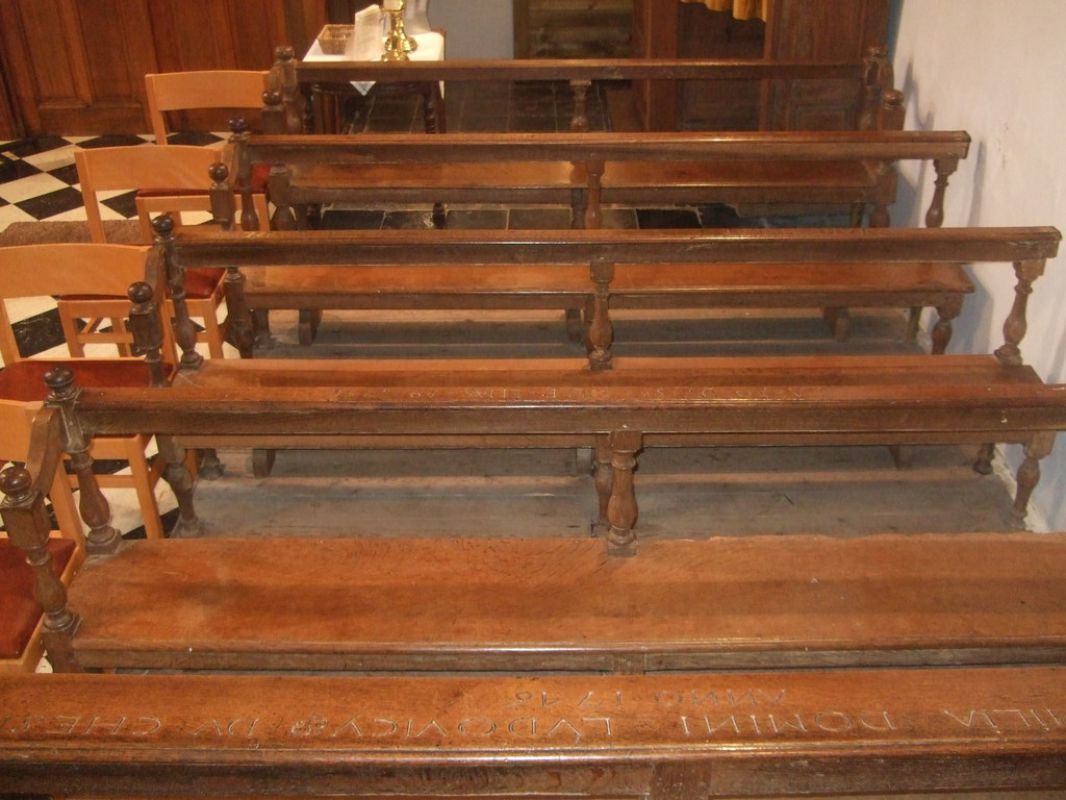
They date back to 1746 as evidenced by this date engraved on each of them.
Bells
The old bells, removed by the Germans in World War II except one, were replaced after a 1951 decision. The last bell was sent in October 1955 to be remelted. With the Tellin foundry in Luxembourg province, six new bells were made, each bearing the names of godparents and founders. Bishop Van Zuylen baptized them on December 6, 1955, and they were installed in January 1956. In 2013, craftsman Olivier Baudri repaired the carillon.

Stained-glass windows
Placed in 1955 and blessed by Bishop Zuylen on the feast of St. Nicholas.