Saint Hubert
Schloßstraße 46
4710 Lontzen
Church | 1770 | Romanesque | Catholic Church


Map
Opening hours
01 April - 30 September
Mon 9.00 - 19.00
Tue 9.00 - 19.00
Wed 9.00 - 19.00
Thu 9.00 - 19.00
Fri 9.00 - 19.00
Sat 9.00 - 19.00
Sun 9.00 - 19.00
01 October - 31 March
Mon 9.00 - 17.00
Tue 9.00 - 17.00
Wed 9.00 - 17.00
Thu 9.00 - 17.00
Fri 9.00 - 17.00
Sat 9.00 - 17.00
Sun 9.00 - 17.00
Guided tour
+32 87 65 22 58
Religious offices
Sunday 11am
Description

Photos




Media
Remarkable elements

The history of Saint-Hubert church
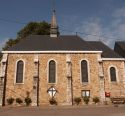
The current limestone church replaces the late 14th century Gothic church and a first 11th century chapel dedicated to Saint Hubert. Its foundations were rediscovered at the beginning of the 21st century when the heating system was renovated. The current building was built between 1768 and 1771 according to the plans of the Italian architect Joseph Moretti. A major series of exterior and interior renovations followed one another during the first two decades of the 21st century.
A particular architecture
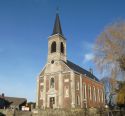
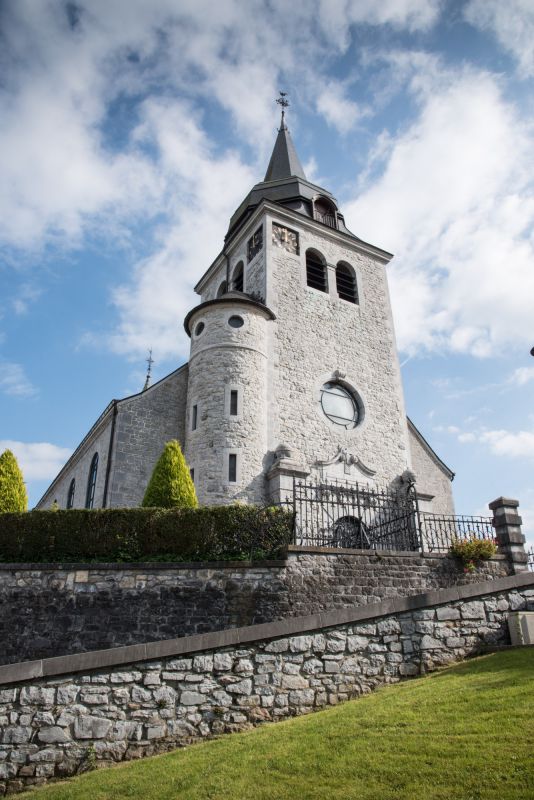
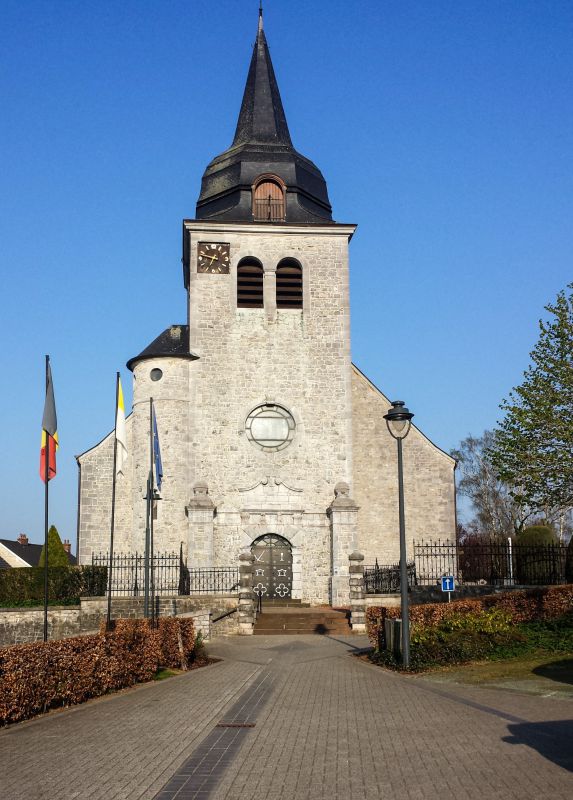
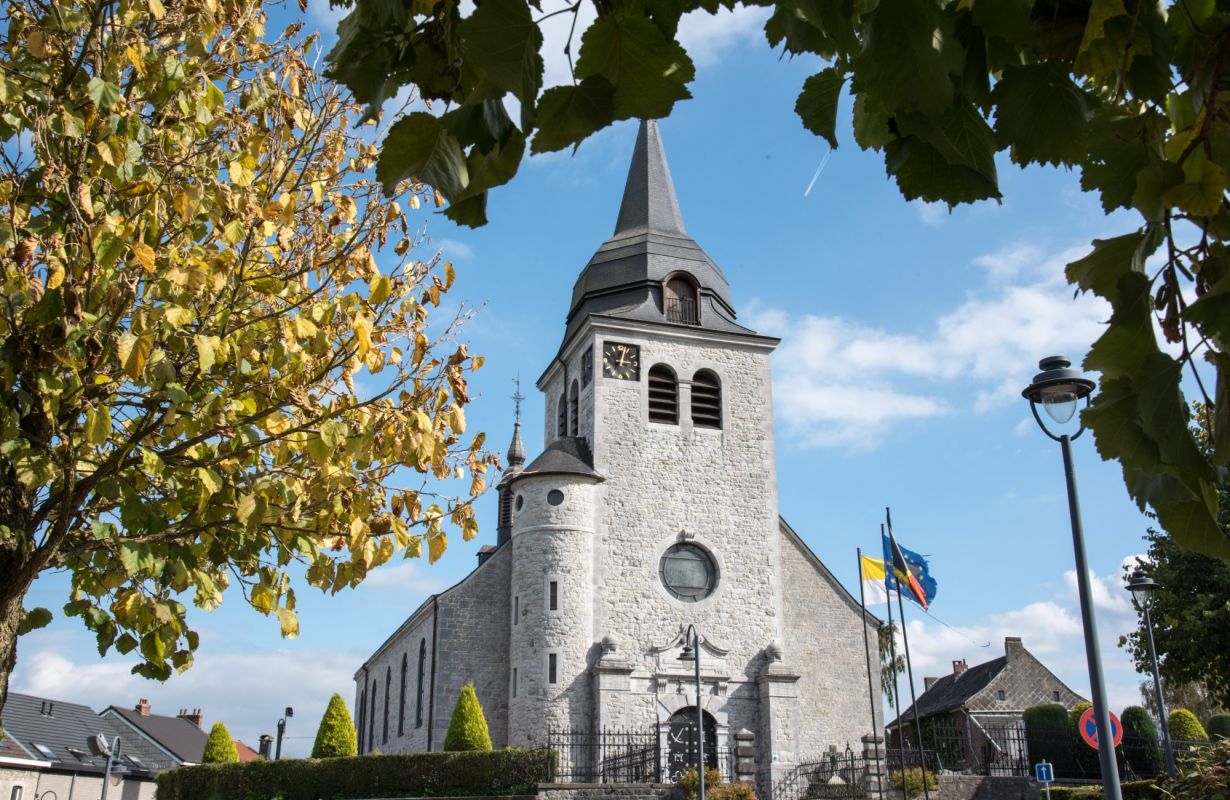
Built on a hill with a surrounding wall on the north side, the present church underwent surprising work in 1910 and 1911 when the classic spire of the churches in the region had to be demolished. It dated from the church before 1768 and threatened to be ruined. At that time, the tower on the façade was raised and surmounted by an octagonal bell tower that is atypical for the region and which is now its main feature. We also note the two clock dials fixed to the northwest corners of the tower.
The Baptismal Chapel
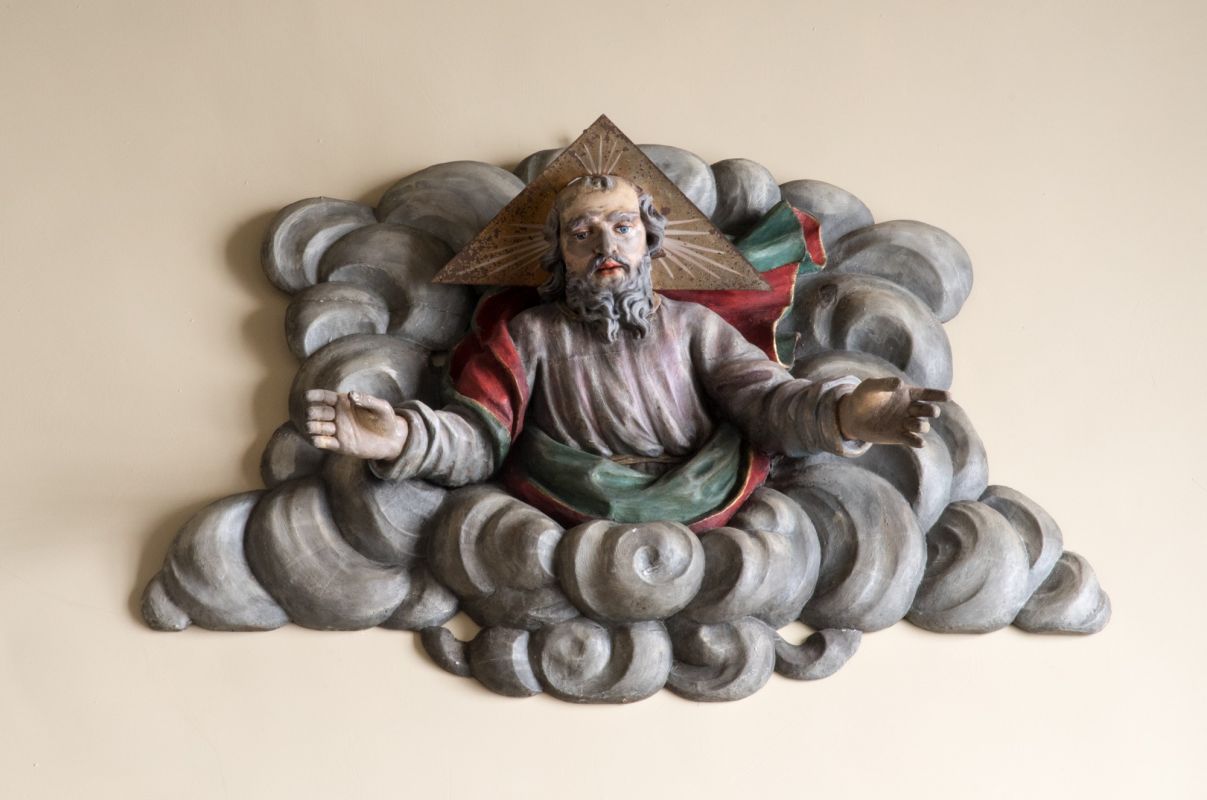
The chapel contains rich and very fine 18th century decorations that were not replaced in 1906/1908 and a bust of God the Father in the clouds (1770). Baptismal fonts from the 19th century.
Vault paintings
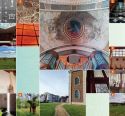
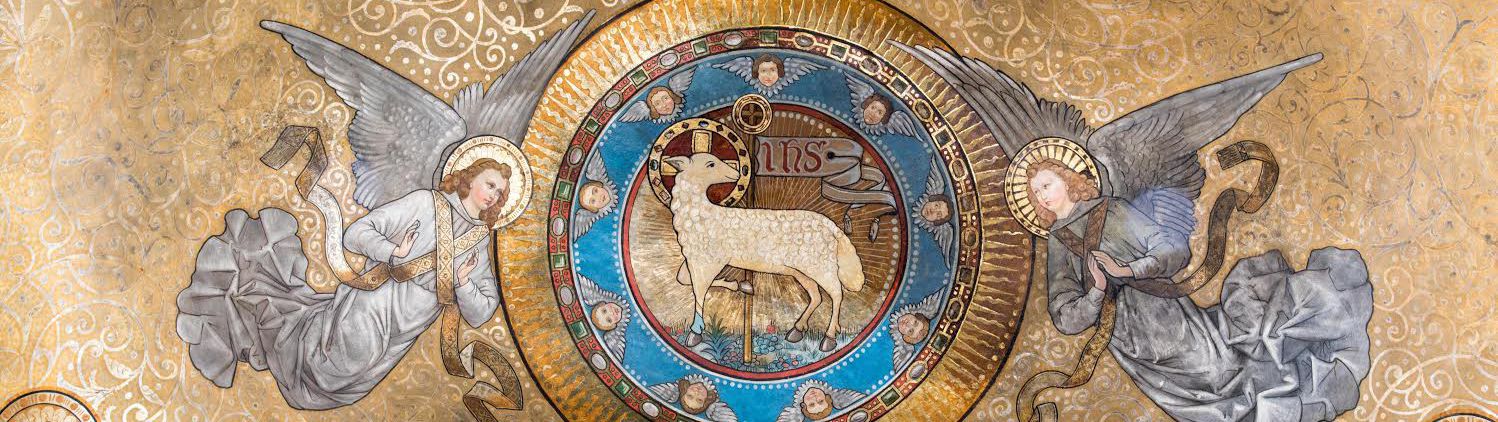
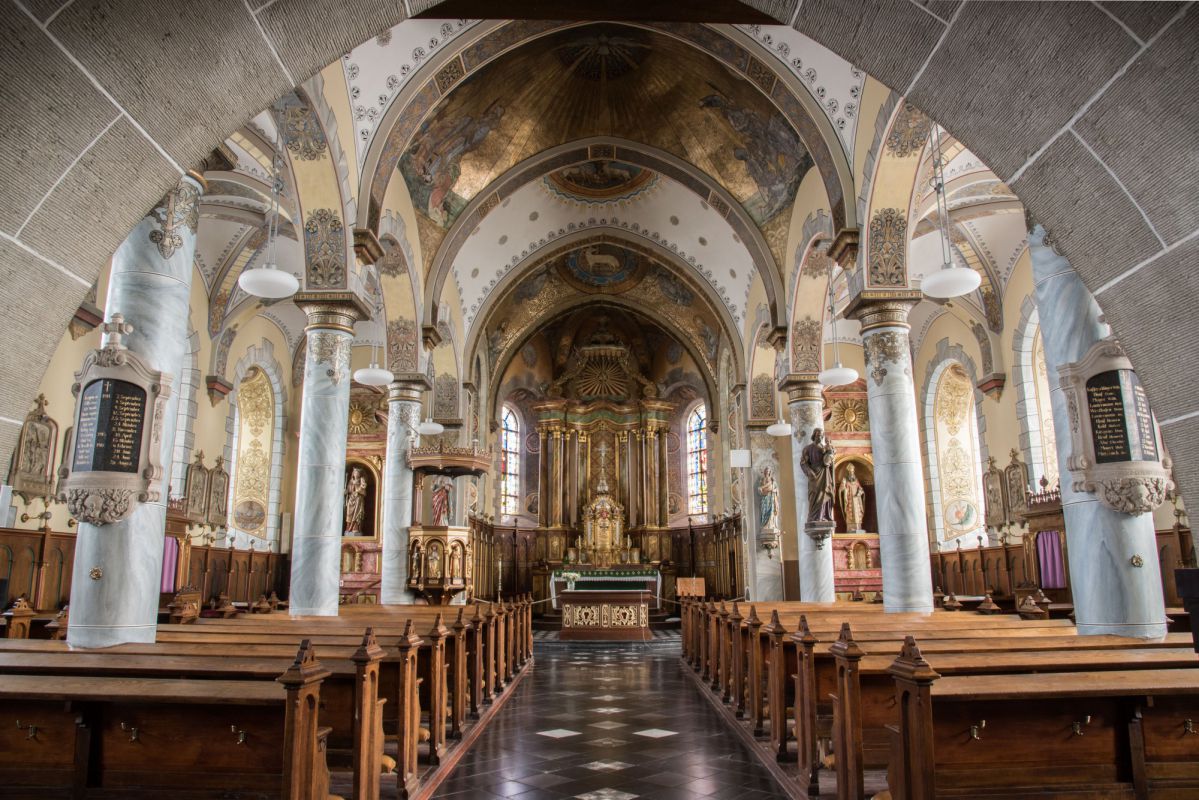
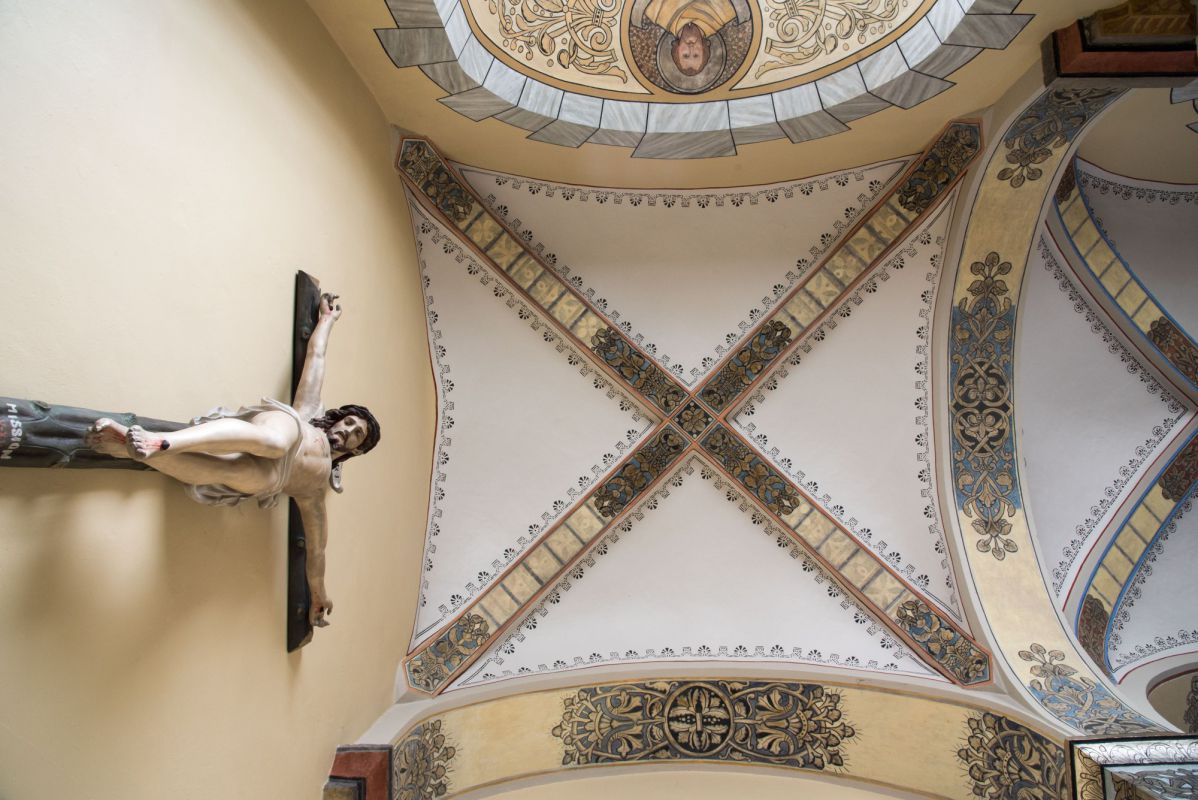
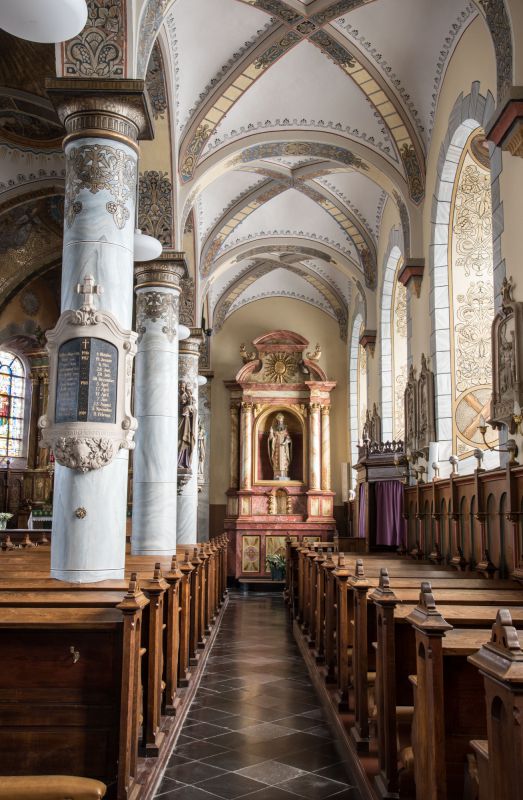
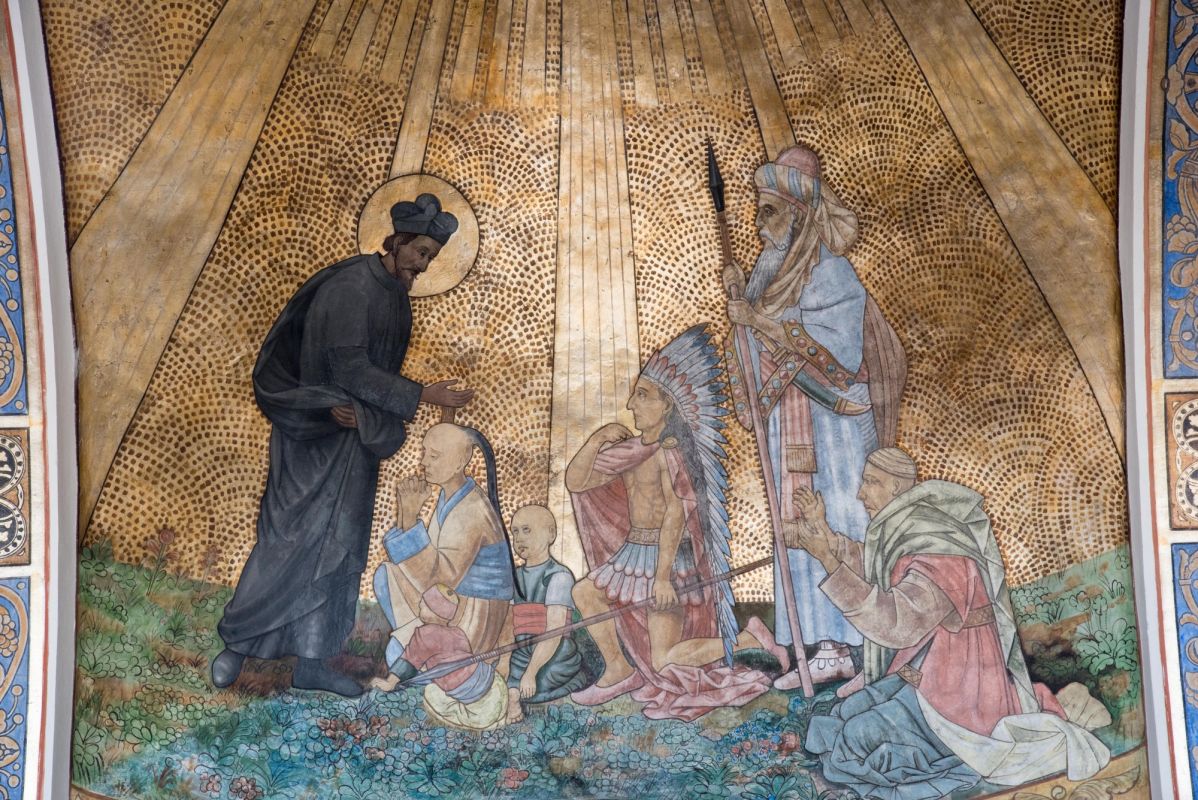
These exceptional paintings, created between 1906 and 1908 by Aachen artist Carl Bränner, depict major biblical scenes: the Paschal Lamb with the evangelists, the stag symbolizing longing for God, doves at the spring of living water, the conversion of pagans by Saint Boniface and Saint Francis Xavier, the Holy Spirit’s dove, Noah’s Ark, and a later medallion of Saint Cecilia among angels. Some are gilded and extend onto the columns.

Altars and furniture of the church
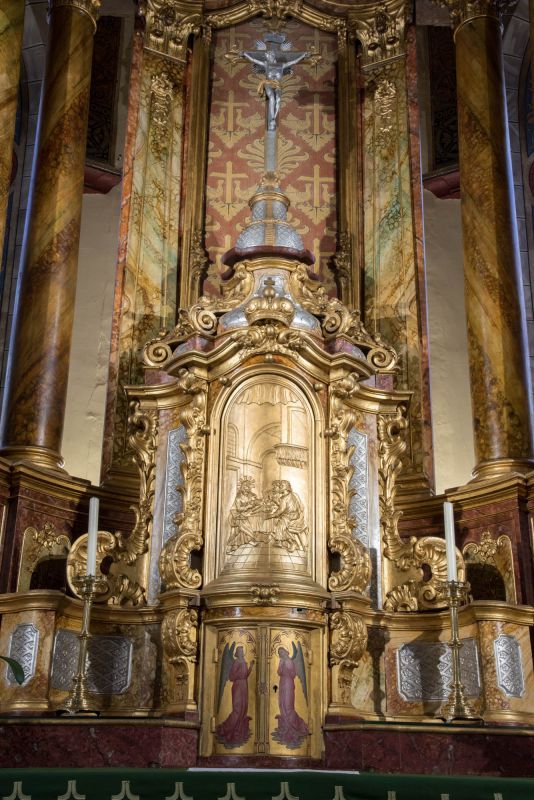
The high altar, built in 1776 by Köhler, features an altarpiece with a pediment forming a canopy supported by six tall columns. The 2017 restoration revealed its colours and the tabernacle scenes of the disciples of Emmaus. The side altars—Saint Hubert on the right and the Virgin and Child on the left—are slightly later. The communion bench and confessional date from 1772, while the pulpit, woodwork and Way of the Cross date from the 1870s.

Windows
The side window niches display medallions of the 12 apostles with their attributes. Except for Saint John, all were martyred, shown by olive branches and the instruments of their martyrdom. The choir’s stained glass depicts Saints Hubert and Wendelin, patrons of farm animals, created by the same Ghent workshop that made the Saint Cecilia window in the tower above the porch.