
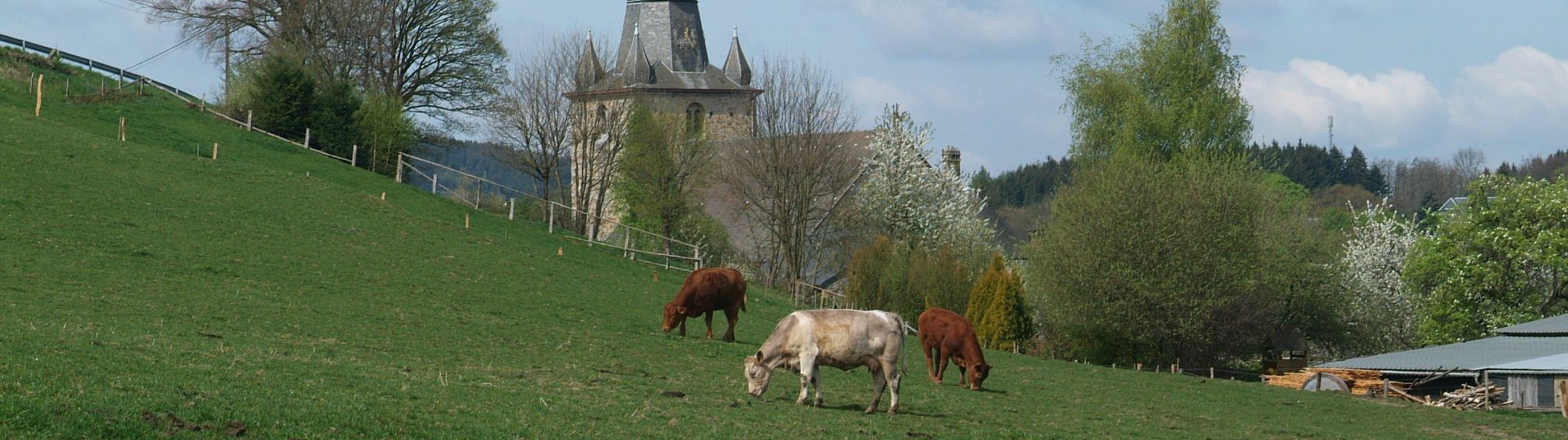
Saint Andrew
Rue du Centre 75
4990 Lierneux
Church | 1961 | neoromanesque | Catholic Church


Map
Opening hours
01 January - 31 December
Mon 9.00 - 18.00
Tue 9.00 - 18.00
Wed 9.00 - 18.00
Thu 9.00 - 18.00
Fri 9.00 - 18.00
Sat 9.00 - 18.00
Sun 9.00 - 18.00
Religious offices
Sunday 10 am
Tuesday and Thursday 7 pm
Wednesday and Friday 8 am
Description
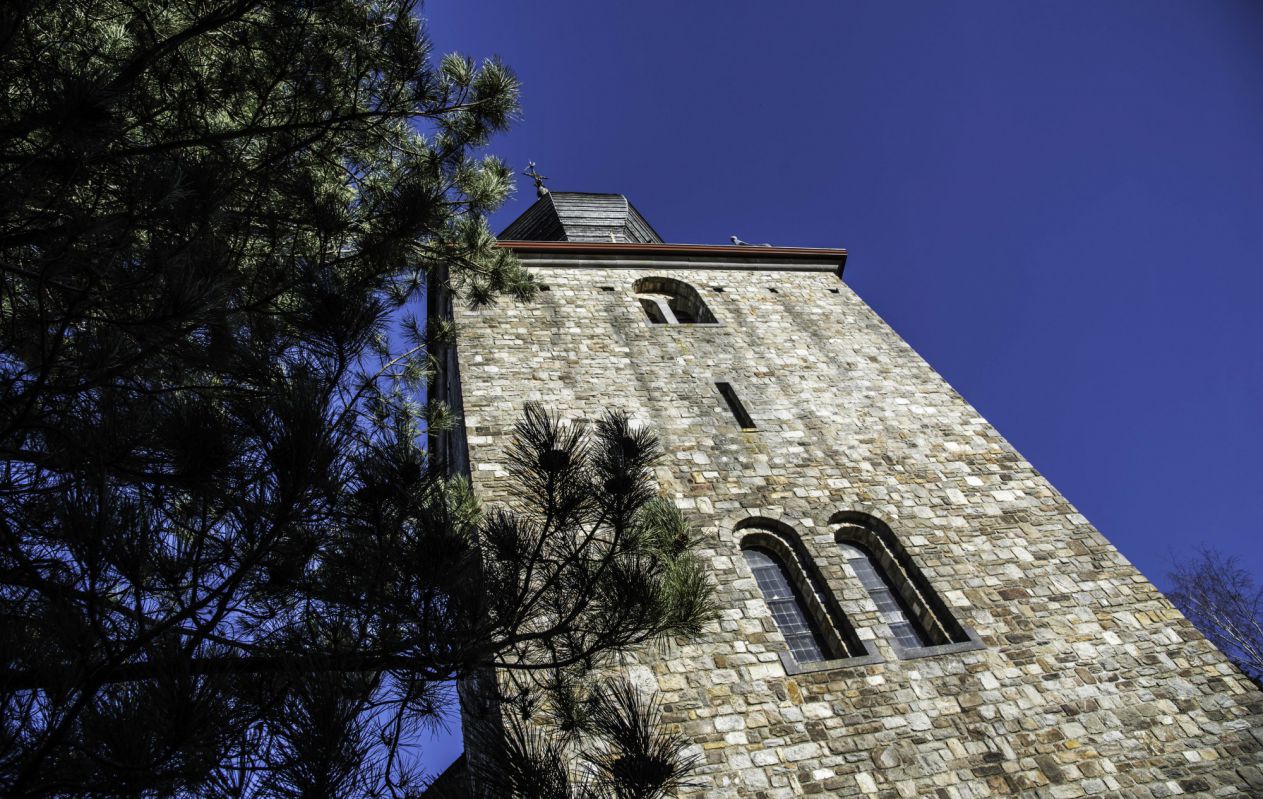
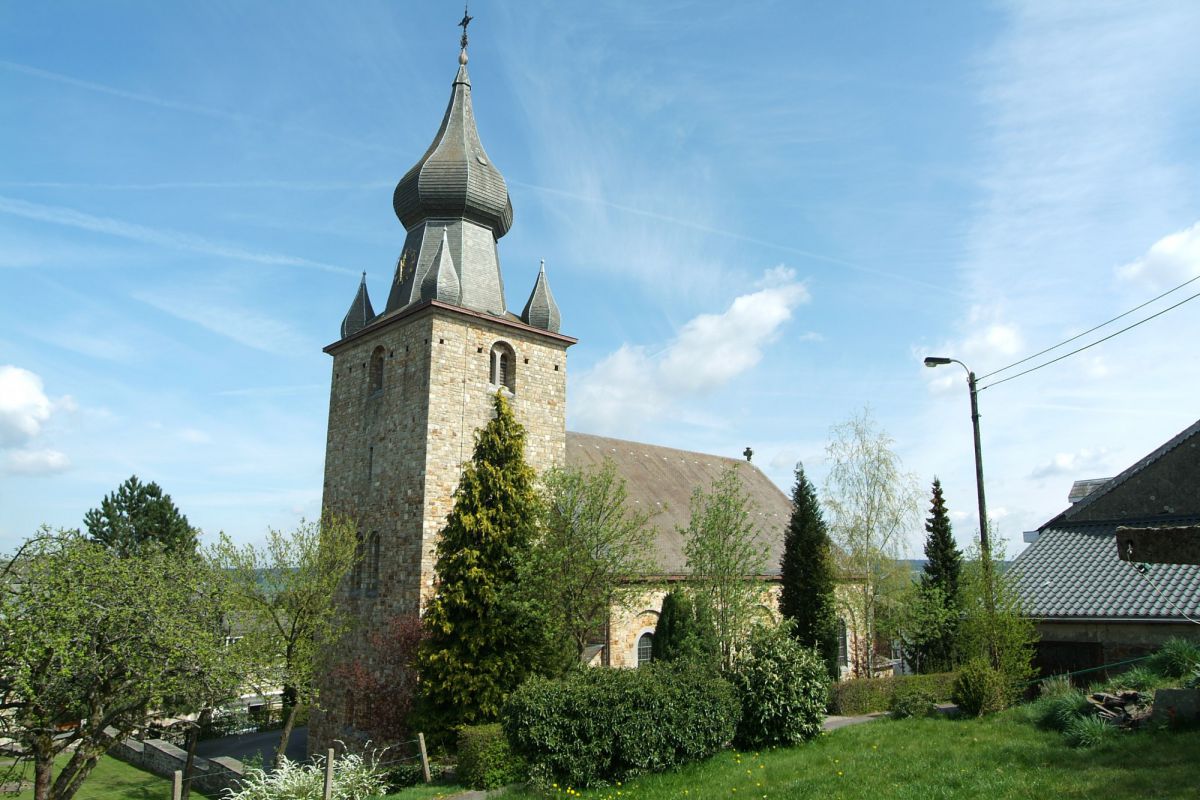
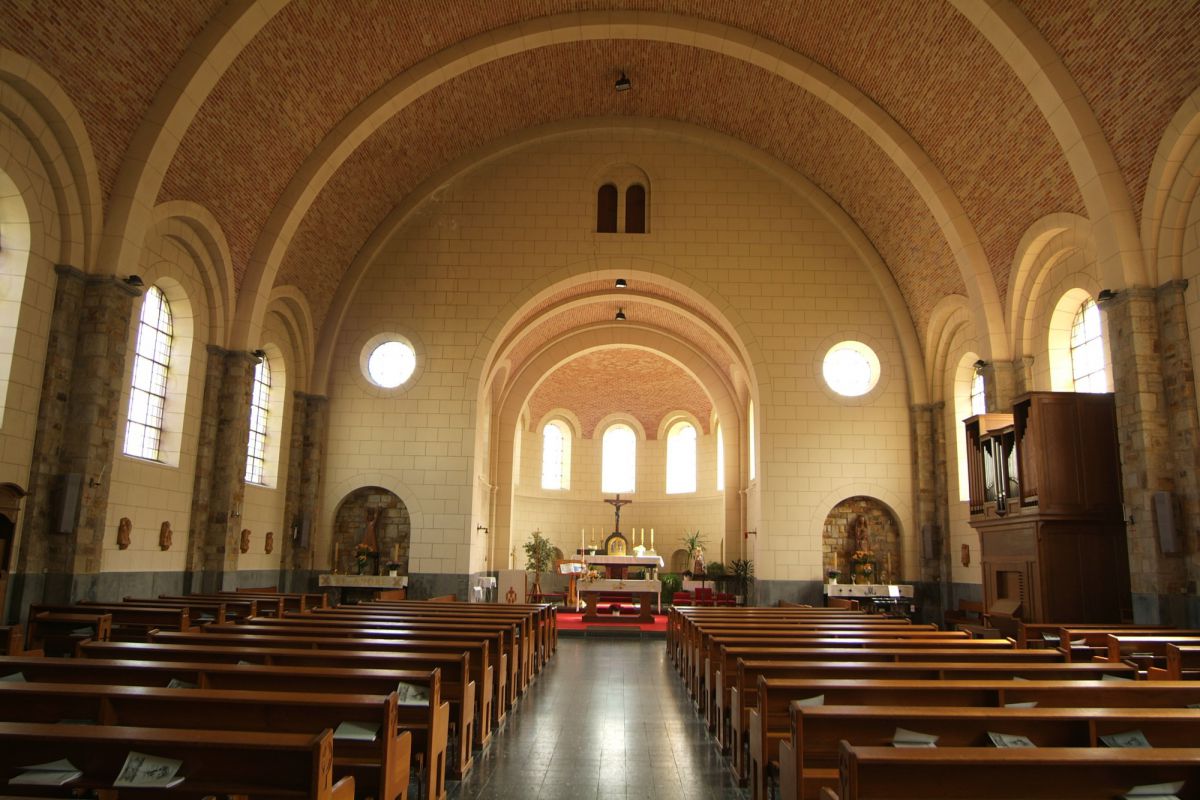
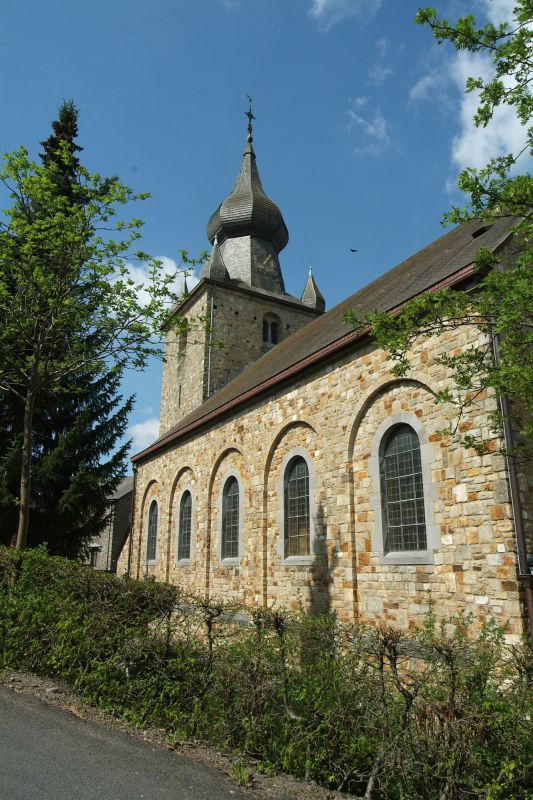
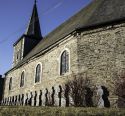
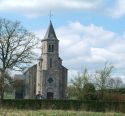
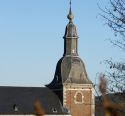
Following the damages of time and the Battle of the Ardennes in the winter of 1944-45, the old sanctuary, the first traces of which go back to 692, was destroyed and rebuilt at the beginning of the 1960s in the Neo-Romanesque style. On the exterior one will admire the beautiful dome-shaped bell tower and its four pinnacle turrets. In the interior, the choir with a circular apse opens onto a unique rectangular nave.
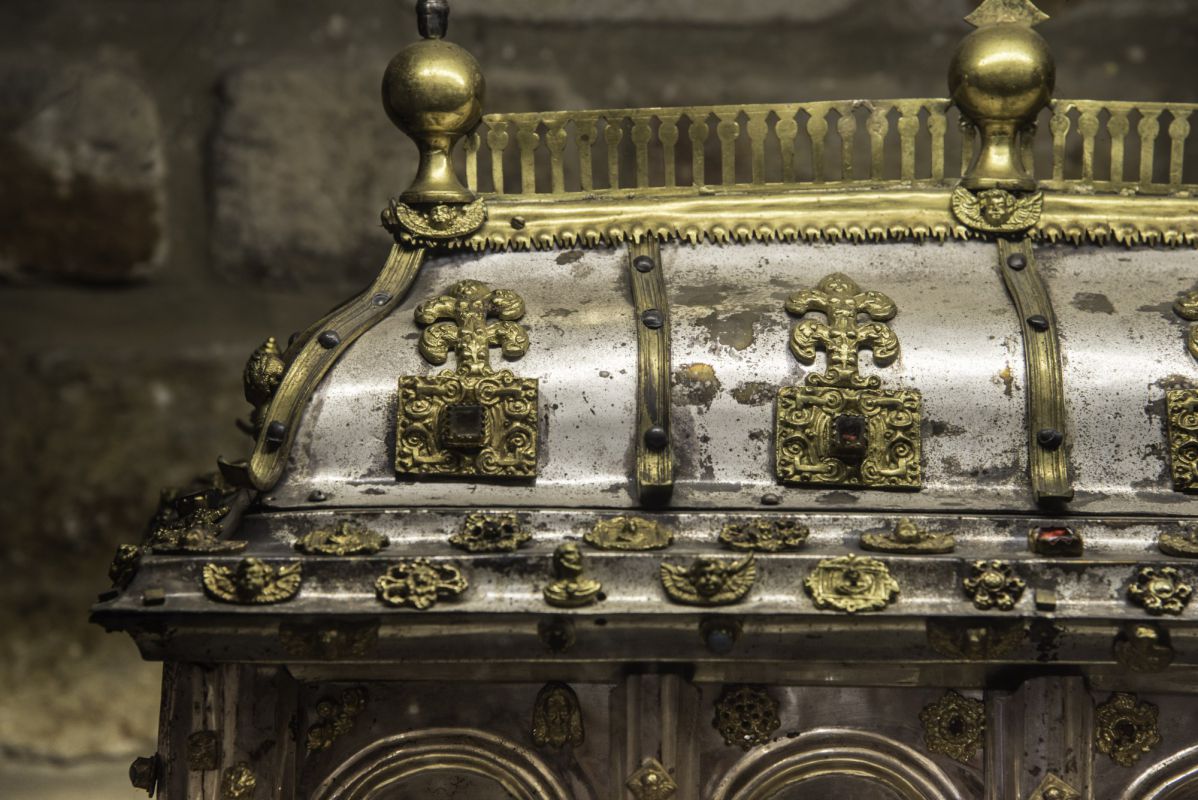
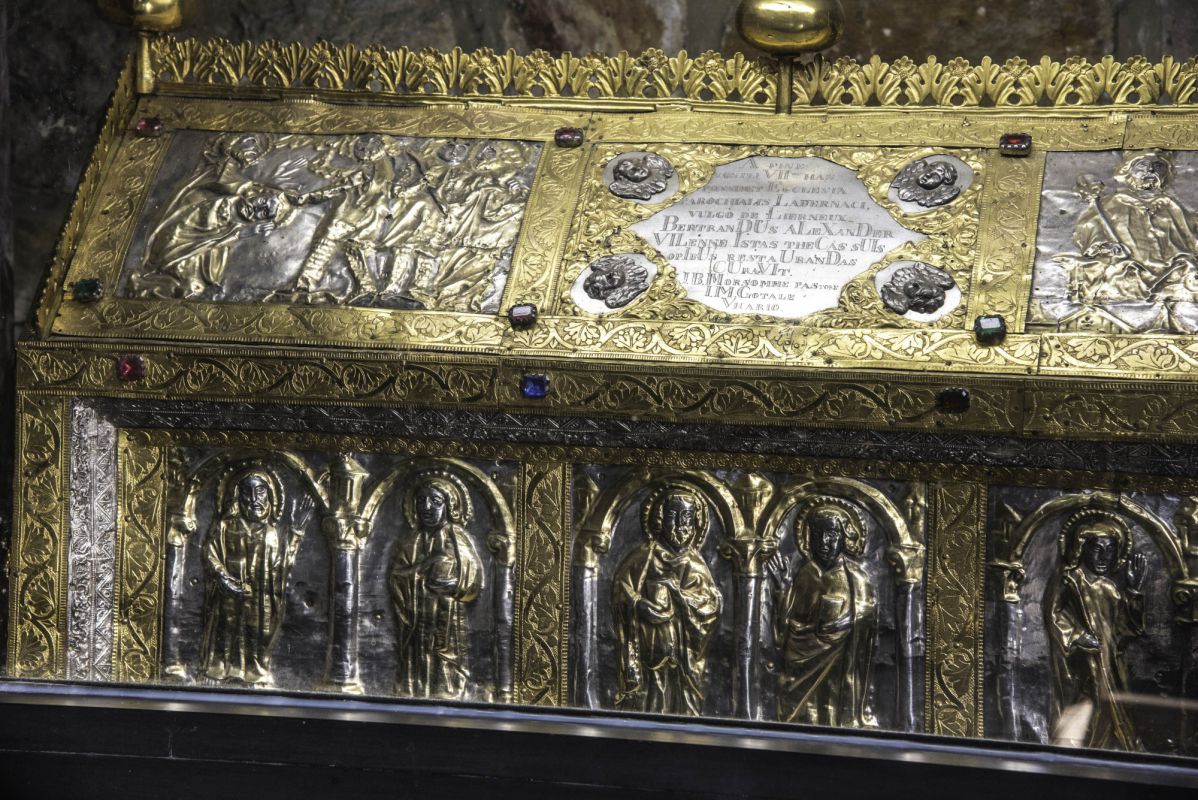
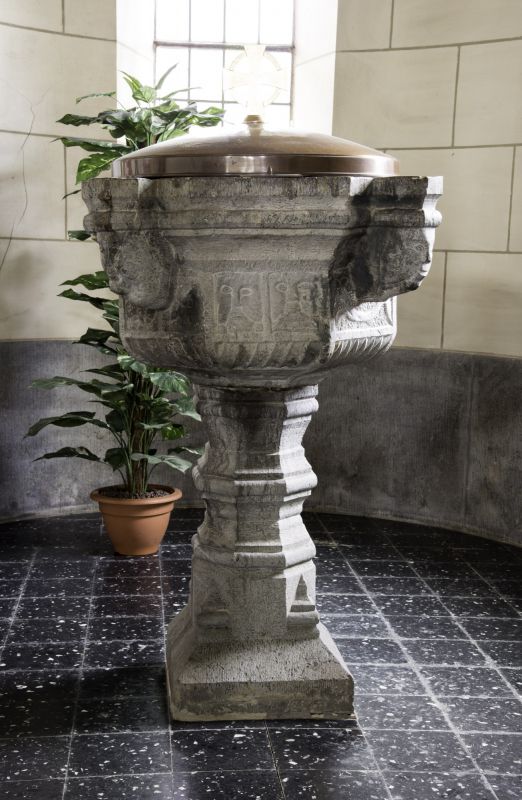
Here the baptismal fonts from the 16th century have been kept, and under the altars of the aisles the shrine of Saint Andrew (17th century), and above all that of Saint Symetre (13th century). A beautiful example of goldsmithing work in the Rhineland-Romanesque tradition. Saint Symetre is a saint who is not well known (perhaps a Roman martyr) but as they say in Lierneux with humour, surely a very "great" saint… with a name like that…
Two beautiful tombstones with coats of arms should also be noted in the chapel in the back.
KIKIRPA : Photo-library online

Photos





Remarkable elements
Shrine of Saint Symetre
The church of Lierneux, dedicated to Saint André, was once linked to Saint Symetre, a little known 2nd century martyr buried in Rome. His 13th century silver shrine shows key traits of Mosan art: a chest like form with a roof, boxed panels, embossed and chiselled reliefs, and uniform faces with faint smiles. Though not a masterpiece, it remains a rare example of Mosan art’s influence on popular art of the time.

Shrine of Saint Andrew
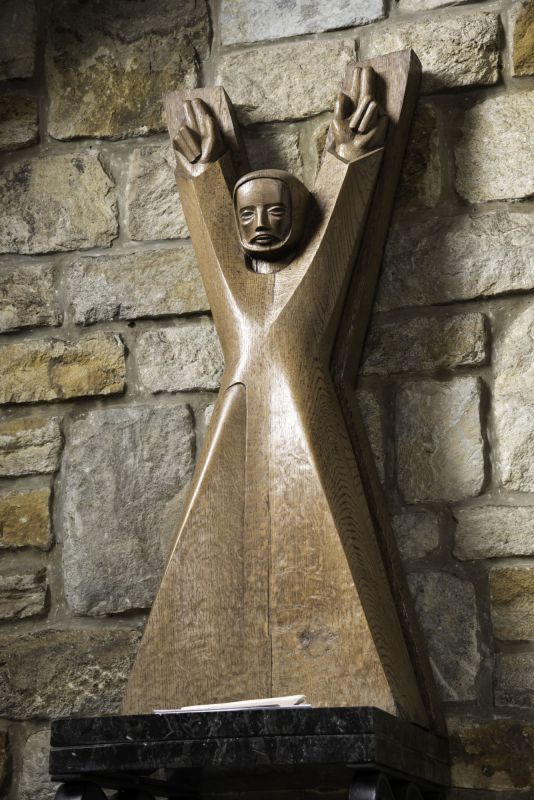
Under the right altar is the shrine of Saint Andrew, an apostle, brother of Saint Peter, crucified on an X-shaped cross. This silver hunt is three centuries older than that of Saint Symetre. As it does not correspond in any way to what is found in the Mosan and Rhine regions, it is usually described as a "German" work.
Baptismal fonts
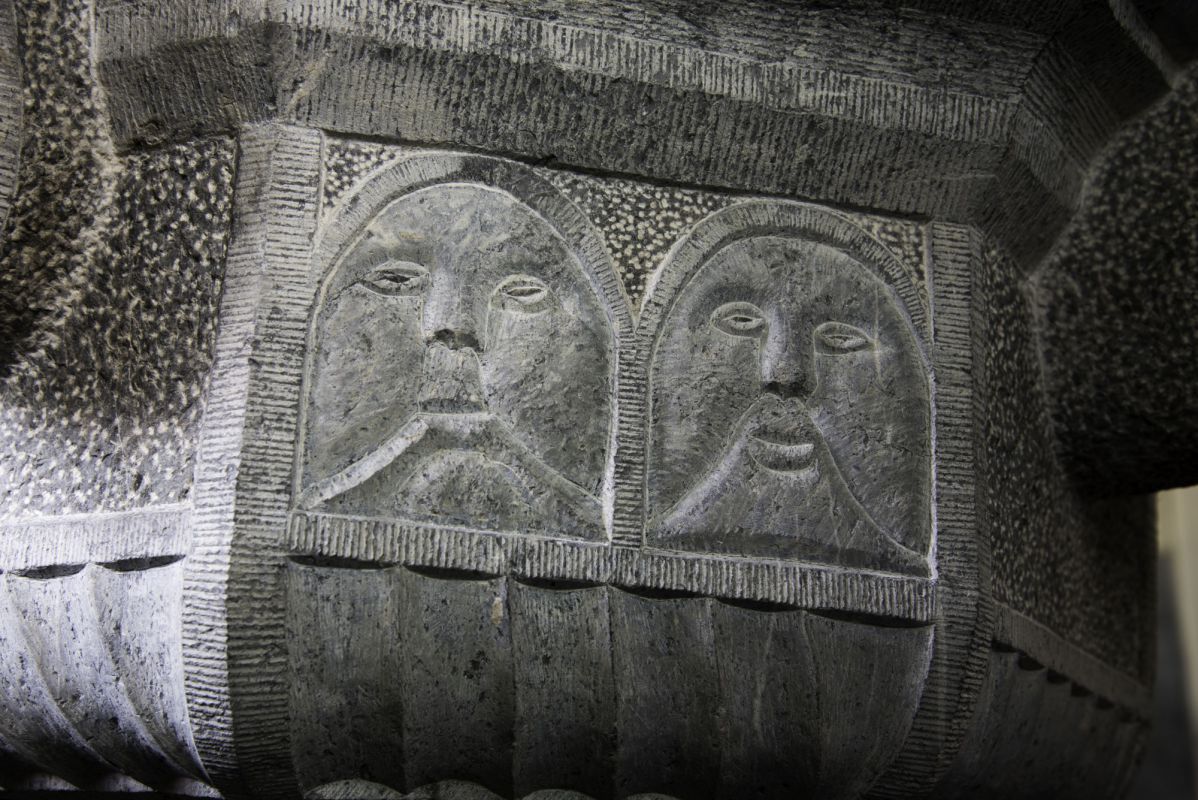
The baptismal font, which dates back to the 16th century, reminds us that the church was built in ancient times. They are made of carved blue stone. We can recognize the effigy of the four rivers of Paradise, as well as several faces in low relief, of a very naive construction.
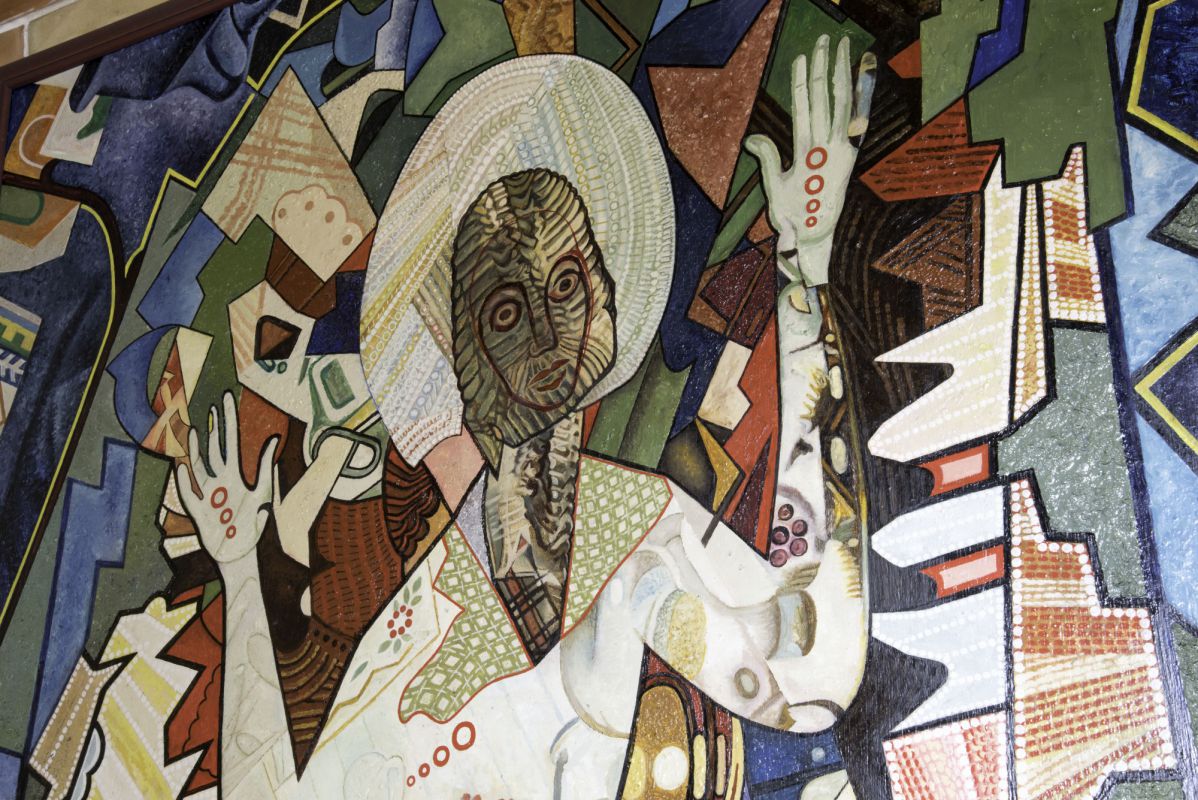
"The Resurrection of Jesus" by André Simar
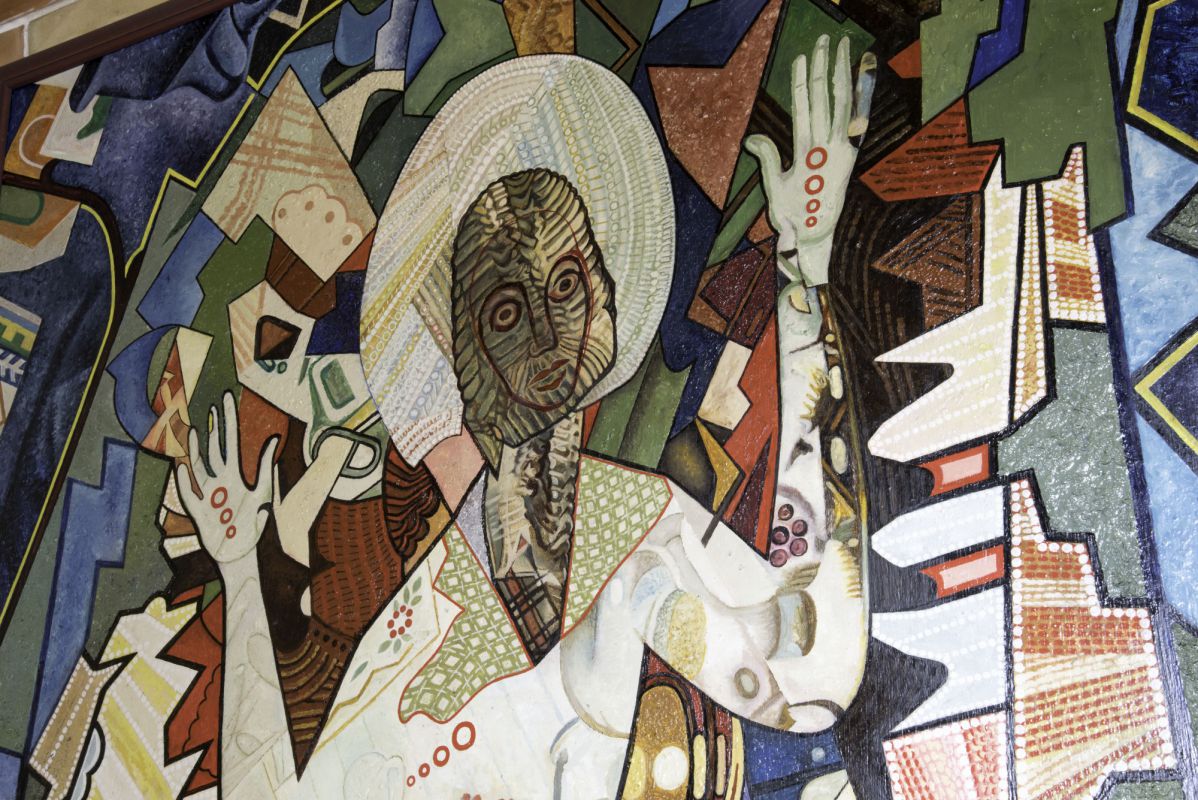
In the baptismal chapel is a work by the painter André Simar (born in 1927), entitled "The Resurrection of Jesus". The artist, fascinated by colour since childhood, produces an atypical and abundant work that explodes with life and energy. His fragmented style draws from different registers: the comic strip but also stained glass and collage while borrowing techniques from both pointillism and mosaic.
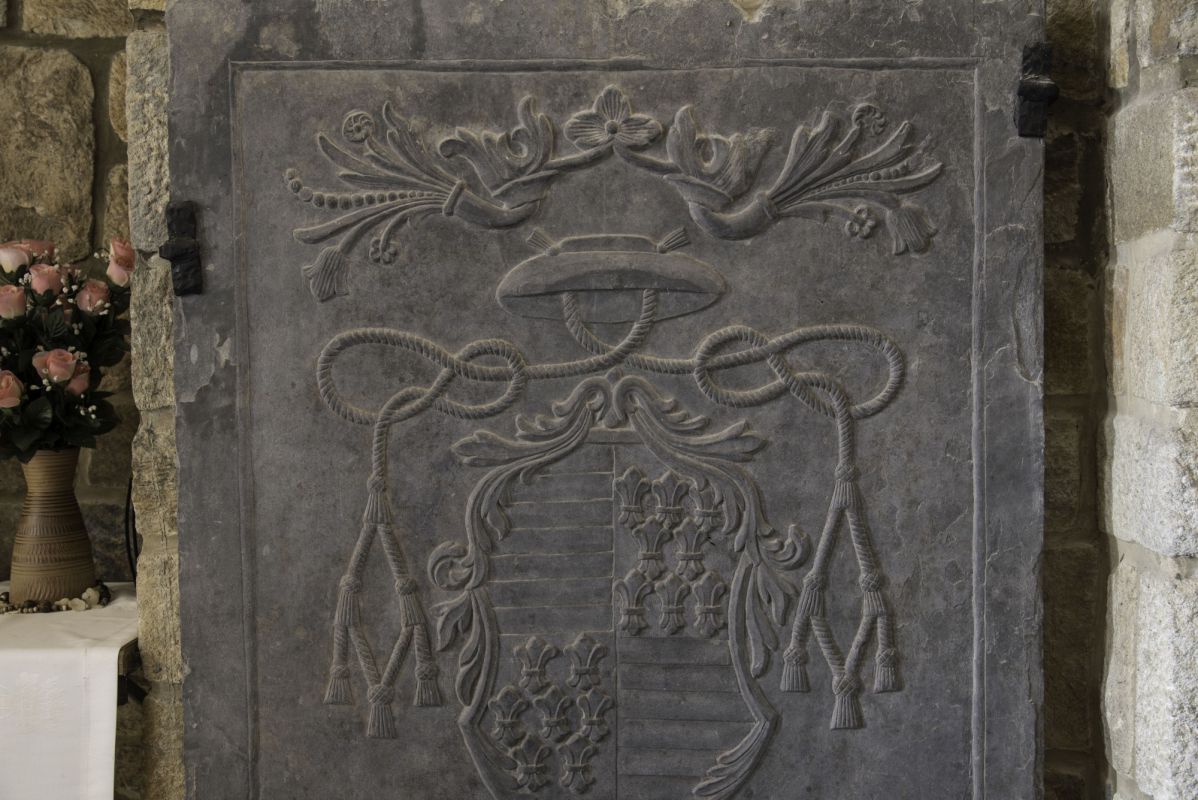
Headstones of the chapel
Two high-quality funeral slabs are visible in the chapel. They belong to two priests, Father François Gerkinet (died in 1758) and his successor at the church of Lierneux, the Reverend P.-F. Dupont (died in 1780). They are cut from slate blocks, common in the region.

Cross of the old cemetery
Outside the church, remarkable for its bulbous bell tower and its four little bell towers, there is also a collection of carved stone crosses (notably in Ottré stone, so smooth to the touch, typical of the region). The motifs that stand out are characteristic of the late 18th and 19th centuries: skull and bone, six-pointed star, candlesticks, stylized flowers...
Nearby


Circuit
The spirit of the surroundings around Lierneux
This itinerary for bike, motorcycle or car, gives pride of place to the region. It takes you through a gentle and rounded countryside. The paths invite you to wander around. But the landscape of meadows and forests that you will discover has not always been there!