Saint Martin
La chapelle
62270 Séricourt
Chapel | XVI | Classical | Catholic Church


Map
Opening hours
01 May - 31 October
Mon
Tue
Wed
Thu
Fri
Sat 10.00 - 17.00
Sun 10.00 - 17.00
Description
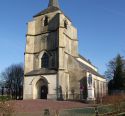
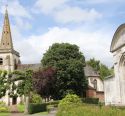
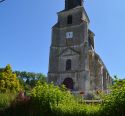
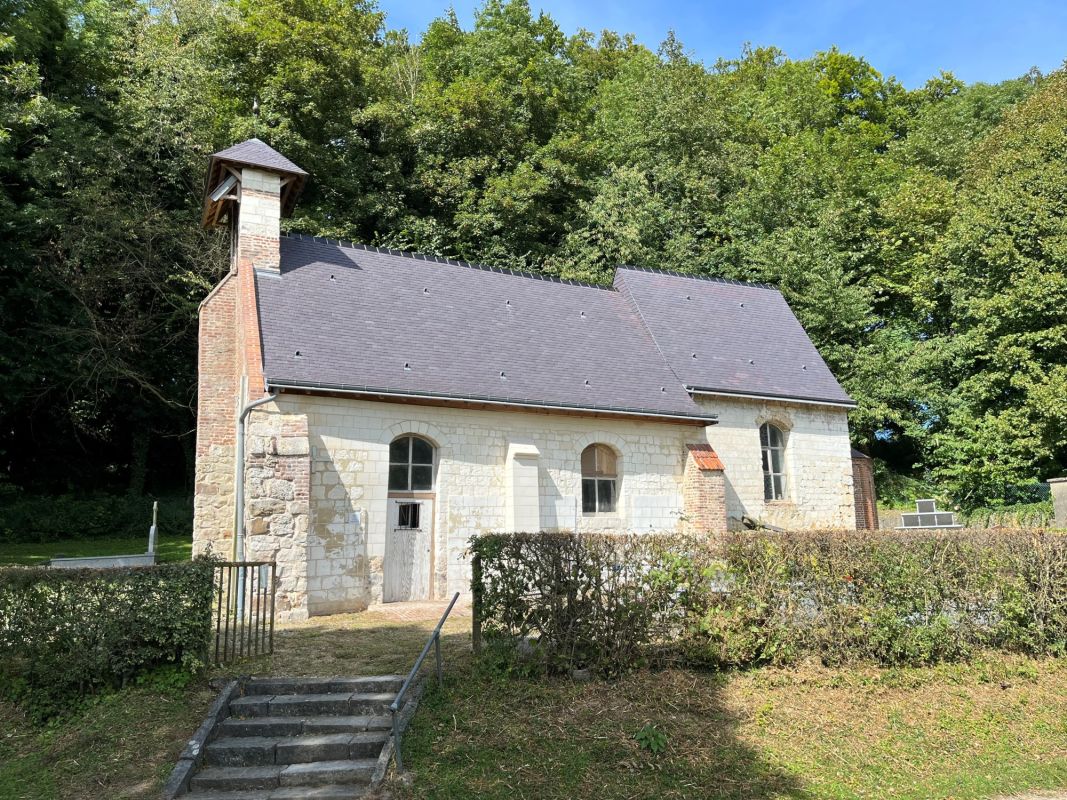
Just outside the village, nestled in lush greenery at the bottom of a small valley, the Chapel of Saint-Martin comes into view discreetly as you round a bend in the path.
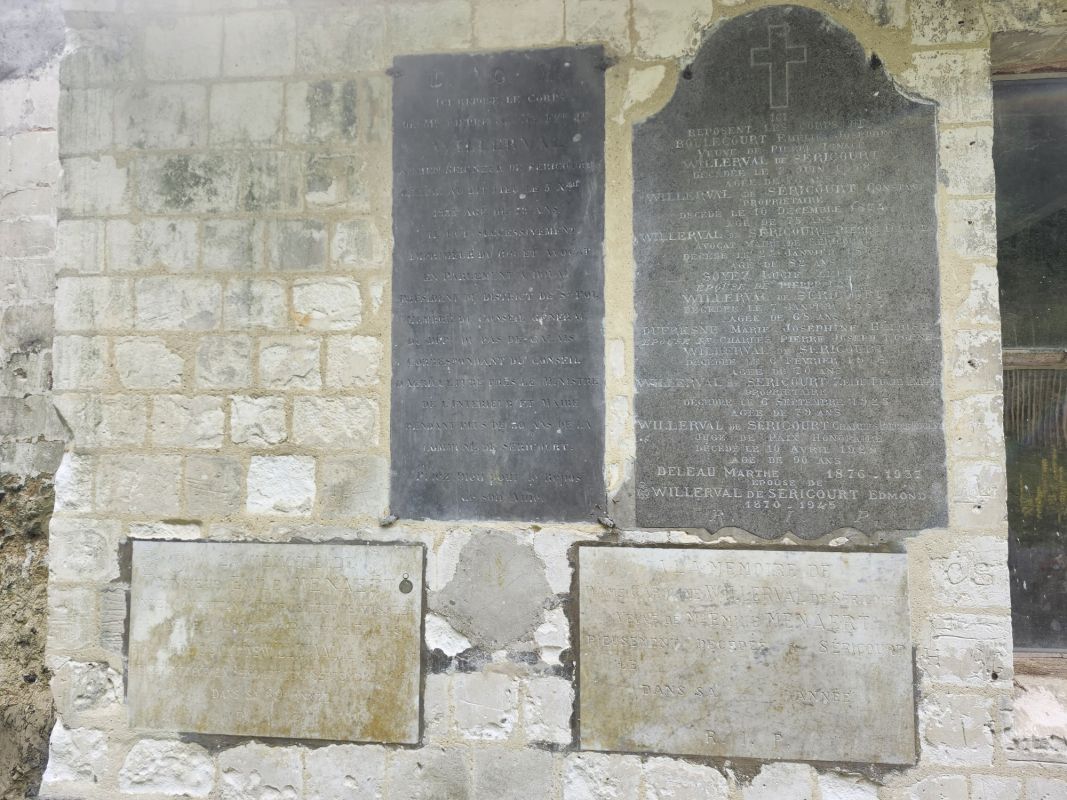
Formerly a seigneurial chapel, it is one of the oldest surviving rural chapels in Artois. Originally, Séricourt and Sibiville formed a single community, through which the Ayres stream flowed. The parish church was then located in Sibiville, and both places of worship were under the jurisdiction of the nearby Abbey of Cercamp. At the end of the 18th century, the two villages separated and the Chapel of Saint-Martin became the parish church of Séricourt, which explains its out-of-the-way location.
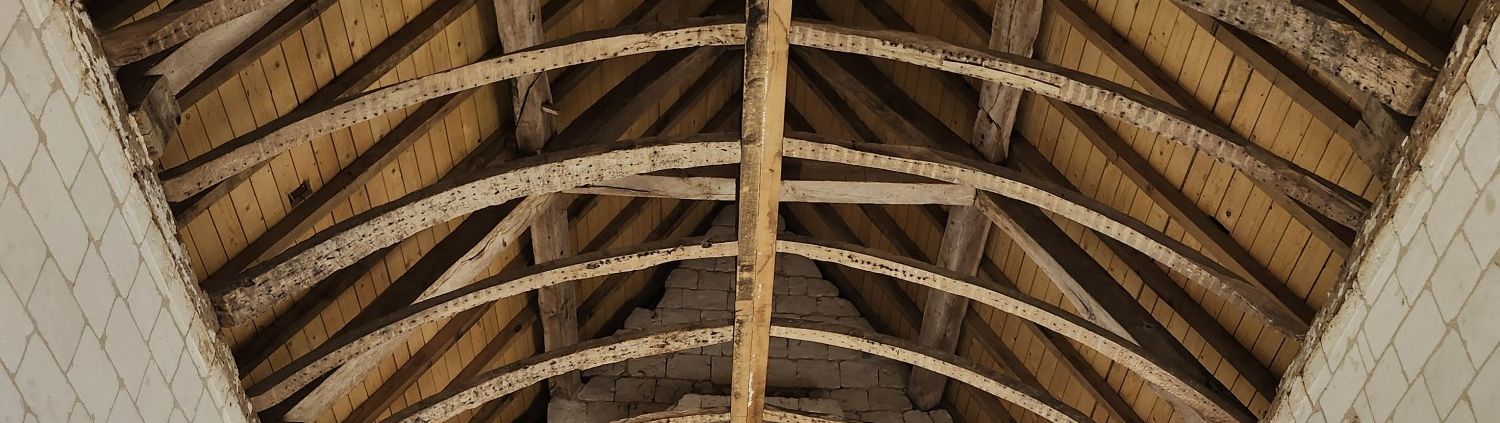
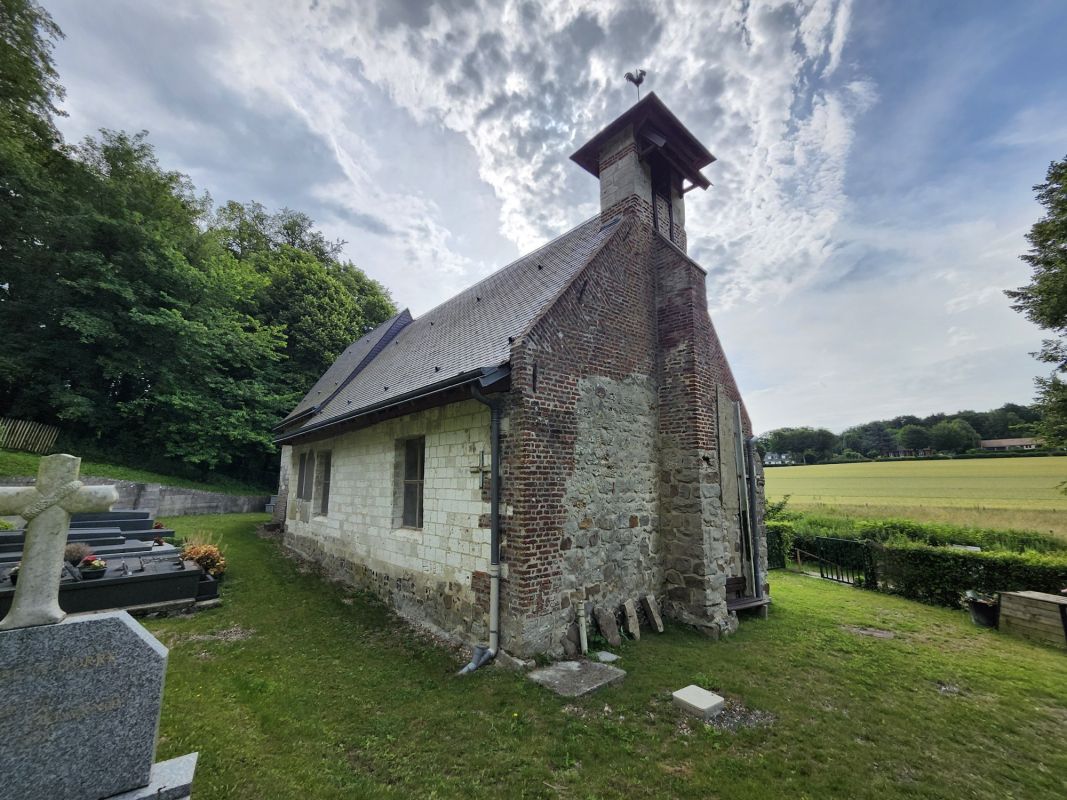
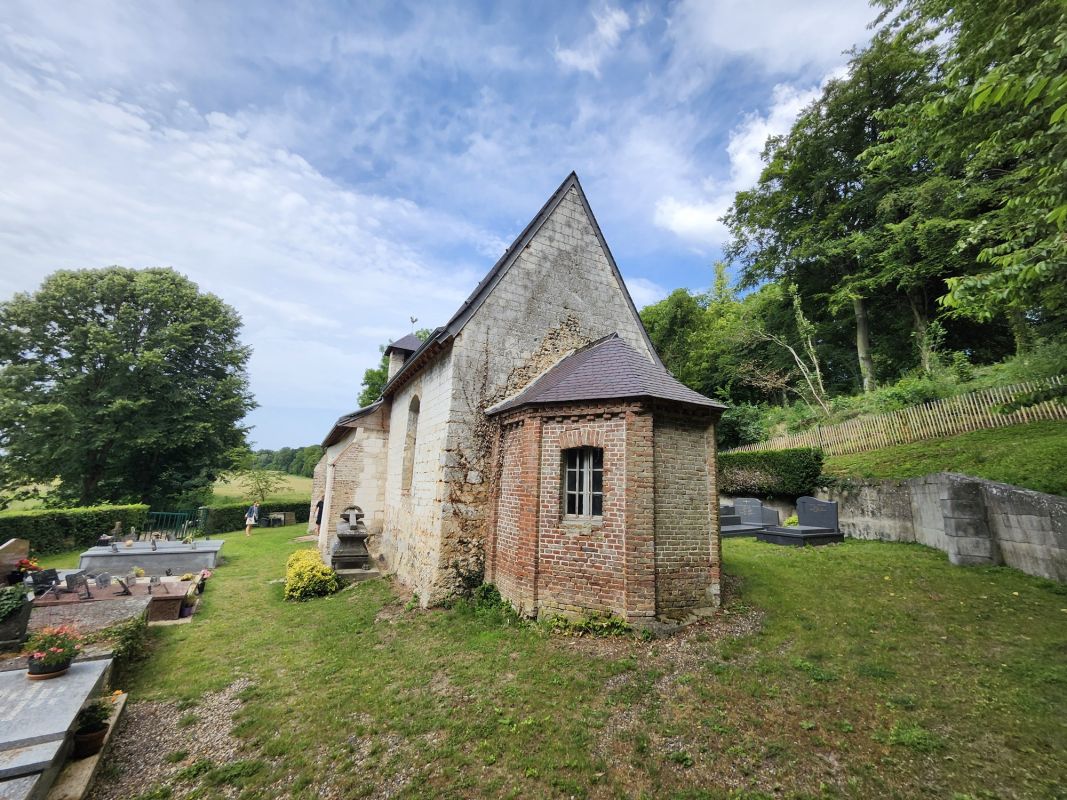
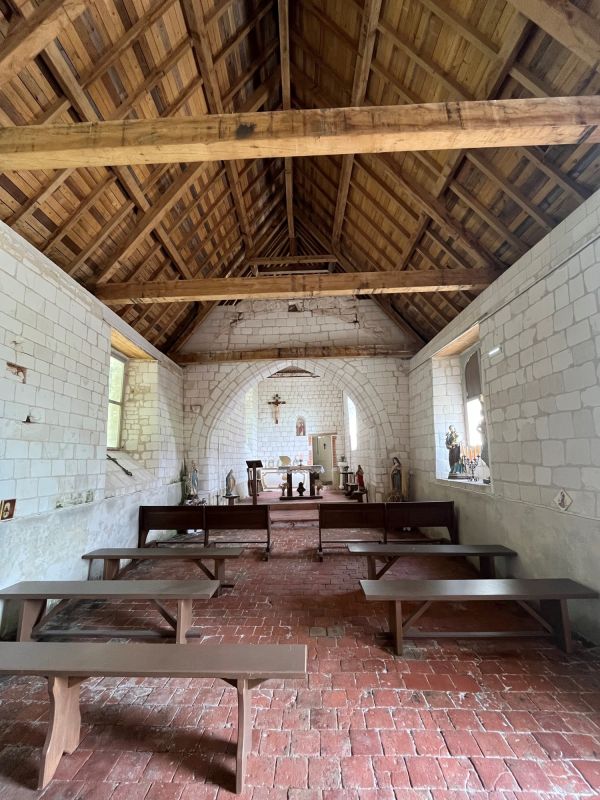
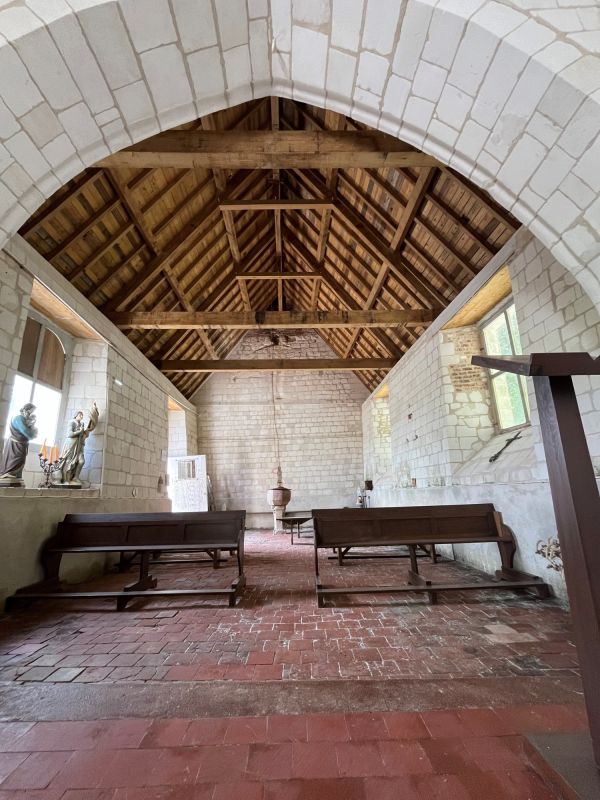
In the 16th century, an earlier chapel was burnt down by the troops of Charles V. The present building was then rebuilt using materials from the old sanctuary. With a simple layout, it consists of a single nave and a chancel, the oldest parts still standing today. The brick sacristy was added in the 19th century during a restoration carried out by the architect Carré d’Arras.
Spared from the destruction of the First World War, the village served as a base for soldiers on the Artois front. Restored thanks to the efforts of Séricourt’s 60 residents, the Saint-Martin Chapel now welcomes visitors and walkers in a setting steeped in tranquillity.

Photos
Remarkable elements
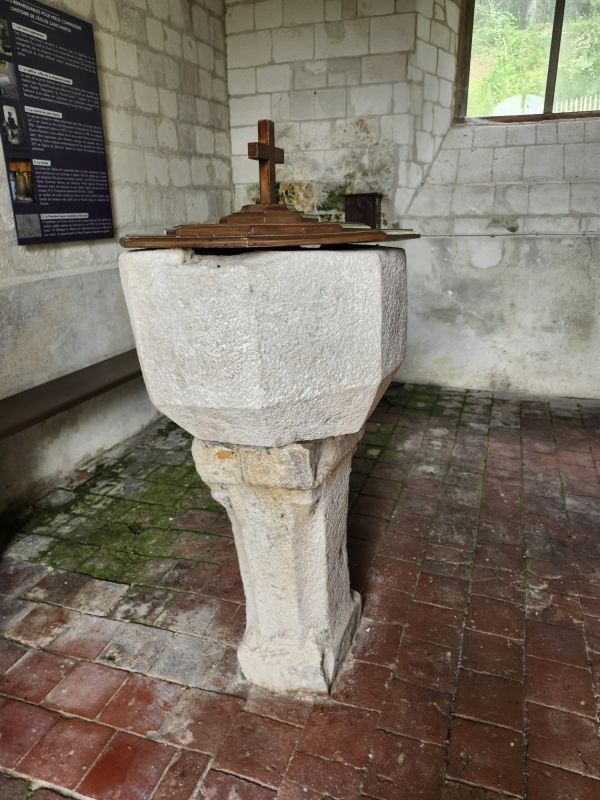
The baptismal font
This baptismal font was used to hold the water for baptism. It consists of a base and a basin, both made of sandstone. The basin is octagonal and bears neither ornamentation nor inscription. It rests on a pedestal of a different style, probably dating from the 15th or 16th century.
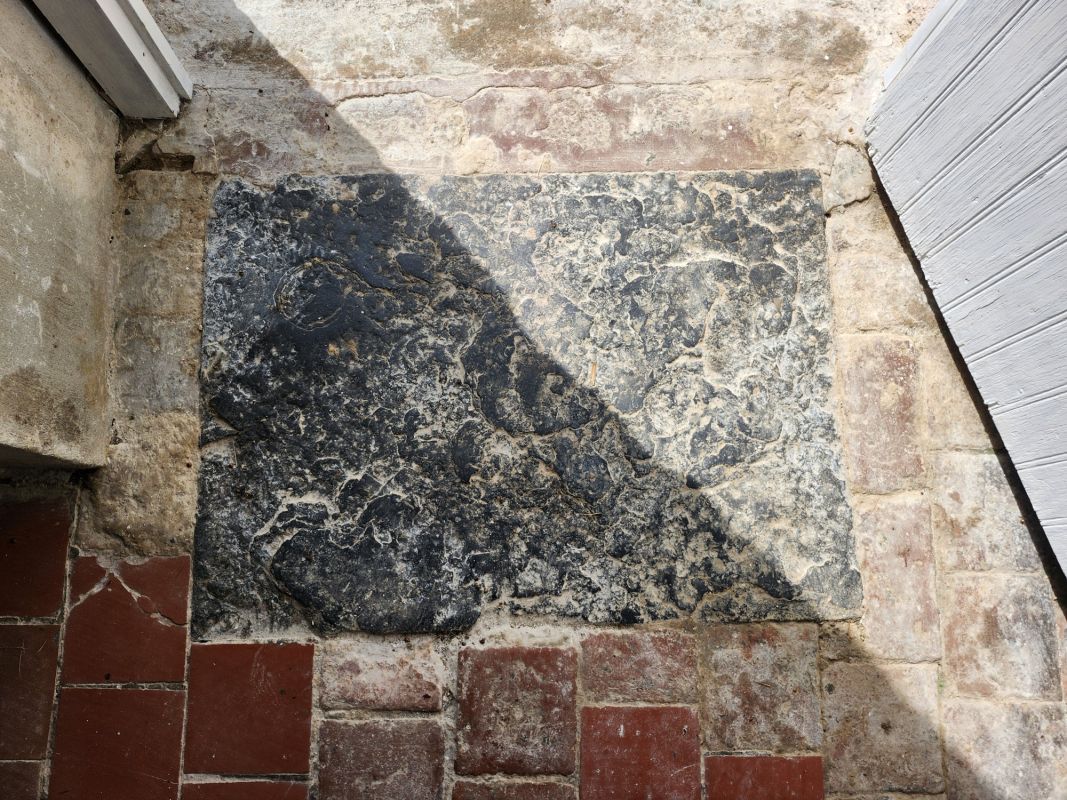
A building reflecting the local seigneury
De drempel van de toegangsdeur bestaat uit een kleine grafsteen van blauw marmer. Vandaag de dag zijn er geen aanwijzingen meer om deze te identificeren, maar volgens de epigrafie van Pas-de-Calais zou het gaan om de grafsteen van een dame uit Carbonnel. De familie Carbonnel, leenheren van Beaudricourt, bezat waarschijnlijk een van de bestaande leengoederen.
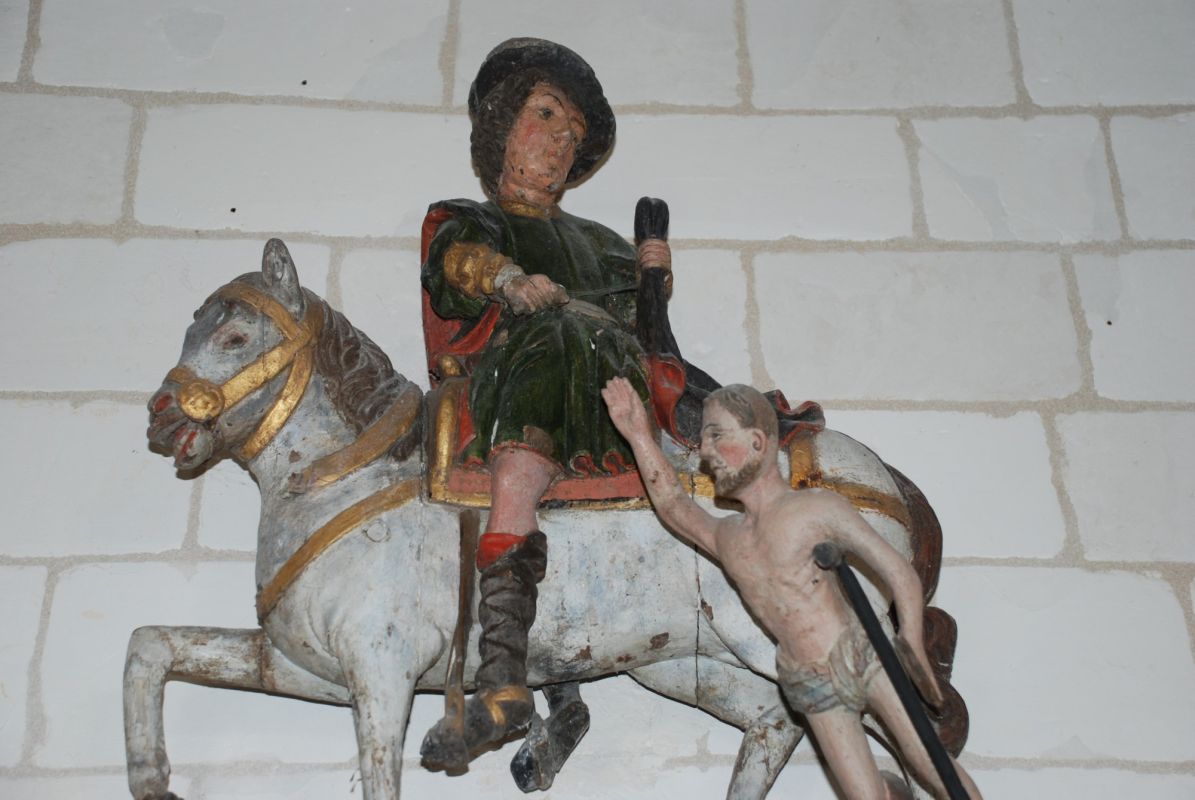
The Charity of Saint Martin
This polychrome oak sculpture was originally mounted on the south wall of the nave. It was listed as a Historic Monument on 20 December 1955. Having suffered slight damage in 1973, it was restored in 1981. The sculpture depicts the famous episode in the life of Saint Martin, the moment when the saint, then a legionnaire near Amiens, shared his cloak with a destitute man. This sculpture, emblematic of folk art, was stolen in 2011 from the church in Séricourt. Only the traces of where it was fixed to the wall remain.
The bell
The church bell hangs in a small bell tower, also known as a bell wall, which extends from the gable. It is sheltered by a small slate roof. It bears the following inscription:
The bell founder came from the Gorlier family, a family of bell founders who were very active in the Pas-de-Calais region and originally from Frévent.
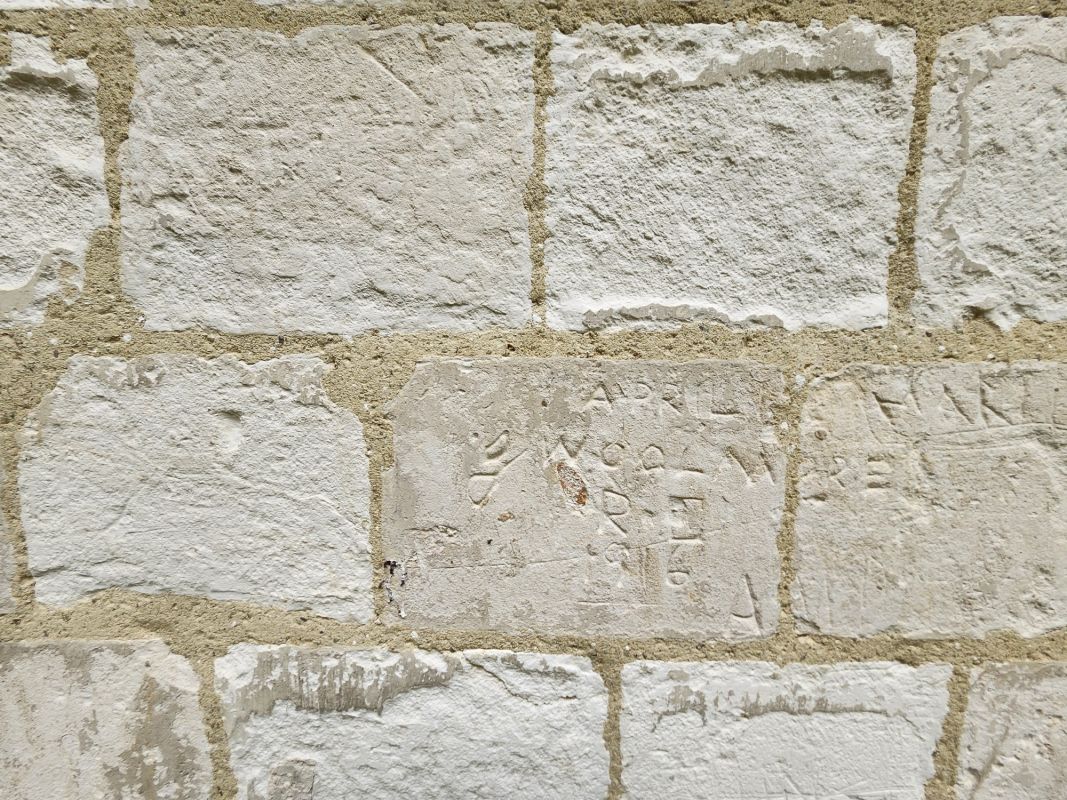
The First World War
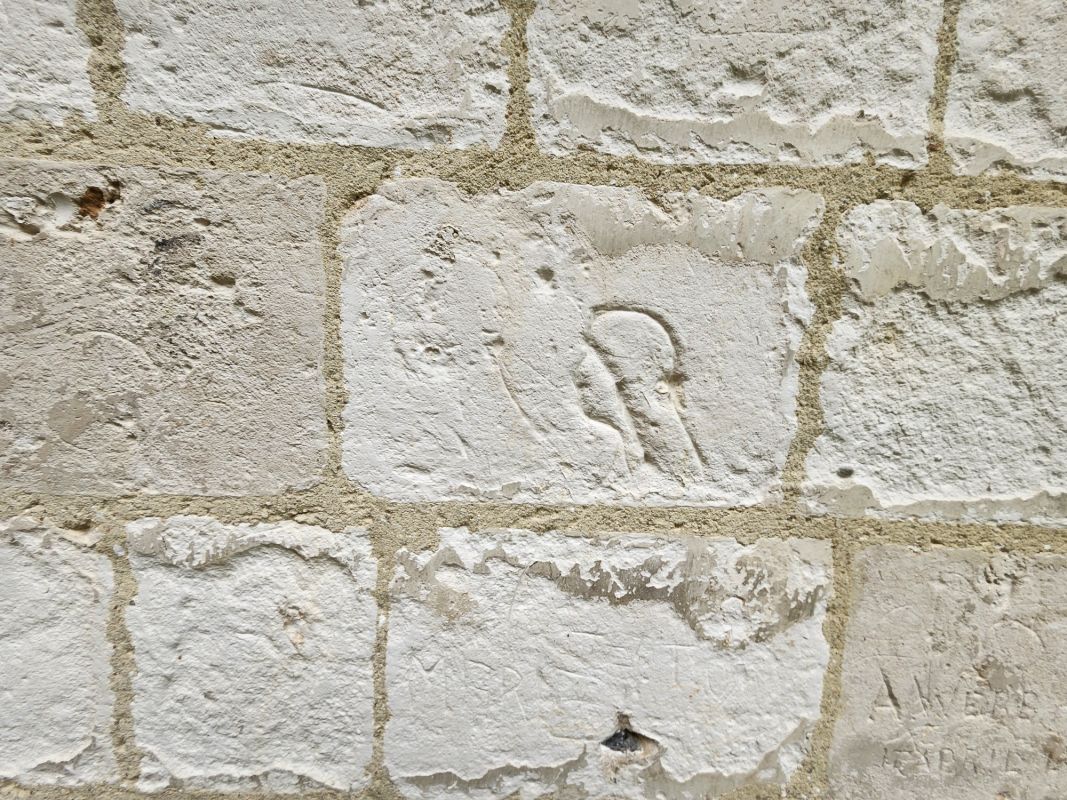
Outside, on the south wall of the nave, there are three graffiti inscriptions left by British soldiers who passed through Séricourt in April 1916. They left their names – W. Dallenger, A. Webb and G. Woolmore – along with a reference to their service: they belonged to the Royal Engineers.