Saint-François
9, rue de Longny - Centre hospitalier
61400 Mortagne-au-Perche
Chapel, Convent | 1515 | Renaissance | Catholic Church


Map
Opening hours
Guided tour
Religious offices
Description
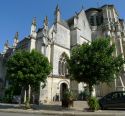
At the request of the Sisters of Saint Elizabeth of Hungary, whom she had welcomed in 1499 to the Hôtel-Dieu de Mortagne-au-Perche to care for the sick, Marguerite de Lorraine (1463-1521), Duchess of Alençon and Countess of Perche, undertook the construction of a convent in 1505 where they could care for the poor and live in seclusion.
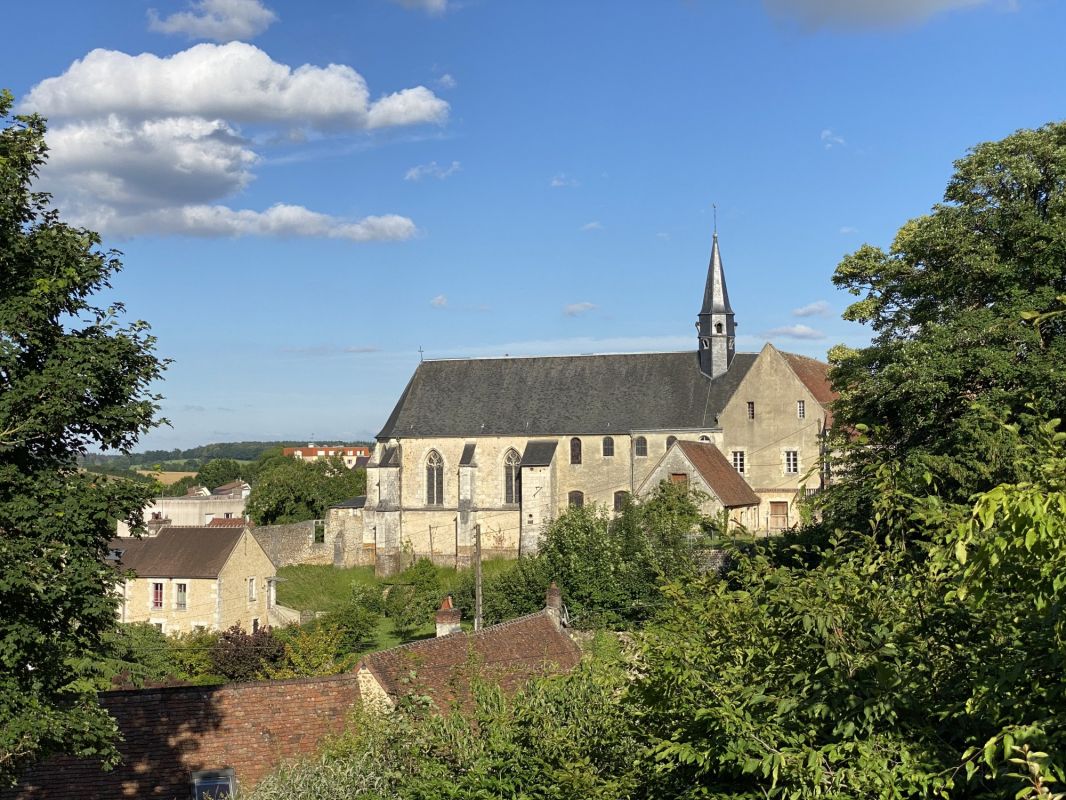
She purchased a field called ‘La Saingle’ or ‘Les Javelots’ on the outskirts of the town, where the sinister gallows erected for the execution of criminals stood. In 1506, the sisters moved into the buildings to follow the rules of the Order of St. Clare. In 1515, the chapel adjoining the cloister was consecrated under the patronage of Saint Francis.
The sisters' charitable work ceased during the Revolution when the convent became national property. However, in 1800, as the buildings had not suffered any major damage, they were converted into a hospital.
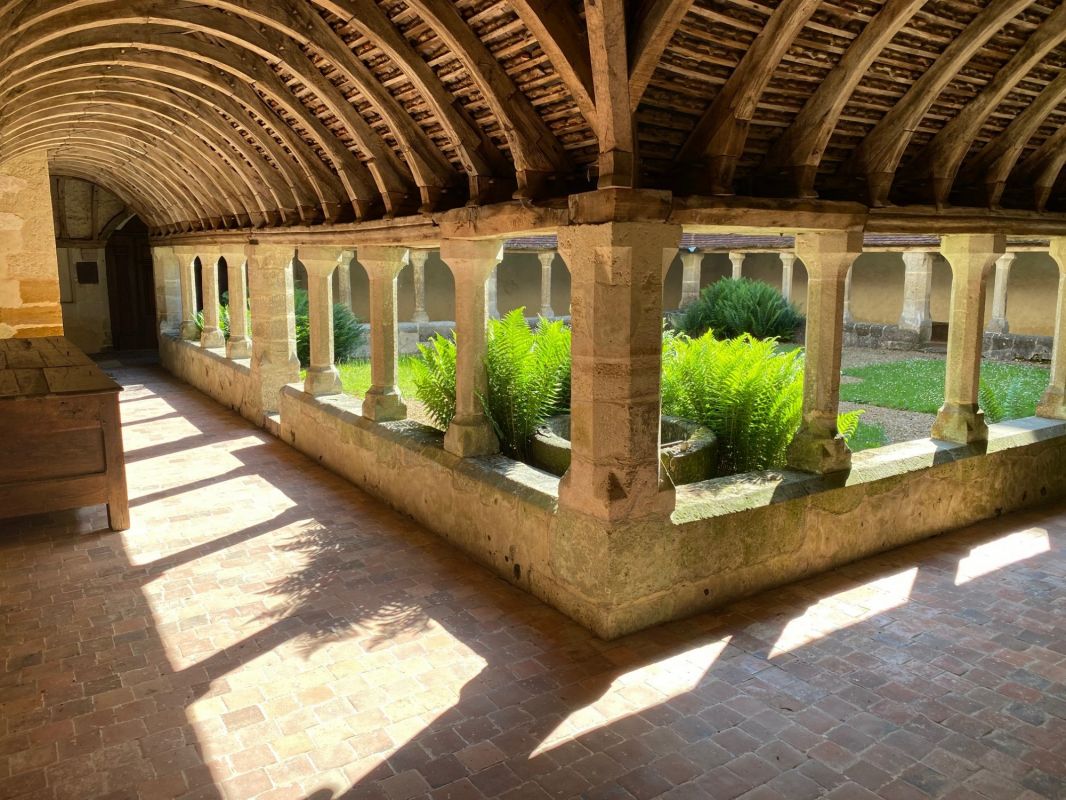
Today, this hospital-hospice is of great architectural and pictorial interest: the chapel and cloister have not undergone any major changes since the 16th century, and the alterations made in the 17th century have not altered the sober appearance of the buildings.
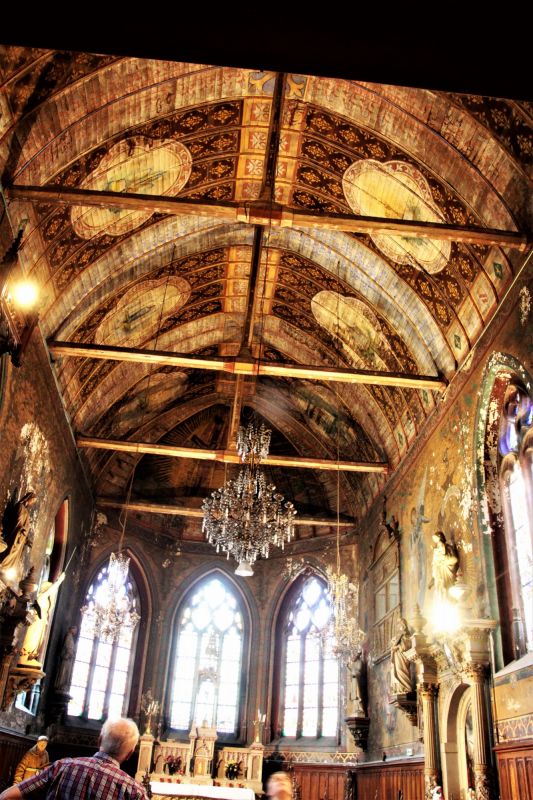
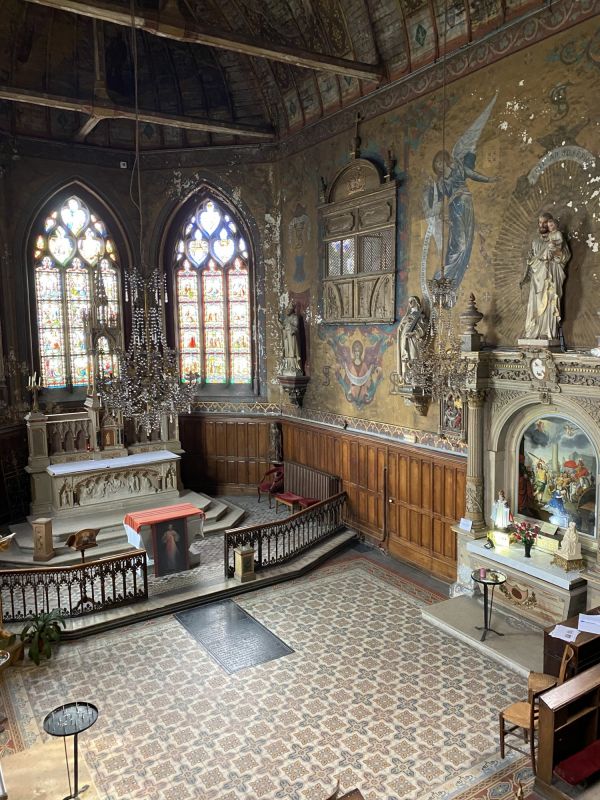
In addition, thanks to generous donors, the interior of the chapel, which had been stripped during the Revolution, was restored and enriched with painted decorations during the following century.
The cloister has been listed as a Historic Monument since 22 June 1920. The chapel was listed as a Historic Monument on 11 June 1986.


Photos


Remarkable elements
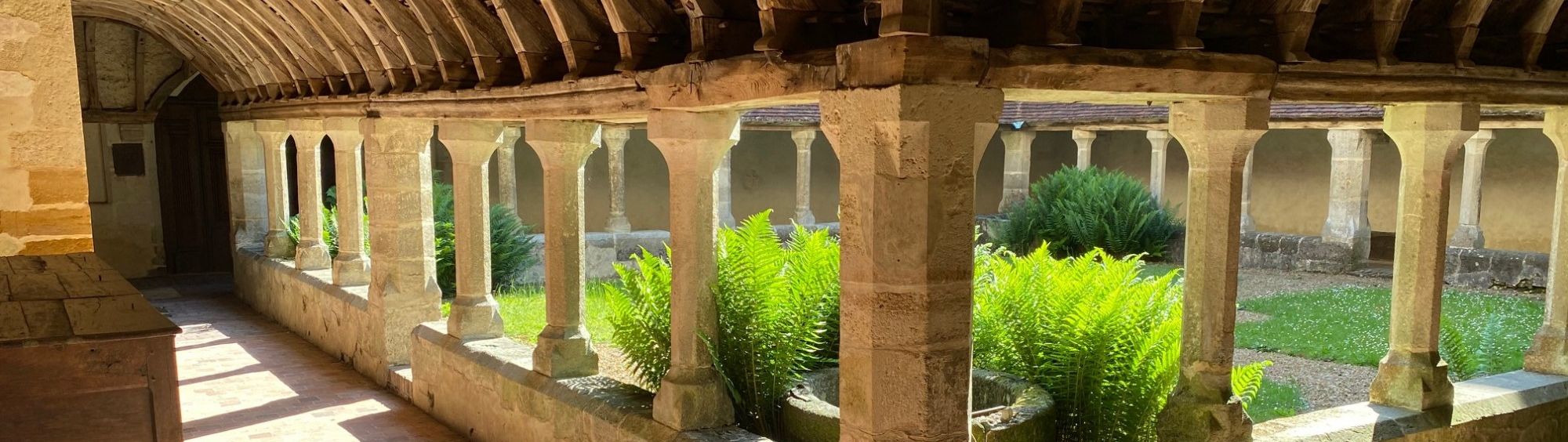
The cloister
Its exposed arched framework and the simplicity of the pillars supporting the roof contribute to maintaining an atmosphere of peace conducive to contemplation. The tombstones scattered around the cloister come from the nuns' cemetery, located to the north of the chapel.
An imposing grain chest, originally equipped with an ingenious system for lifting the lid, which once contained the hospice's most precious possession, is on display for all to see...
Paintings by Pierre-Honoré Chadaigne
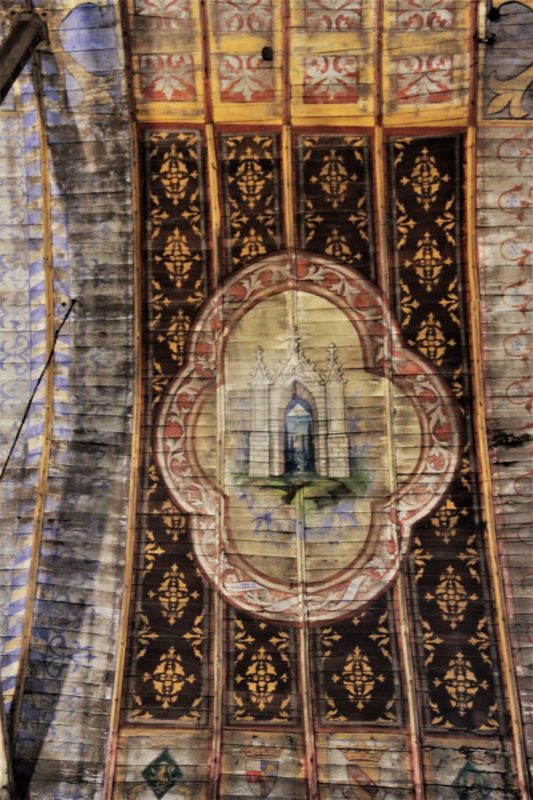
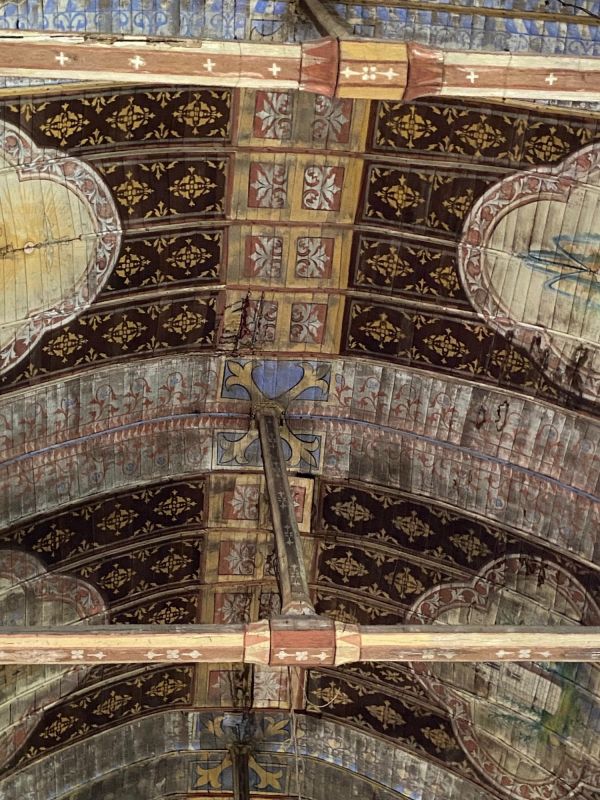
Inside the chapel, the panelled broken barrel vault painted by Rophoël Chodoigne (a painter from the Orne region active in the late 19th century) is one of the most famous examples of its kind in the Orne, and is of great interest for its symbolic iconography.
In the frieze at the base of the vault, the artist created a sort of armorial, depicting the coats of arms of the great 16th-century families of the Perche region. The paintings on the walls, meanwhile, are attributed to François Lafon (1846–1920).
Hagioscope
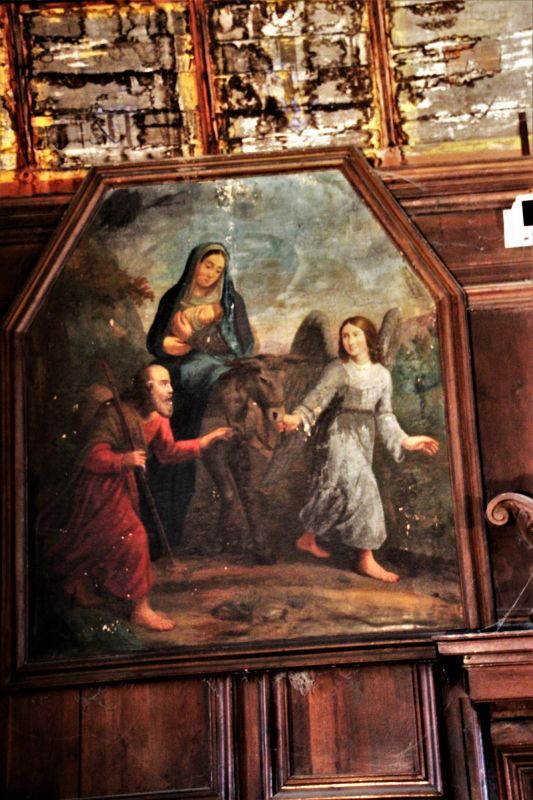
We are left with a substantial gallery with its panelling (17th century) as well as an exceptional hagioscope, fitted out for Marguerite de Lorraine and bearing her coat of arms, so that she might hear Mass surrounded by her most frail patients from the convent’s only heated room, situated behind this grille.
Reliquary of the heart of René d’Alençon
On the floor, in the chancel, alongside the slate tombstone of Pierre de Catinat (father of the Marshal of France), one can see, on the right, a reliquary containing the heart of René d’Alençon, husband of Marguerite de Lorraine.
The stained-glass windows
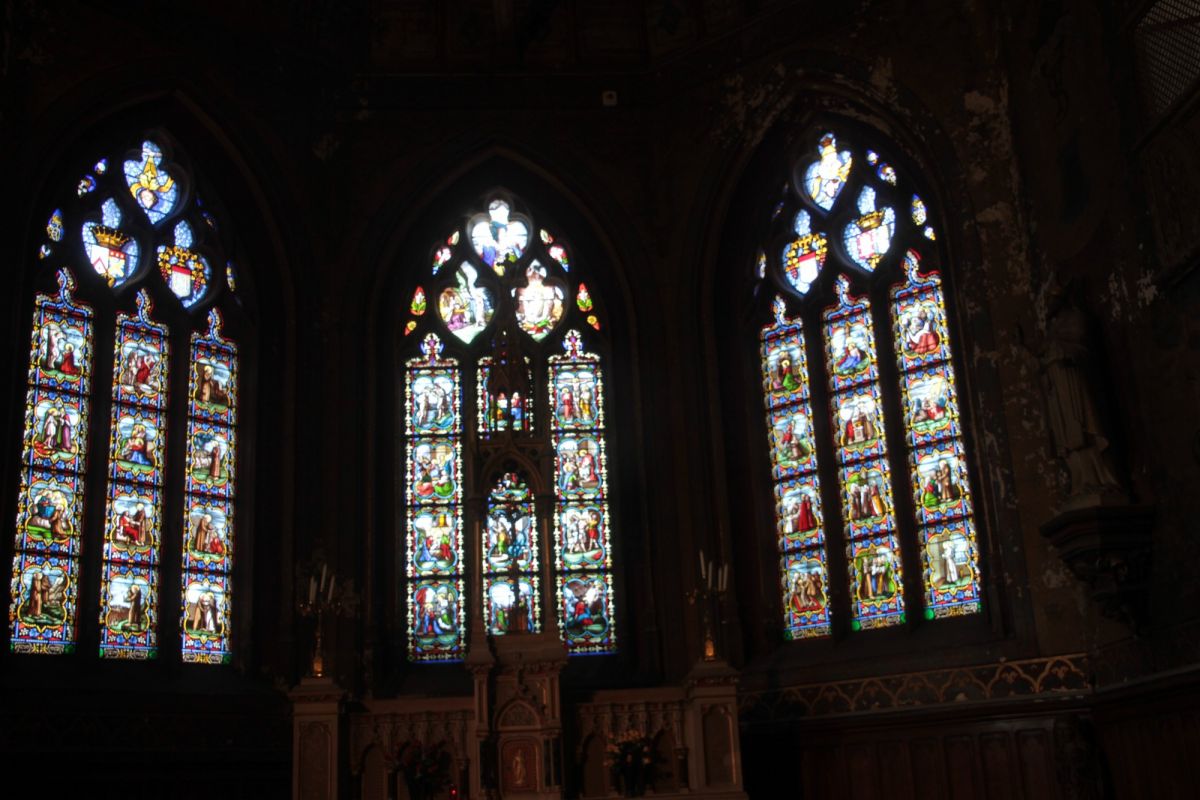
Finally, one should admire the stained-glass windows, which depict several episodes from the lives of Saint Francis and Saint Clare, as well as the martyrdom of a Poor Clare from this monastery, Sister Marguerite Petit.