

Saint Folcwin
Rue Saint-Lambert
62500 Cormette (Zudausques)
Church | XVI | Gothic | Catholic Church


Map
Opening hours
Closed temporarily until 31/12/2026
Religious offices
once a month
Description
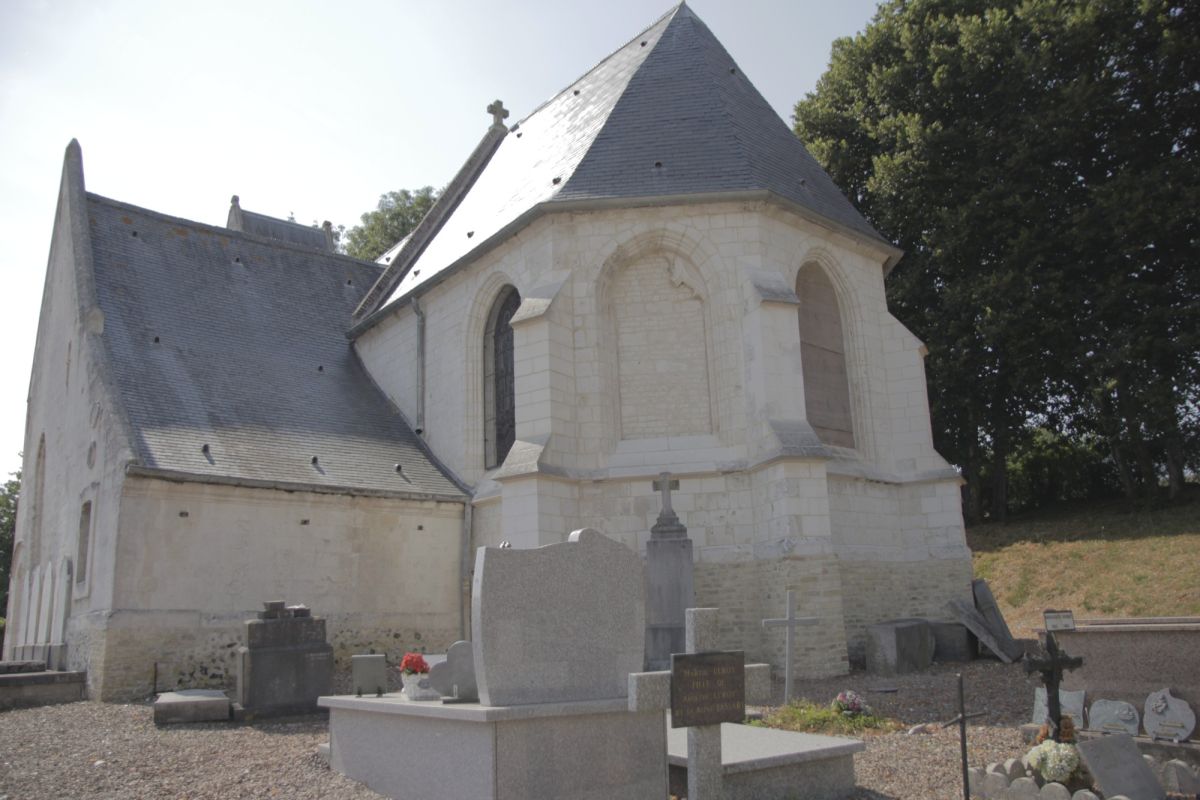
Cormettes is a hamlet that was joined to Zudausques in the 19th century. It has a church attested in the 14th century, which was entirely rebuilt in the 16th century.
Several elements make it a building of great interest, classified in 1934.
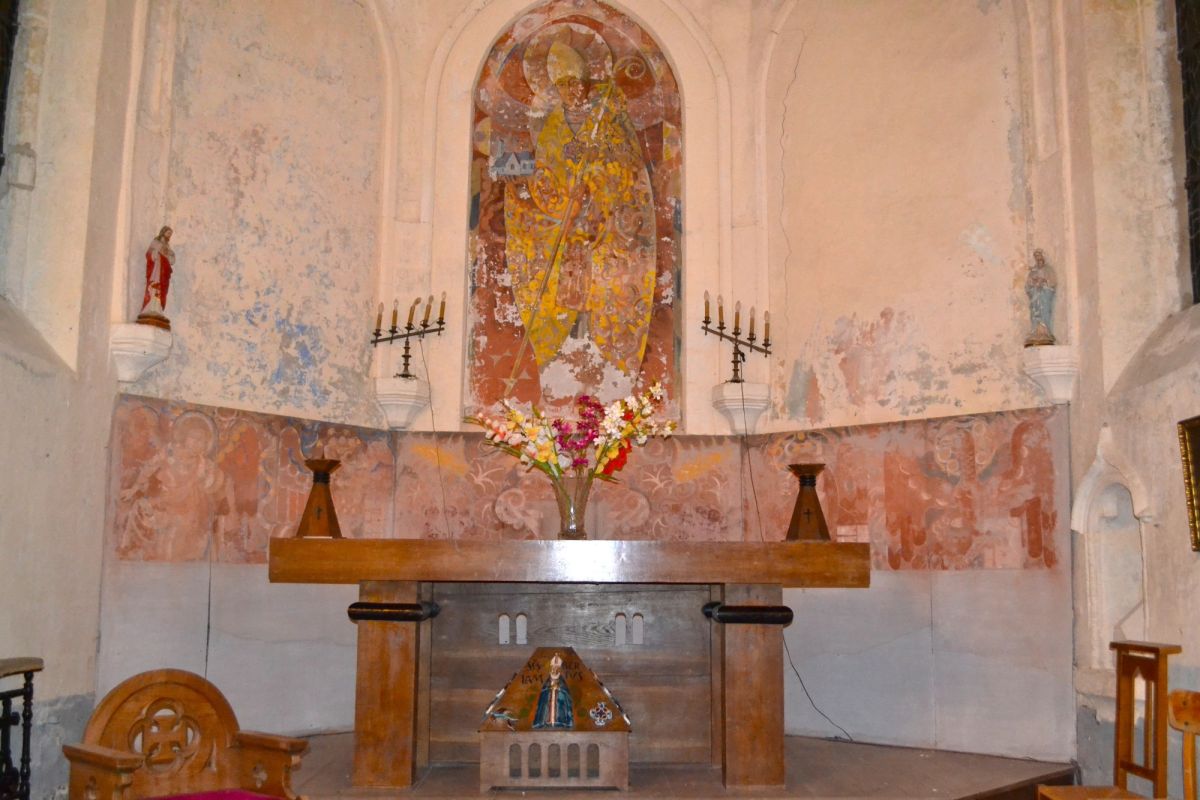
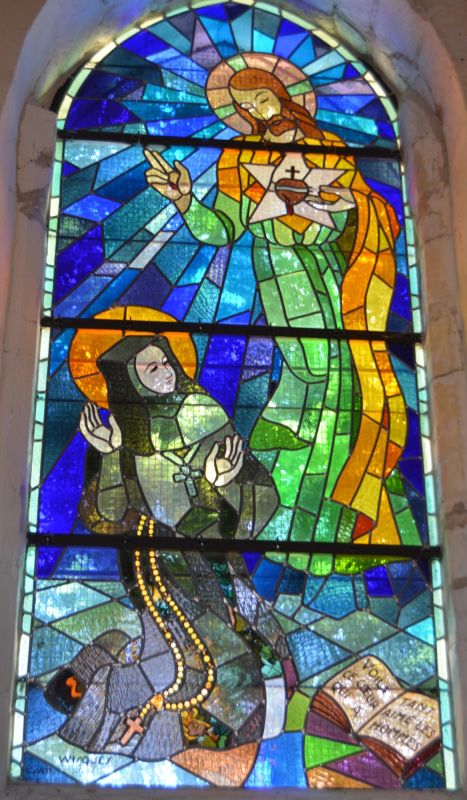
Among its architectural curiosities can be noted the rose-window over the porch, and above all the rare wall-belfry with an arcade, called a ‘campenard’, and built in the first years of the 17th century. The rounded arch vaults of the nave are separated from the side aisles by broken arch vaults supported by columns having facet-decorated capitals. Paintings of various periods, a contemporary wall-painting, sculptures and old tomb stones contribute to the interest of the interior.
Dedicated to Saint Folquin, bishop of Therouanne in the 9th century, it is the pilgrimage to Saint Lambert, bishop of Maastricht, which has drawn the faithful since the 15th century. This probably explains the church plan, nearer to that of a town church than to that of a country church.


Photos



Remarkable elements

Campenard bell tower
The church's distinctive feature is its bell tower, known as a ‘campenard’. It is the only one remaining in the region, along with the one in Nielles-les-Thérouanne. Above the door and overlooking the nave, a very simple rose window without stained glass is carved into the stone itself. Campenard is the Picard name for a bell tower wall.
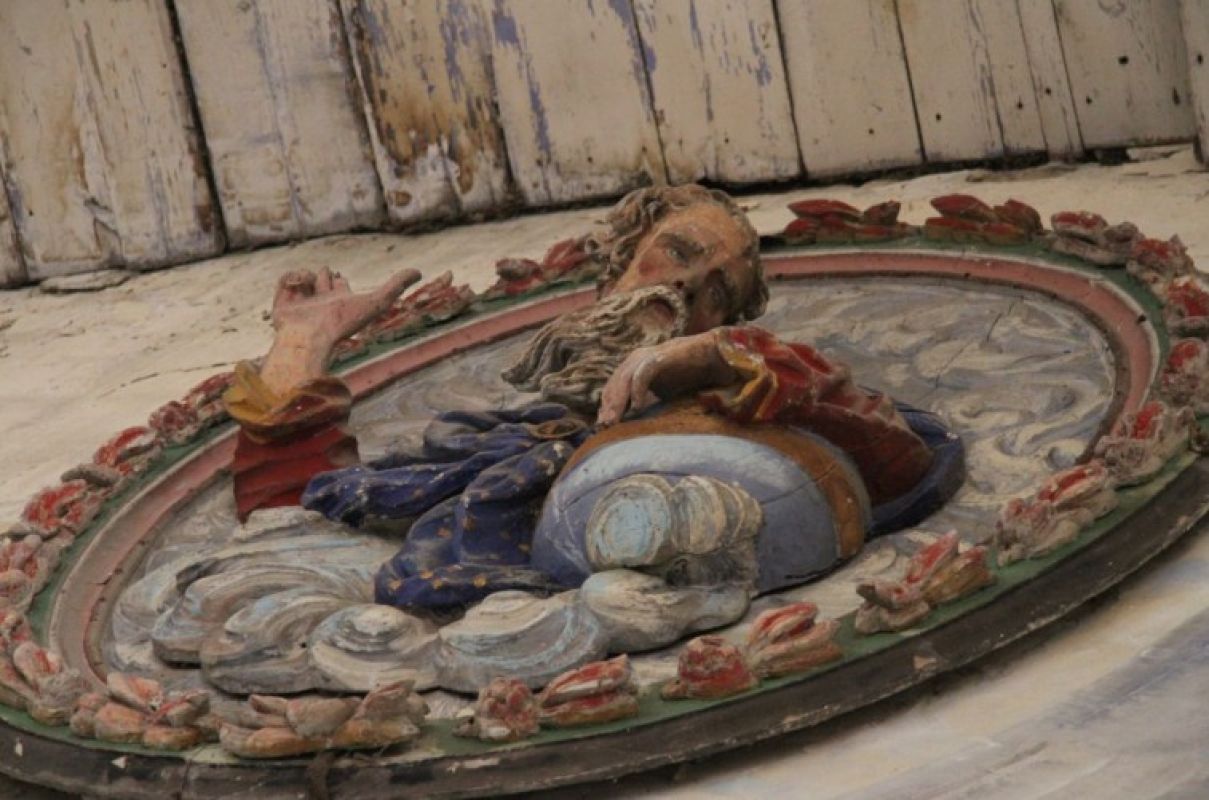
God the Father
Above the triumphal arch is a medallion representing God the Father, a 17th-century polychrome wood high relief. Although in the shadow of the vault, this painting remains clearly visible.

Graffiti
Graffiti representing a fishing boat, carved into the stone with a knife, can be seen on the south side of the left buttress. It is dated 1747 and is listed in the inventory. Other graffiti can be seen on the exterior walls. This practice was common in places of pilgrimage, with pilgrims leaving a trace of their visit by carving their initials and a date, usually just the year.

Altarpieces
On either side of the nave, the pediments of the side altars, carved and painted in wood, date from the second half of the 17th century.
They frame the paintings by Brother François Mes.
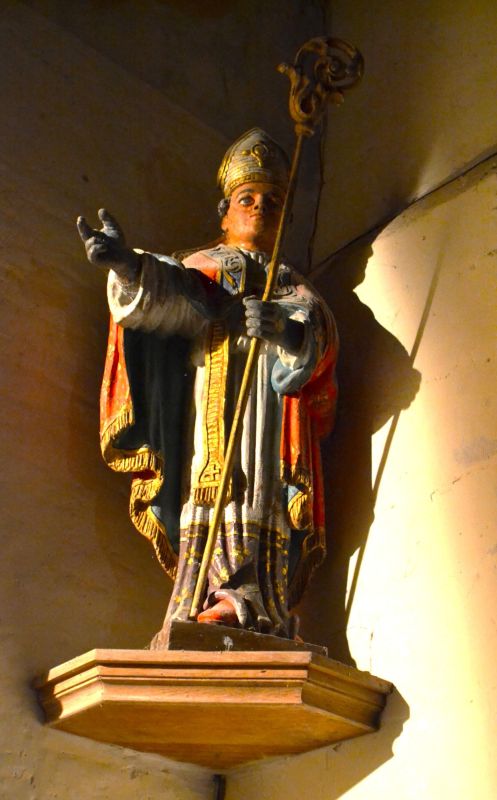
Statue of Saint Lambert, Bishop of Maastricht
On a stele against the pillar to the right of the choir, there is a 16th or 17th-century wooden statue of Saint Lambert, polychromed in the 19th century. It serves as a reminder that this saint, who is still well known in Liège, is venerated here. The parish holds a relic believed to be one of the saint's arms.
Floor slabs
In the central aisle, opposite the choir, there are two floor slabs:
one for Thomas Decroix (died 6 September 1727) and his family, made of white marble with a Tournai stone frame, dating from the 18th century.
Louis Decroix, bailiff of Cormette (+ 18/03/1737), white marble with Stinkall stone frame, dated 18th century.
Nearby


Circuit
Brother François MES
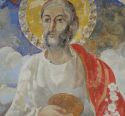
Discover the works of the monk-artist François MES! Walk around 3 churches that benefited from his talents after the Second World War.